Dhaka is moving to sign the Bangladesh-United States trade agreement on February 9, days before national elections. Almost nothing is known publicly about what the deal contains. The timing, more than the text, has set off debate.
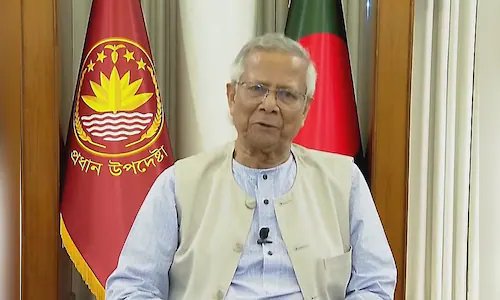
The push comes from the interim administration led by Muhammad Yunus. Critics say committing to a long-term trade framework now raises questions about mandate and oversight.
Reports that the administration signed a non-disclosure agreement with Washington last year have added to the concern. If accurate, it means negotiation details cannot be publicly discussed. No draft has been released. No parliamentary review has taken place.
Commerce Secretary Mahbubur Rahman has confirmed the February 9 signing date, as per News18.
Bangladesh-US trade deal timing under scrutiny
The schedule is central to the dispute. Major policy moves are usually left to incoming governments, especially those tied to tariffs and market access.
Economist Anu Muhammad questioned the urgency in a public post, asking why decisions involving ports, defence purchases and US trade ties were all being advanced days before voting. He called the process “non-transparent” and “irregular,” as per News18.
Read more: Exclusive: India-US trade deal leaves out wheat, rice, soya, dairy, say top govt sources
Other policy analysts warn the next government could inherit obligations it had no role in shaping.
Debapriya Bhattacharya of the Centre for Policy Dialogue said signing after elections would have allowed political debate. Taskeen Ahmed, president of the Dhaka Chamber of Commerce and Industry, said businesses cannot judge risks without knowing the conditions attached, as per News18.
Exporters and garment sectors voice their concerns
Business groups are watching closely. The United States is Bangladesh’s biggest apparel market, with annual textile and garment exports estimated between $7 billion and $8.4 billion, according to Textile Today. The sector employs roughly four to five million workers, many of them women.
Exporters say they have not been consulted. Inamul Haque Khan, senior vice president of the Bangladesh Garment Manufacturers and Exporters Association, said the lack of clarity is troubling. There had been industry expectations of tariff relief, possibly down to 15%, but no terms have been confirmed.
Bangladesh currently faces higher US tariff rates than some regional competitors. Without details, firms cannot assess whether the agreement improves or weakens their position.
Read more: US, Russia close in on deal to continue New START nuclear arms treaty: Report