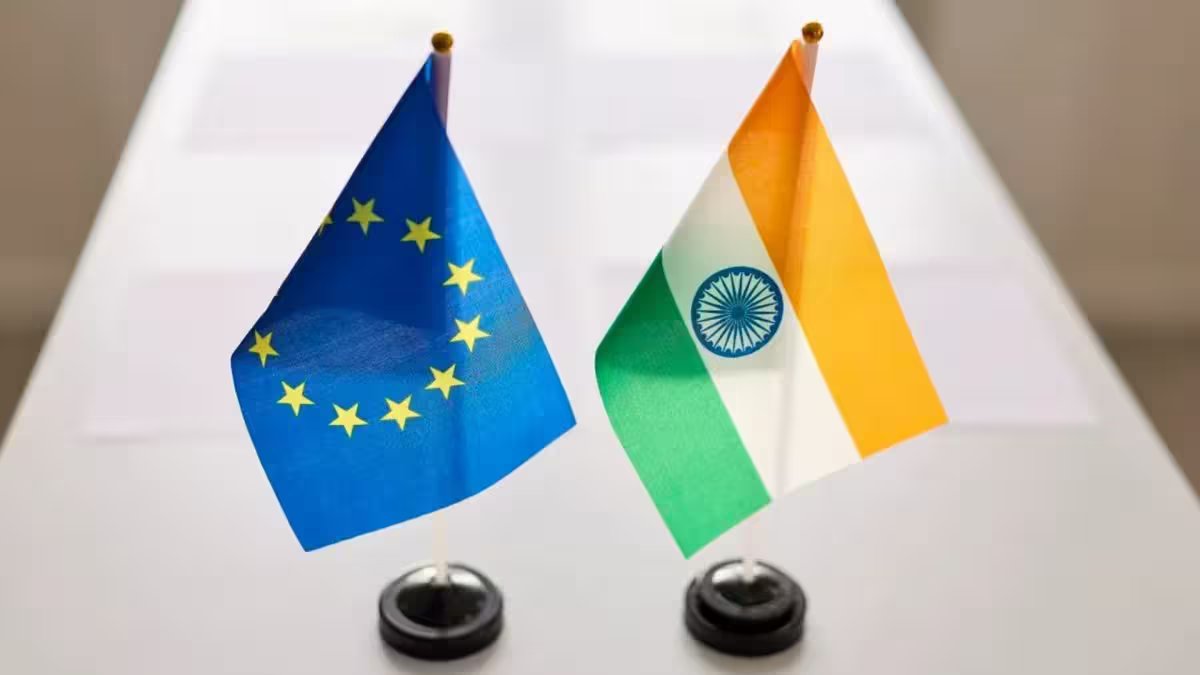
Agri-food market access expands even as sensitive farm sectors remain protected under India-EU FTA
The EU–India Free Trade Agreement (FTA) is expected to significantly reduce tariffs on agri-food products, opening up India’s vast consumer market to European farmers while protecting sensitive agricultural sectors within the European Union. This means that wines, olive oil, bread, and bakery items are set to become cheaper going forward.
Under the agreement, India will remove or sharply reduce tariffs that are currently often prohibitive, averaging over 36 per cent on EU agri-food exports. Indian duties on wine will be cut from 150 per cent to 75 per cent immediately upon the agreement’s entry into force and gradually lowered further to levels as low as 20 per cent. Tariffs on olive oil will be reduced from 45 per cent to zero over a five-year period.
“Thanks to this historic trade agreement, the markets of nearly 2 billion people are joined together. Our agri-food exports to India have so far been held back by extremely high tariffs. Under this agreement, European wines, spirits, beers, olive oil, confectionary, and other products will enjoy preferential access to the rapidly growing Indian market,” Commissioner for Agriculture and Food Christophe Hansen said.
Processed agricultural products such as bread, bakery items, and confectionery are also set to benefit, with tariffs of up to 50 per cent to be eliminated, creating fresh export opportunities for European food manufacturers and brands.
At the same time, the agreement fully protects sensitive European agricultural sectors. Products such as beef, chicken meat, rice, and sugar have been excluded from liberalisation, ensuring that domestic EU producers are shielded from competitive pressures. The European Union has also made it clear that all agri-food imports from India will continue to be subject to its strict health, sanitary, and food safety standards.
In parallel, the EU and India are negotiating a separate Geographical Indications (GI) Agreement, aimed at helping iconic European agricultural products gain a stronger foothold in the Indian market. The GI pact is expected to curb unfair competition from imitations and enhance protection for traditional EU farm products.
According to Hansen, front and centre to these negotiations was maximizing new opportunities for our unmatched European products while protecting European farmers. That is why the tariffs on the most sensitive products, such as beef, sugar, ethanol, rice, and poultry, will remain in place.
The renewed focus on agri-food trade comes as broader EU–India trade negotiations gather pace after years of delays. The two sides first launched talks for a free trade agreement in 2007, but negotiations were suspended in 2013 amid differences over market access and regulatory issues.
Talks were formally relaunched in 2022 as both sides sought to deepen economic ties in the backdrop of global supply chain realignments and rising geopolitical uncertainty.
Since the relaunch, negotiations have progressed through multiple rounds, with the 14th and most recent formal negotiating round held in October 2025. This was followed by intersessional discussions at both technical and political levels, signalling continued engagement and intent to move the process forward.
Alongside the FTA, negotiations are also underway on an Investment Protection Agreement, aimed at providing greater certainty and safeguards for investors on both sides. Both the GI and investment agreements remain under discussion.
End of Article