World attention is once again focused on the war in Ukraine as leaders from major allied nations prepare for a new round of discussions aimed at reassessing their strategies and support. Ukrainian President Volodymyr Zelenskyy and former United States President Donald Trump both made remarks that have drawn global interest, signalling renewed diplomatic movement in an increasingly complex conflict.
Expectations are mounting ahead of a key video conference scheduled for today, involving several members of the “coalition of the willing”, a group of nations committed to providing political, military and humanitarian support to Ukraine in its fight against Russian aggression. Behind these coordinated efforts lies growing unease about the stalemate gripping the battlefield and the sustained economic burden on participating powers.
Renewed signals from Kyiv
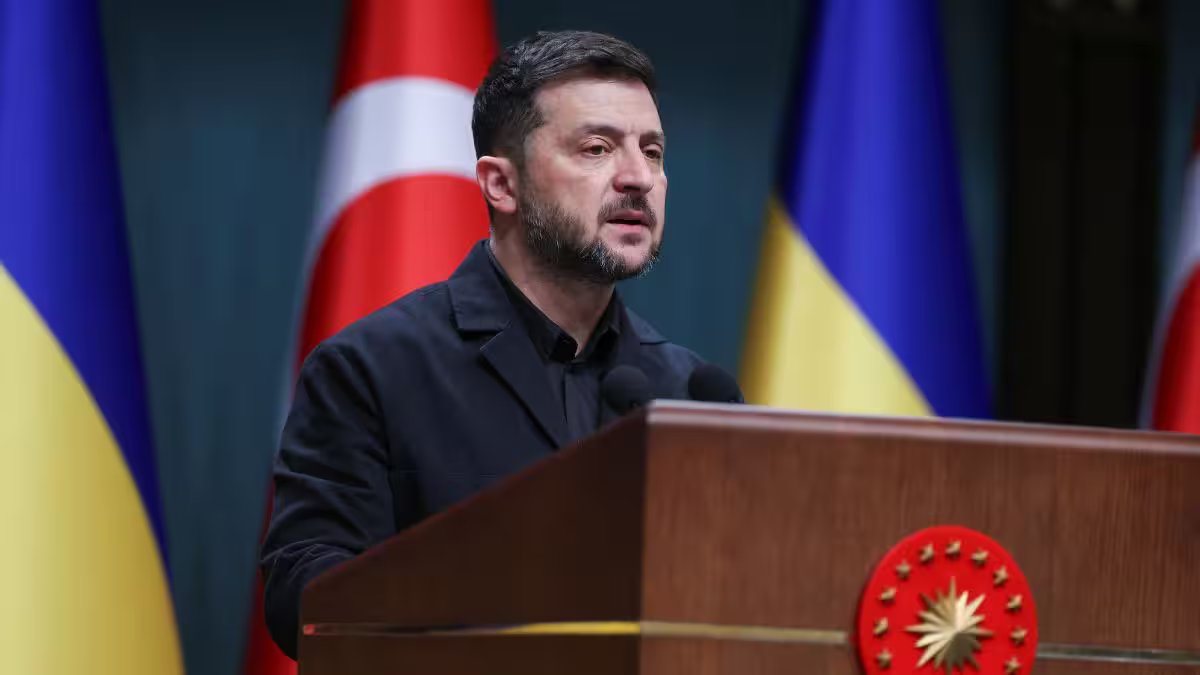
Ukrainian President Volodymyr Zelenskyy offered a cryptic message earlier this week, suggesting that important developments could be imminent. In a brief statement shared on the social media platform X, he wrote, “This week may bring news for all of us.” Though Zelenskyy did not elaborate further, his remarks have been interpreted by analysts as a hint of fresh diplomatic or military activity.
Kyiv’s leadership has been increasingly vocal about the need for stronger long-term commitments from its Western partners. With the conflict approaching its fourth year, Ukrainian officials continue to seek additional air defence systems, ammunition, and financial aid to withstand the continuing Russian offensive operations.
Amid the uncertainty, Zelenskyy’s message has fuelled speculation that the government may be preparing for new negotiations, possibly involving security guarantees or the next phase of the country’s integration with Western institutions. Observers believe such talks could influence the direction of the war and Ukraine’s political future in equal measure.
Reactions from Washington and beyond
Across the Atlantic, former United States President Donald Trump commented on ongoing European diplomatic efforts related to Ukraine. He suggested that European countries were pushing to reopen discussions this weekend but warned against actions that could simply “waste time.” Trump’s statement, which came during a recent conversation with reporters, underscored the diverging opinions within Western political circles about how best to engage with the prolonged conflict.
While Trump does not currently hold official office, his influence on American politics remains decisive, and his remarks often shape public perception of international issues. His scepticism about European diplomacy reflects a view among certain political groups that time and resources may be better spent on domestic concerns rather than continuing an open-ended commitment in Eastern Europe.
Nevertheless, Washington remains engaged under current leadership, coordinating ongoing military support and pushing for stronger European involvement. According to sources familiar with State Department deliberations, senior officials continue to view unwavering assistance for Ukraine as essential to deterring further Russian expansion and preserving global stability.
Coalition efforts and today’s meeting
The latest gathering among members of the “coalition of the willing” is being described as a crucial moment for reassessment. This alliance, which includes the United States, the United Kingdom, several European Union members, and other supporting nations, has played a central role in financing and supplying Ukraine’s defence capabilities.
Officials involved in planning the video conference confirmed that today’s agenda will likely focus on resource allocations, the pace of military aid, and the need to prevent fatigue among domestic populations who have endured the war’s repercussions for nearly three years.
Diplomats say the meeting is also expected to include a review of sanctions imposed on Russia and discussions about possible humanitarian missions for civilians trapped in combat zones. An emphasis on coordination, accountability, and long-term strategy is expected to dominate proceedings.
The virtual format of the discussion demonstrates a growing recognition that nations backing Ukraine must maintain close alignment even as domestic political challenges threaten to divide attention. European leaders in particular face pressure to balance national priorities with responsibilities to collective security under NATO and EU frameworks.
Strategic crossroads for Ukraine
Analysts say Ukraine now stands at a pivotal moment in its war. While the country has shown strong resilience in defending key territories, Russian forces continue to advance in several regions, testing Ukraine’s resources. Experts from military think tanks note that sustained Western assistance remains critical to maintaining morale and supplying new-generation weaponry capable of offsetting Moscow’s larger arsenal.
The political environment in Europe is also shifting. Several governments are grappling with public fatigue over prolonged military spending and energy disruptions caused by the war. Calls for renewed diplomatic engagement have grown among certain European parties, although Kyiv remains wary of concessions that could compromise sovereignty or territorial integrity.
Within Ukraine, morale continues to fluctuate as citizens endure economic strain and emotional exhaustion. Yet widespread belief in eventual victory remains firmly rooted in the population, fuelled by repeated reassurances from Zelenskyy and the united stance of international partners.
A turning point for global diplomacy
Today’s discussions among coalition members could signal the beginning of a new chapter in the international management of the Ukraine conflict. Whether the talks yield tangible results or amount to another round of reassessment will depend on the participants’ willingness to take bold and coordinated action.
Zelenskyy’s call for unity, Trump’s warning against delay, and the coalition’s upcoming deliberations together capture the world’s continued struggle to find balance between endurance and progress. For millions affected by the war, the coming days may indeed bring the “news” Zelenskyy hinted at, and potentially reshape the next stage of Europe’s most consequential conflict in generations.
End of Article