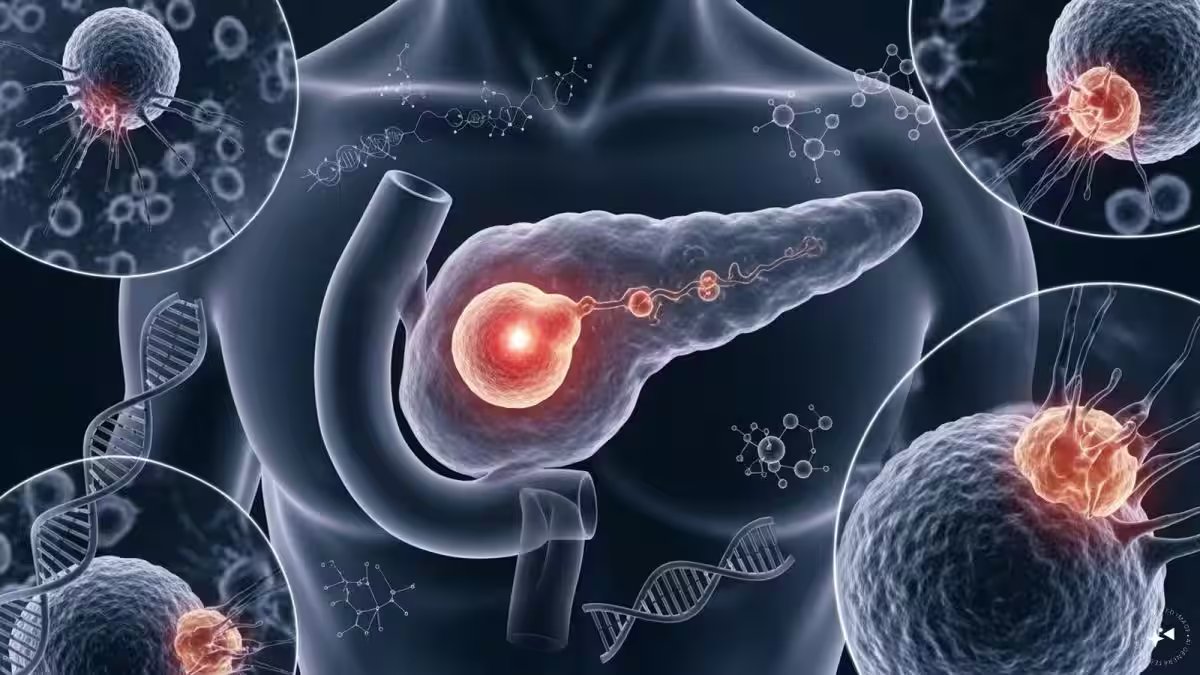
For decades, pancreatic cancer has been inextricably linked to long-standing diabetes, often viewed as a “lifestyle” consequence of chronic metabolic dysfunction. However, a startling shift is unfolding in oncology clinics worldwide. Emerging research indicates that the global incidence of pancreatic cancer has more than doubled over the last 30 years, rising from approximately 195,000 cases in 1990 to nearly 500,000 today and the profile of the “typical” patient is changing.
Clinicians are increasingly diagnosing people who have no history of diabetes or even prediabetes. Even more concerning is the growing evidence that “silent” metabolic triggers, such as mildly elevated blood glucose levels or sudden insulin resistance in otherwise healthy-looking adults, may be early warning signs rather than just risk factors.
As early-onset cases rise among those in their 40s and 50s, the medical community is being forced to look beyond traditional high-risk categories to environmental pollutants, modern dietary shifts and the subtle inflammation caused by sedentary lifestyles.
Firstpost talked to Dr. Vivek Belathur, Additional Director – Medical Oncology at Fortis Hospital (Bengaluru) to understand why this “silent killer” is increasingly striking non-diabetic individuals and what subtle symptoms the public might be ignoring.
How is pancreatic cancer risk changing beyond diabetes?
Dr Belathur: Pancreatic cancer has long been associated with long-standing diabetes, but we are now seeing a clear shift. An increasing number of patients diagnosed with pancreatic cancer have no history of diabetes or even prediabetes at the time of diagnosis. This change is important because it challenges the traditional belief that pancreatic cancer mainly affects people with known metabolic diseases. Many of these non-diabetic patients do not have obvious warning signs, which often delays diagnosis. The trend suggests that pancreatic cancer risk extends beyond classic diabetic profiles and may involve early metabolic changes, lifestyle factors, or environmental influences that are not yet fully understood.
Do mild glucose levels increase pancreatic cancer risk?
Dr Belathur: Blood sugar that is a little high can also be a problem. This is true even if it is not high enough to be called diabetes and is increasingly recognized as an important risk factor for pancreatic cancer. When you have borderline blood sugar or your body does not use insulin well it can cause problems for your pancreas. This happens because high blood sugar levels can cause stress and inflammation in your body, and this stress and inflammation can hurt your pancreas. Over time this can lead to problems, like damaged DNA cells, abnormal cell growth, and tumors. Pancreatic cancer is what happens when these things go wrong. Such changes can occur long before overt diabetes develop, meaning individuals who appear metabolically “healthy” may still be at risk. This challenges traditional notions of who are considered low-risk, highlighting that clinicians and individuals should pay attention to gradual rises in blood sugar, prediabetic states, or unexplained insulin resistance.
Do non-diabetic patients present differently?
Dr Belathur: These days people without diabetes are getting diagnosed with pancreatic cancer at a slightly younger age, sometimes even in their 40s or early 50s. Since they don’t have a history of metabolic issues, the early signs can be easily missed. These signs are often subtle and not very clear, like mild discomfort in the upper belly, feeling bloated, getting full too quickly when eating, feeling tired, or losing weight without knowing why. People often blame these symptoms on stress, stomach problems, diet, or lifestyle changes from work, because the absence of diabetes may lower clinical suspicion; resulting in delayed diagnosis, and many cases are detected at advanced stages.
Should prediabetes be seen as cancer risk?
Dr Belathur: Prediabetes, which is viewed as a metabolic concern, is now increasingly recognized as a potential early warning marker for pancreatic cancer. Even mild insulin resistance and glucose imbalance can trigger cellular stress and inflammation in the pancreas. So, it’s important to consider prediabetes as a broader risk indicator as it allows timely lifestyle interventions, closer monitoring, and preventive strategies before malignant transformation occurs.
What non-diabetes factors drive rising pancreatic cancer?
Dr Belathur: The rise in pancreatic cancer cannot be explained by diabetes alone. A combination of modern lifestyle and environmental factors appears to be driving this trend. Increasing rates of obesity and sedentary behaviour contribute to metabolic stress and chronic low-grade inflammation, both of which adversely affect pancreatic health. Smoking remains one of the strongest risk factors, while excessive alcohol intake can lead to repeated pancreatic injury and inflammation over time. Diets high in processed foods, refined sugars, and unhealthy fats further worsen metabolic and inflammatory pathways. In addition, long-term exposure to environmental pollutants, industrial chemicals, and toxins is increasingly being studied for their potential role in pancreatic carcinogenesis.
Which early pancreatic cancer signs in non-diabetics are missed?
Dr Belathur: For people without diabetes, the first signs can easily be confused with normal tummy troubles or stress. Things like constant bloating, a general ache in your belly or back, feeling tired for no reason, loss of appetite, or mild jaundice may not raise alarm initially. Because these symptoms develop gradually and seem harmless, thus delaying medical attention. Unfortunately, pancreatic cancer tends to progress silently, making early recognition especially important.
How can non-diabetics reduce pancreatic cancer risk?
Dr Belathur: Non-diabetic individuals should pay attention to rising or borderline blood sugar levels. Regular health check-ups, maintaining a healthy weight, staying active, and avoiding smoking and excessive alcohol consumption are important preventive steps. People who have ongoing digestive issues, unexplained weight loss, or constant fatigue should see a doctor right away, even if they do not have diabetes. Those with a family history of pancreatic cancer or metabolic disorders should be especially alert, as early detection greatly improves treatment outcomes.
End of Article