US officials warn Iran may be rebuilding nuclear capabilities ahead of key Geneva talks, as Washington insists Tehran cannot possess nuclear weapons and tensions rise amid military deployments and diplomatic pressure
The United States has raised fresh concerns about Iran’s nuclear ambitions, with top officials warning that Tehran may be attempting to rebuild elements of its nuclear weapons capability. The warnings come just hours before critical nuclear negotiations between the two countries in Geneva, amid rising tensions and increased military presence in the Middle East.
US officials said the upcoming talks could determine whether diplomacy can still prevent Iran from acquiring nuclear weapons, something Washington insists remains a red line.
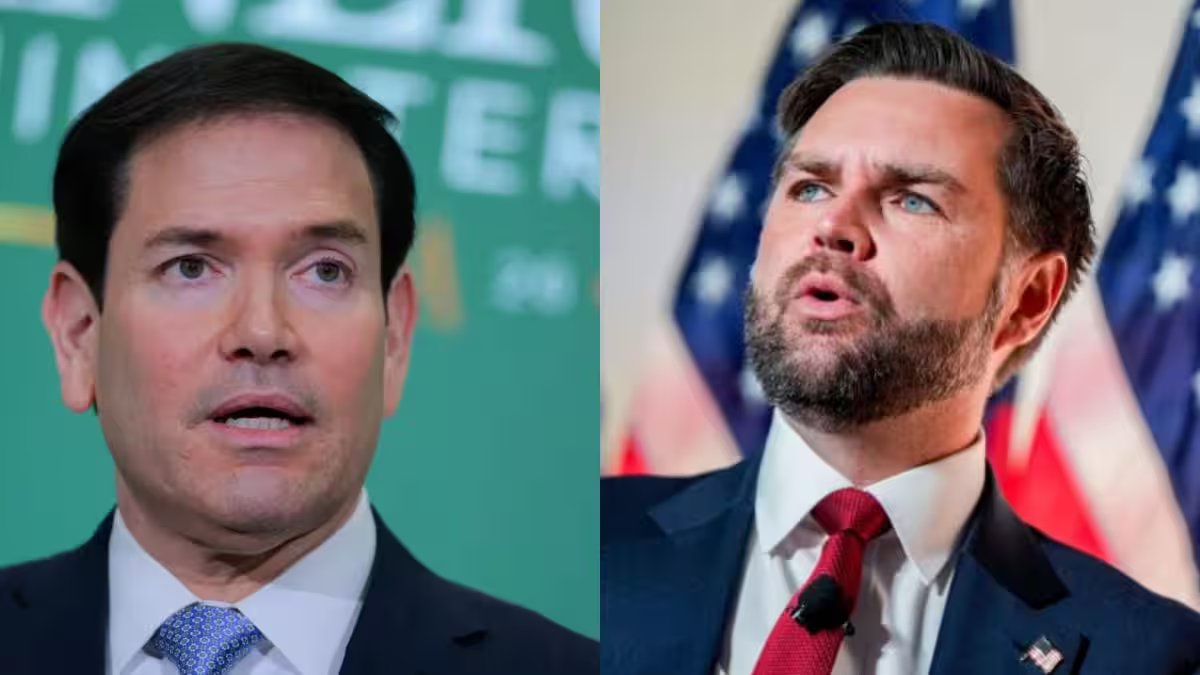
Rubio says Iran trying to rebuild nuclear programme
Speaking during a visit to Saint Kitts and Nevis, US Secretary of State Marco Rubio warned that Iran appears to be slowly rebuilding its nuclear infrastructure, despite previous
US strikes targeting its facilities.
“After their nuclear programme was obliterated, they were told not to try to restart it, and here they are,” Rubio said. “You can see them always trying to rebuild elements of it. They’re not enriching right now, but they’re trying to get to the point where they ultimately can.”
Rubio also warned that Iran’s military capabilities go beyond nuclear ambitions. He said the country possesses ballistic missiles capable of threatening US interests and allies, and is actively working to expand its weapons reach.
“Beyond just the nuclear programme, they possess these conventional weapons that are solely designed to attack America and attack Americans if they so choose to do so…They already possess weapons that can reach much of Europe already now, as we speak,” Rubio said.
Iran, however, has insisted that missile issues should not be part of the nuclear talks — something Rubio described as a “big problem.”
Rubio says Iran is rebuilding its nuclear weapons capabilities. They are not enriching right now, but they are trying to reach a point where they ultimately can. Iran’s short range ballistic missiles are a threat to US bases in the region. pic.twitter.com/WbEF1brjIV
— Yusuf Unjhawala 🇮🇳 (@YusufDFI) February 26, 2026
‘Iran cannot have a nuclear weapon’
US Vice President JD Vance reinforced Washington’s stance, stressing that preventing Iran from obtaining nuclear weapons remains non-negotiable.
“The principle is very simple: Iran cannot have a nuclear weapon,” Vance told reporters ahead of the Geneva talks.
The talks, which will involve US envoys Steve Witkoff and Jared Kushner meeting Iranian officials, mark the third round of negotiations this year.
COLLINS: Can you explain to the American people why the US would need to strike Iran to stop them from getting a nuclear weapon if the US ‘obliterated’ their enrichment program last summer?
JD VANCE: I’m not going to make any news on Iran today pic.twitter.com/1NgBCwWmyg
— Aaron Rupar (@atrupar) February 25, 2026
The diplomatic effort comes against a tense backdrop. The US has
deployed significant military forces to the Middle East, hinting that military options remain on the table if negotiations fail. At the same time, Iran has warned it could retaliate against US bases in the region if attacked.
With both sides preparing for negotiations, the Geneva meeting could prove pivotal in shaping the future of US-Iran relations, and determining whether diplomacy can prevent a new nuclear crisis.
End of Article