Trump has raised tariffs on South Korean imports from 15 per cent to 25 per cent across a range of products, including automobiles, lumber, pharmaceuticals and “all other Reciprocal TARIFFS”
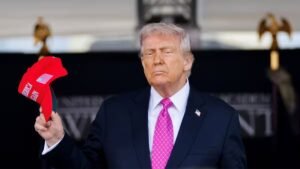
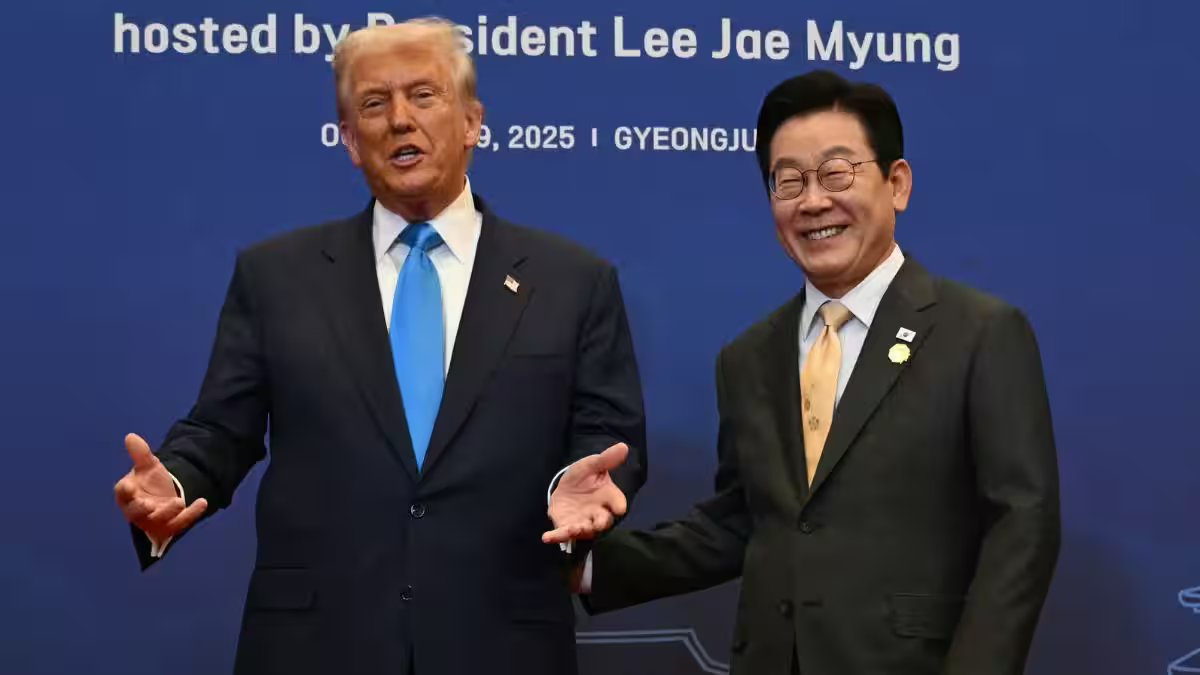
US President Donald Trump has announced more tariffs on South Korea after he accused the country of “not living up” to a trade deal with Washington that was reached last year.
Trump has raised tariffs on South Korean imports from 15 per cent to 25 per cent across a range of products, including automobiles, lumber, pharmaceuticals and “all other Reciprocal TARIFFS”.
South Korea and the US reached a trade deal worth $350 billion last year in October, which required Seoul to invest the amount in the country, some of which would go to shipbuilding.
Trump has claimed that South Korean lawmakers have been slow to approve the deal, while “we have acted swiftly to reduce our TARIFFS in line with the Transaction agreed to.”
What has S Korea said?
South Korea’s presidential office said it had not been informed about the tariff hike plans in advance.
It said Trade Minister Kim Jung-kwan, currently in Canada, would head to Washington for talks on the issue with US Commerce Secretary Howard Lutnick.
Seoul’s presidential office insisted in November that the deal does not require parliamentary approval, arguing it represents a memorandum of understanding rather than a binding legal document.
Asked whether the tariff deal had been submitted to parliament for approval, a senior official told AFP on Tuesday they were looking into it but did not elaborate.
US SC case on Trump tariffs
Meanwhile, back home, the
US Supreme Court deferred ruling on a legal challenge to the Trump administration’s use of emergency powers to impose sweeping global tariffs, leaving the issue unresolved for now.
The court did not indicate when it would take up the matter again. As per its usual practice, the Supreme Court does not announce in advance which rulings it will deliver on a given day, nor did it set a fresh hearing date.
At the centre of the case is whether Trump exceeded his authority under the International Emergency Economic Powers Act (IEEPA) by declaring a national emergency to impose country-specific import tariffs. The challenge has been filed by importers, who argue that the tariffs were imposed without clear congressional authorisation.
With inputs from agencies
End of Article