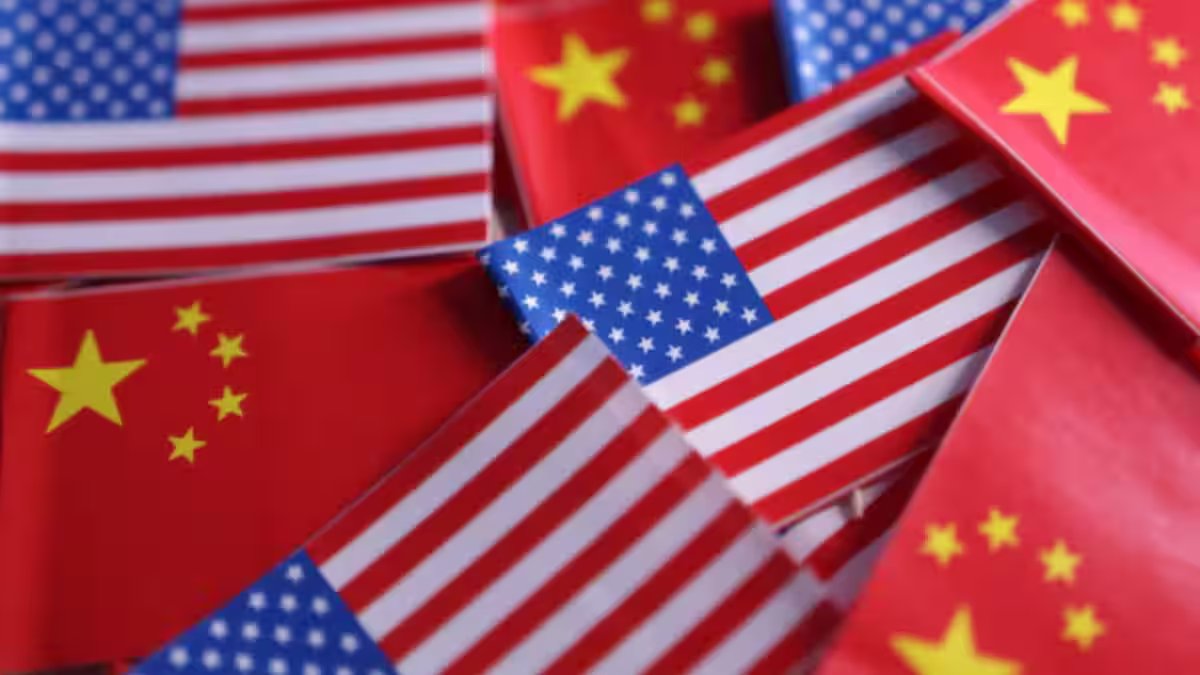
The Trump administration pitches AI exports and sea monitoring gear at APEC in China to counter Beijing’s tech and maritime reach.
The Trump administration is pushing American artificial intelligence exports and maritime monitoring tools at APEC gatherings in southern China this week. These moves aim to challenge Beijing’s growing sway over technology and sea routes in the Asia Pacific region.
AI push gains pace
Casey Mace, the top US figure at APEC, announced a $20 million fund to help regional partners take up American AI systems. This forms part of Washington’s drive to lock in leadership on cutting edge tech. The effort ties into President Donald Trump’s planned trip to China in April and the APEC leaders summit set for Shenzhen in November. Both occasions will likely underline the sharpening US China rivalry over tech and trade power in the area.
Beijing wants to close the gap with America in AI fields, but struggles without top notch chip production gear. A State Department voice warned that China’s AI work fuels Communist Party control through propaganda and censorship, while its rules on the technology back heavy handed state power. China insists it backs worldwide teamwork on AI standards and dismisses claims that its exports spread surveillance. Last July, Trump signed an order to spread US AI models, norms and oversight globally.
Maritime tech steps up
The US is also pitching private sector gear at APEC to fight illegal fishing, which endangers food supplies and sea borders across the Pacific. Ruth Perry, acting deputy assistant secretary for oceans and global environment issues, pointed to China’s vast 18 million strong distant water fleet as a major headache for smaller nations. She called it a clear offender, with signs of tight state direction behind its operations.
Perry highlighted US firm innovations like satellite ship trackers, AI driven data crunching, sound based detectors and buoy sensors to let governments keep tabs on fishing fleets. She linked rogue fishing to wider crimes such as forced work, people smuggling and trafficking. China’s updated Fisheries Law kicks in come May, and Perry said the right words are there, but action will tell the real story.
Broader rivalry context
These APEC plays come as Washington builds defences against Beijing’s tech rise and sea expansion. The AI fund targets allies wary of China’s model, while fishing tech offers practical aid to island states facing fleet pressure. Trump’s team frames this as safeguarding open seas and fair tech growth, key to regional stability. Smaller economies stand to gain from tools that boost their oversight without big costs. As summits loom, the pitch blends commerce, security and diplomacy to tilt influence back towards America.
End of Article