For people drawn to wildlife, solitude and purpose, counting puffins on a remote Welsh island is more than a quirky arrangement. Here’s all you need to know.
Most people dream about escaping to a quiet island, far from rent, traffic and crowded cities. On Skomer Island, off the coast of Pembrokeshire in Wales, that escape comes with a responsibility.
You can live there for free, but only if you are willing to help count puffins and take care of the island’s wildlife.
Skomer Island is small and windswept, measuring less than two square miles. It sits in the Irish Sea and can only be reached by boat.
The island is managed by the Wildlife Trust of South and West Wales and is one of the most important seabird sites in the
UK.
Each spring and summer, thousands of birds return to nest, filling the cliffs and grassy slopes with sound and movement.
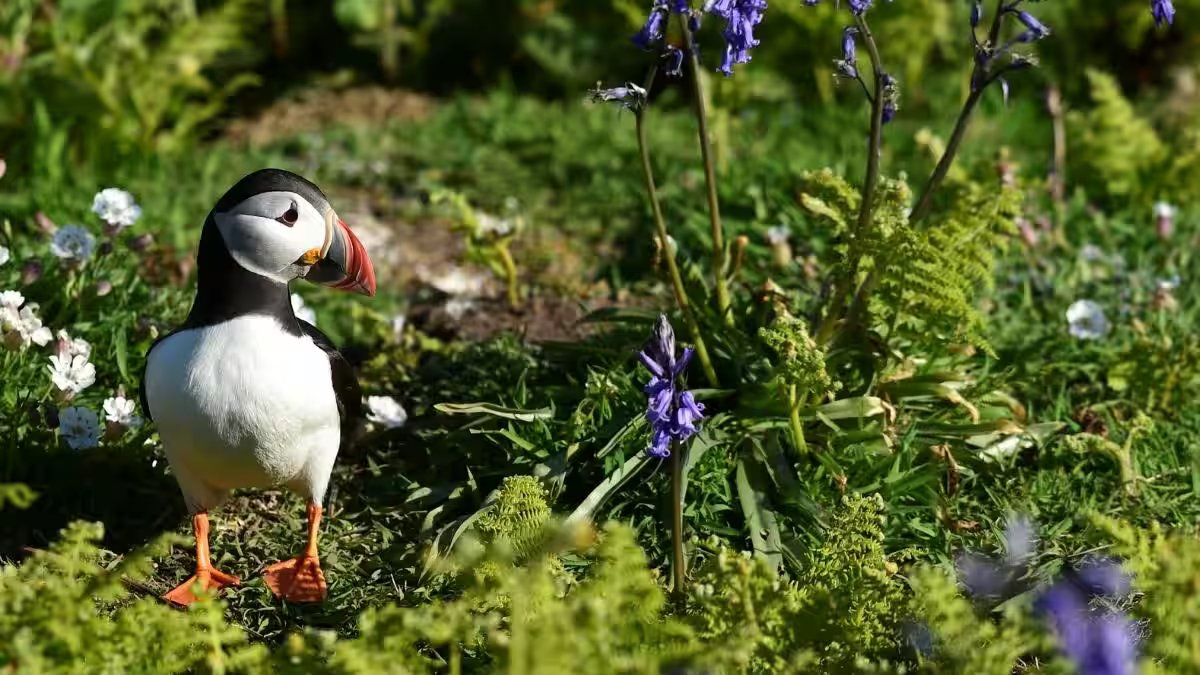
The stars of the island are Atlantic puffins. Puffins are compact seabirds with black and white feathers, bright orange feet and colourful beaks that become especially vivid during breeding season.
For most of the year, puffins live far out at sea across the North Atlantic, ranging from the waters around
Canada and Greenland to Iceland, Norway and the British Isles. They only come to land to breed.
Puffins are excellent swimmers. Using their wings like flippers, they dive beneath the surface to catch small fish such as sand eels, herring and sprats.
Each pair lays just one egg per year, usually in a burrow dug into soft soil. Both parents share the work of incubating the egg and feeding the chick until it leaves the nest and heads out to sea alone.
Despite their cheerful appearance, puffins are under pressure. Changes in sea temperatures, overfishing and climate change have affected fish stocks, making it harder for puffins to find food.
As a result, the species is currently listed as vulnerable globally. This makes monitoring their numbers especially important.
On Skomer, volunteers play a key role in that work. Every year, the
Wildlife Trust offers seasonal volunteer positions that include free accommodation on the island.
In return, volunteers help with puffin counts, seabird monitoring, visitor support and general conservation tasks.
Puffin counting involves surveying specific areas of the island and recording how many birds are seen on land and at sea, often during the evening when activity is highest.
Volunteers who take part say the experience is deeply rewarding. Living so close to nature, watching puffins return year after year, and contributing to real conservation efforts leaves a lasting impression.
Recent counts suggest that Skomer remains a stronghold for puffins, with tens of thousands returning each breeding season. That success is due in part to long-term protection, careful monitoring and the dedication of staff and volunteers.
For people drawn to wildlife, solitude and purpose, counting puffins on a remote Welsh island is more than a quirky arrangement.
End of Article