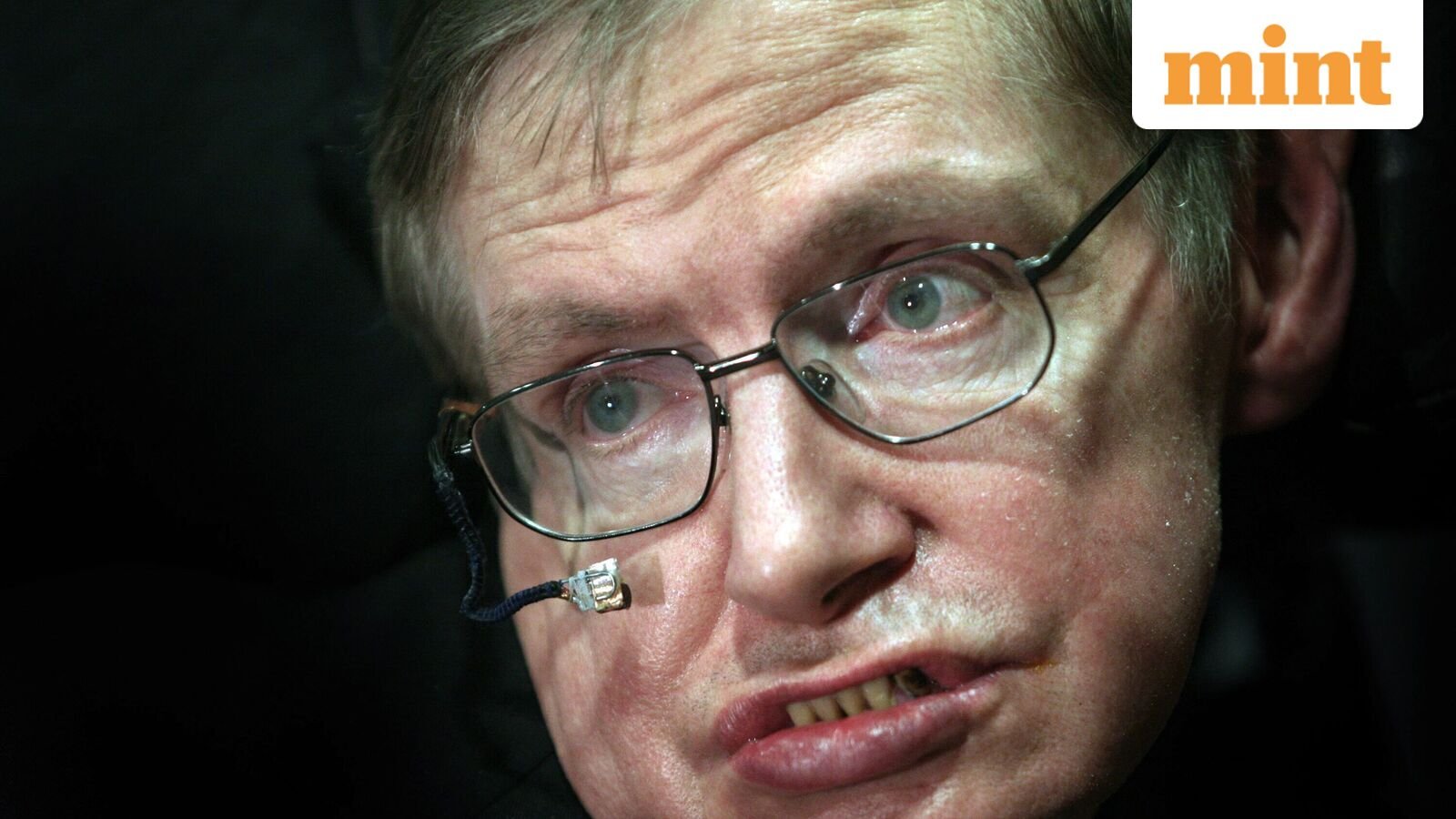
“In short, the rise of powerful AI will be either the best, or the worst thing, ever to happen to humanity.” — Stephen Hawking
Artificial Intelligence could transform civilisation for the better or pose unprecedented risks if left unchecked, the late physicist Stephen Hawking had warned, cautioning that advanced systems might enable powerful autonomous weapons or new tools of oppression.
That dual vision of promise and peril framed discussions at the India AI Impact Summit 2026, where policymakers, industry leaders and researchers stressed the need to balance rapid innovation with responsible governance.
Connectivity as the foundation
Speaking at the summit, Minister of State for Telecom Chandrasekhar Pemmasani said India’s 21st century transformation would be defined not by silicon chips alone but by connectivity.
“When historians write about India’s transformation, they will begin with the moment India made a fundamental choice that connectivity is not a luxury but sovereignty,” he said.
He described telecom networks as the foundational layer on which AI systems operate, enabling predictive maintenance, real-time spectrum optimisation and energy savings through AI-powered infrastructure management. With over a billion subscribers and expanding data centre capacity, India’s digital backbone is being positioned as the delivery layer for scalable AI applications.
Pemmasani added that the country’s journey is moving from “Digital Bharat” to “Intelligent Bharat,” but warned that without affordable and reliable connectivity, AI risks remaining confined to urban hubs and research institutions.
Telecom as the tracks for AI
SP Kochhar, Director General of the Cellular Operators Association of India, compared telecom infrastructure to railway tracks that carry the trains of innovation. The returns, he said, will come not from the foundation itself but from the AI applications built on top of it, across agriculture, medicine and multiple sectors.
He emphasised that robust telecom systems are essential to deliver seamless AI experiences at scale.
Safe and trusted AI
Concerns similar to those raised by Hawking were reflected in a dedicated session on safe and trusted AI, where speakers underlined the importance of accountability, governance and ethical deployment as AI becomes central to India’s economic and social development.
Participants called for strong data protection, cybersecurity safeguards, and risk-mitigation frameworks that enable innovation while preventing misuse. Regulatory bodies are working on updated guidelines for AI in healthcare, alongside expanded clinical trial sites and research centres to ensure validation and safety.
AI in healthcare and MedTech
Another session focused on AI-enabled MedTech, highlighting how intelligent systems can expand access to care, enable early diagnosis and improve affordability. Experts stressed the need for AI-ready data systems, digital health infrastructure and collaborative ecosystems to accelerate product development and large-scale deployment.
Recent policy reforms aimed at easing R&D recognition requirements for deep tech startups were cited as steps toward creating a more enabling innovation environment.
Balancing ambition and caution
Hawking had once said that success in creating AI could be the biggest event in the history of civilisation, but also warned it could be the last unless humanity learns to avoid the risks.
At the summit, the message was similar in tone if not in wording: India is embracing AI as a driver of growth and inclusion, but with a growing recognition that governance, connectivity and trust will determine whether the technology becomes a force for prosperity or a source of disruption.