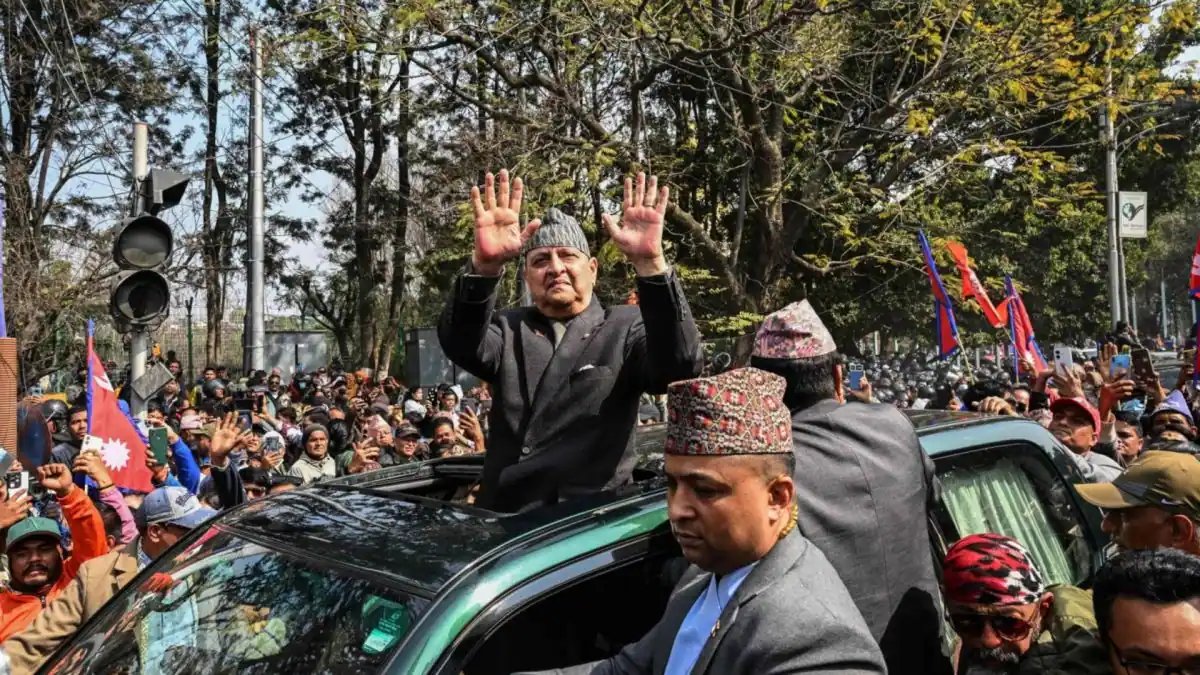
Nepal has entered full campaign mode, with political parties mobilising supporters, holding rallies, and sharpening messaging as the country prepares for a closely watched and politically significant March 5 election
Nepal has officially entered campaign mode ahead of the crucial March 5 elections, with political parties fanning out across the country to rally support and sharpen their messaging.
The announcement by the Election Commission Nepal marks the start of formal campaigning, setting the stage for a closely watched political contest that could shape the country’s immediate future.
Campaign battle begins
Leaders and party workers have begun organising rallies, public meetings and outreach programmes in both urban centres and rural constituencies. The campaign period is expected to intensify in the coming days, with major political parties competing to energise their voter base and present their vision for governance. The elections are seen as a key democratic exercise as the country continues to navigate political instability and shifting alliances.
In the capital,
Kathmandu, party offices have come alive with strategy meetings and volunteer mobilisation. Campaign materials, slogans and public appearances are already becoming more visible, reflecting the urgency among political leaders to connect with voters. Parties are focusing on issues such as economic recovery, employment, governance reforms and stability — all of which remain top concerns for citizens.
Authorities have also stepped up preparations to ensure a smooth and peaceful electoral process. Security arrangements are being strengthened, and election officials are coordinating closely with local administrations to oversee logistics and compliance with election rules. Officials have urged parties to follow campaign guidelines and maintain decorum during the election period.
The vote is expected to draw widespread participation, with political observers closely monitoring turnout and campaign developments.
Nepal’s Election Commission released the final list of candidates for the proportional representation polls last week. The list includes 3,135 candidates from 63 political parties, representing 57 election symbols. Among them are 1,772 women and 1,363 men, reflecting Nepal’s constitutional mandate of at least 33% reservation for women in federal and provincial legislatures. This requirement aims to promote proportional representation, gender equality, and broader social inclusion in governance.
Youth appeal in Nepal elections
Among the most prominent challengers is television personality Rabi Lamichhane, 50, who heads the Rastriya Swatantra Party (RSP). The party surprised many in 2022 by emerging as the fourth-largest force in parliament.
Lamichhane, a former deputy prime minister and home minister, has joined hands with ex-Kathmandu mayor Balendra “Balen” Shah (35), a rapper-turned-civil engineer with a strong digital following. Shah is the alliance’s prime ministerial face and is directly challenging incumbent K. P. Sharma Oli in his own constituency.
Another major name in the race is Kulman Ghising, former interim energy minister and ex-chief of the Nepal Electricity Authority, widely recognised for ending years of crippling power cuts.
A fresh wave of first-time candidates has emerged from the loosely organised Gen Z movement that played a key role in the September protests. Many young Nepalis are backing leaders who promise jobs, transparency, and economic revival.
According to the World Bank, about 82% of Nepal’s workforce remains in informal employment, while GDP per capita stood at $1,447 in 2024.
Among the youth leaders entering the fray is Sudan Gurung, a prominent protest figure now contesting the election alongside other young activists hoping to convert street momentum into political change.
End of Article