Iran rejects exporting its 300 kg of highly enriched uranium but offers to dilute it to 20 % or below under IAEA supervision, asserting enrichment rights as US weighs possible military action
Iran has taken a firm stance in its high-stakes nuclear talks with the United States, saying it will not export its 300 kg stockpile of highly enriched uranium, but is prepared to reduce its purity under strict United Nations supervision, a move aimed at defusing tensions and paving the way for a diplomatic solution.
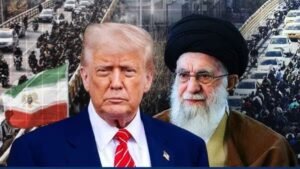
In recent negotiations, Tehran has been under intense pressure from Washington, where President Donald Trump is considering whether to order military action against Iran amid a broader standoff over its nuclear programme. The Iranian proposal is expected to be central to its next offer in talks with US envoys.
Diluting uranium, but not giving it up
Iran currently holds uranium enriched to 60 % purity, a level close to weapons-grade, according to Iranian sources familiar with the discussions.
While Tehran is not willing to send this material abroad, it has offered to down-blend the uranium to 20 % or below under the watchful eye of the International Atomic Energy Agency (IAEA), the UN nuclear watchdog.
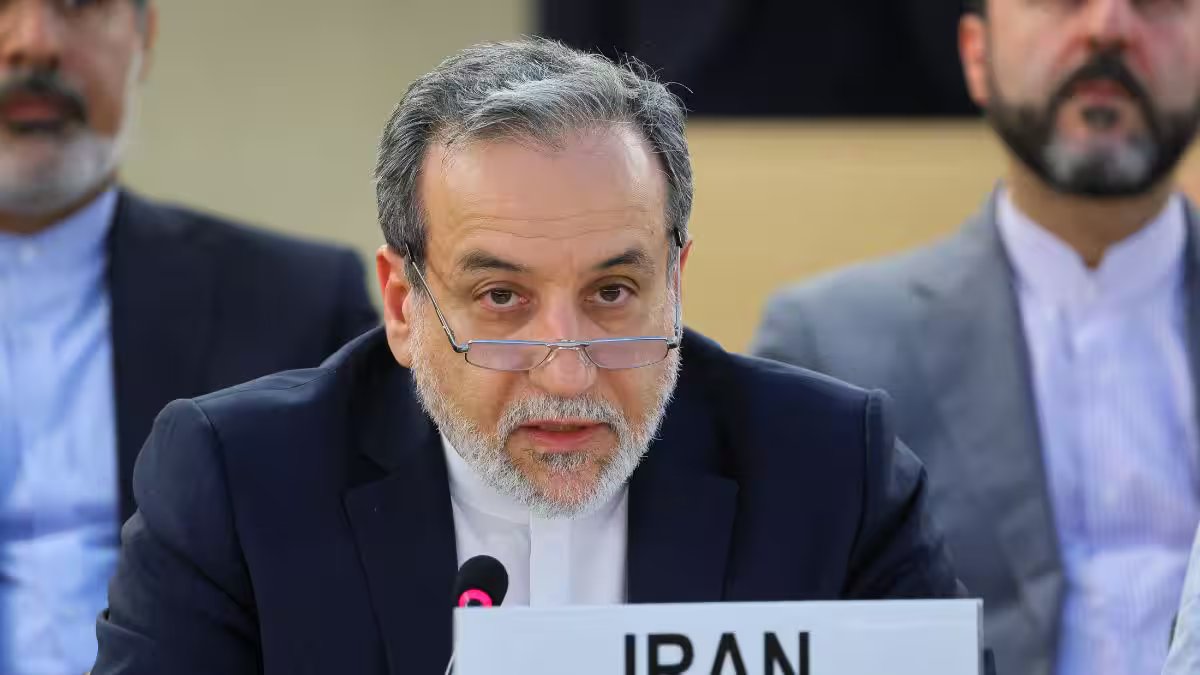
Foreign Minister Abbas Araghchi has insisted there has been no US demand for Iran to abandon its right to enrich uranium inside its own territory. “Washington has not asked Tehran to permanently suspend uranium enrichment,” he said. “It is not true that the United States has called for a complete cessation of enrichment.”
Talks have also explored ideas such as sending enriched material abroad—including to Russia—or involving Iran’s enrichment activities in an international consortium, but Iranian officials say those concepts have not been formally raised and that nuclear materials must remain on Iranian soil.
US demands and diplomatic tightrope
US officials, including the American ambassador to the United Nations, have publicly taken a more stringent stance. Ambassador Mike Waltz said the US goal remains “zero enrichment,” a tougher demand than what Iran describes as being on the table.
Analysts say how far Iran’s dilution proposal goes—and how much confidence the international community has in IAEA oversight—could be decisive in whether a diplomatic solution is reached or if tensions escalate further.
Iran’s proposal comes amid ongoing indirect negotiations with the United States in Geneva and Oman, where talks have achieved agreements on “guiding principles” but stopped short of a full deal. Both sides continue to grapple with the future of Tehran’s nuclear programme and its implications for regional security.
End of Article