Tensions have resurfaced in the Strait of Hormuz after Iran announced plans for a live-fire military drill in the strategic waterway, prompting a warning from the US military. The strait is a vital global shipping route through which about one-fifth of the world’s oil supply passes.
The Strait of Hormuz, the narrow mouth of the Persian Gulf and a critical artery for global energy trade, has once again emerged as a flashpoint as Iran plans a military drill that could intersect a key international shipping lane.
Iran has warned vessels that it will conduct a live-fire exercise on Sunday and Monday in the strait, through which about one-fifth of the world’s oil supply passes.
US issues warning to Iran
In response, the US military’s Central Command cautioned Tehran that any “unsafe and unprofessional behavior” near American forces, regional partners, or commercial vessels could raise the risk of collisions, escalation, and wider destabilisation. The command said it would not tolerate actions that threaten US warships or commercial traffic.
Why the Strait of Hormuz matters
At its narrowest point, the Strait of Hormuz is just 33 kilometres (21 miles) wide. It connects the Persian Gulf to the Gulf of Oman, allowing ships to reach global markets. While Iran and Oman control parts of its territorial waters, the strait is considered an international waterway open to all vessels. The United Arab Emirates, including the port hub of Dubai, also lies close to the route.
Historically vital for trade, the strait has in modern times become indispensable for oil and gas shipments. Although Saudi Arabia and the UAE operate pipelines that can bypass it, most oil volumes have no alternative route. The majority of energy shipments passing through the strait are bound for Asian markets. Past threats to the waterway have triggered spikes in global energy prices, including during Israel’s 12-day war against Iran in June.
Details of the planned drill
A notice to mariners issued on Thursday warned of planned “naval shooting” in the Strait of Hormuz on Sunday and Monday. The coordinates suggest the drill could extend into the Traffic Separation Scheme, a 3.2-kilometre-wide, two-lane system that manages ships entering and exiting the Persian Gulf. The northern lane of this system falls within the area marked for the drill.
Iran has not released further public details, but the exercise is likely to involve the Islamic Revolutionary Guard Corps, which operates fast-attack vessels in the strait and has a history of tense encounters with the US Navy.
Rising regional tensions
The US Central Command acknowledged Iran’s right to operate in international waters but warned against interference with American aircraft, warships, or commercial vessels. It stressed that the US Navy’s Bahrain-based Fifth Fleet remains prepared to respond to any unsafe actions.
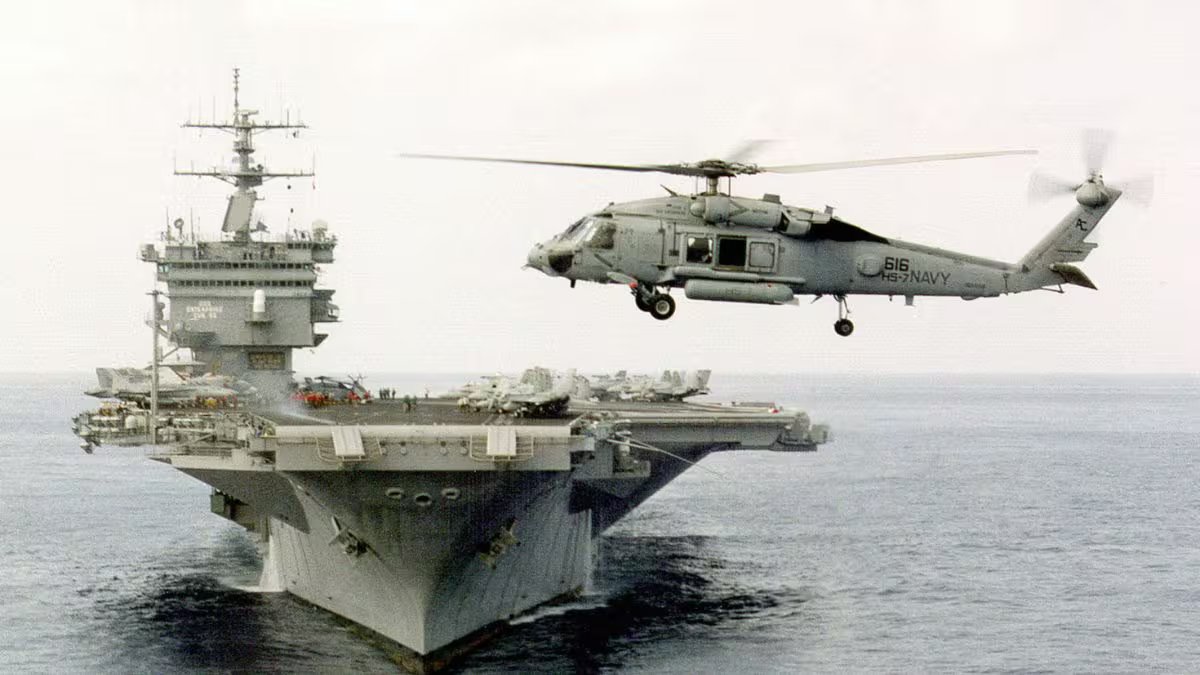
Tensions in the region remain high, with US President Donald Trump having previously threatened military action against Iran over its domestic crackdown and nuclear programme. The USS Abraham Lincoln aircraft carrier and accompanying destroyers are currently deployed in the Arabian Sea, while Iran has warned it could target US interests and allies across the Middle East if attacked.
End of Article