IAEA chief Rafael Grossi says a new inspections accord with Iran is possible but “terribly difficult”, adding that inspectors have returned but lack access to sites hit by Israeli and US forces.
The head of the UN’s nuclear watchdog said on Friday that while a new inspections agreement with Iran remains within reach, achieving it will be “terribly difficult” amid ongoing tensions.
Speaking at the Munich Security Conference, International Atomic Energy Agency (IAEA) Director General Rafael Grossi said agency inspectors had returned to Iran after Israeli and US strikes last year but had yet to gain access to facilities that were hit during those attacks.
Grossi described the renewed engagement with Tehran as difficult but ongoing. “The dialogue has been imperfect, complicated and extremely difficult,” he said, adding that discussions were nonetheless continuing.
He maintained that an understanding allowing inspectors to revisit damaged nuclear sites was achievable. “It is absolutely possible,” Grossi said, while cautioning that reaching such an arrangement would be “terribly difficult.” He added that the technical requirements for verification were clear. “We know what needs to be checked and how to check it,” he told the conference audience.
Tensions over access stem from last June’s 12-day conflict, when Israel launched strikes on Iranian targets, followed by US attacks. Since inspectors resumed their presence in Iran, authorities have not permitted visits to the key sites affected by the operations. Tehran stated in November that any such access would need to be part of a broader new agreement.
The diplomatic backdrop remains fluid. Washington and Tehran have had contacts in recent weeks, and the US has signalled interest in further discussions following an initial meeting in Oman on February 6.
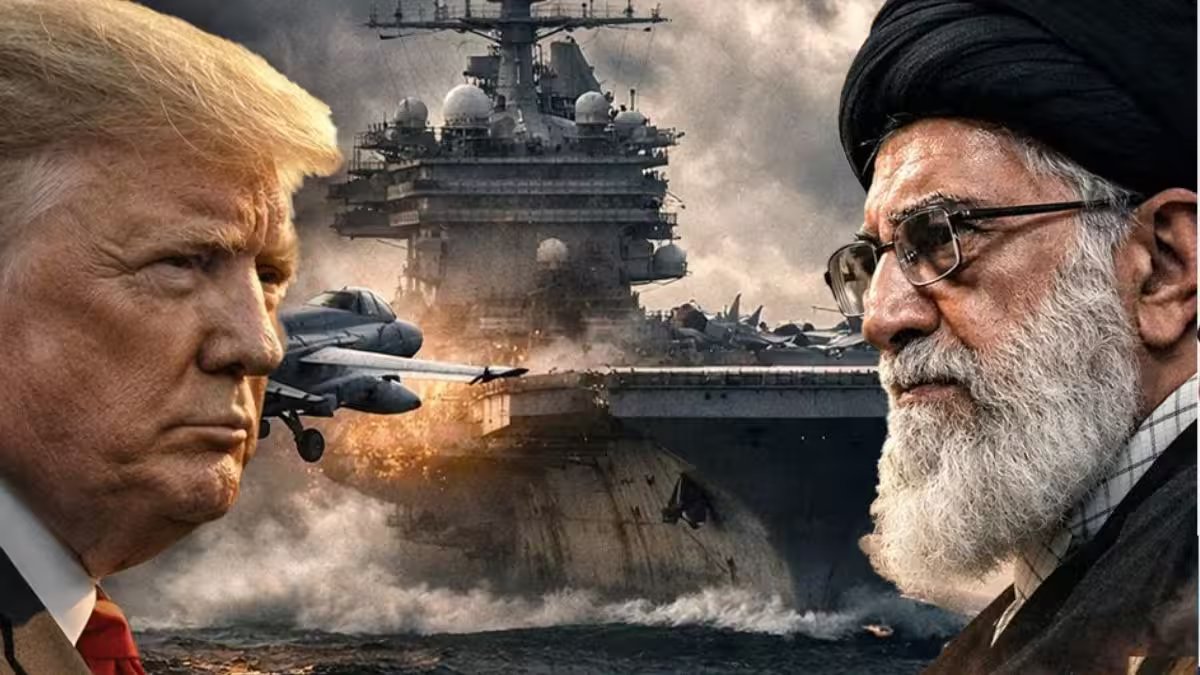
At the same time, military signalling has intensified. President Trump said on Friday that a second aircraft carrier strike group would soon head to the West Asia. Asked about reports that the USS Gerald R. Ford could be redeployed from the Caribbean, Trump told reporters it would depart shortly. “In case we don’t make a deal, we’ll need it,” he said, underscoring the pressure surrounding nuclear negotiations.
What is going on with Iran-US talks?
Iran and the United States have yet to set a date for a new round of talks after an initial encounter last week on the contested Iranian nuclear programme but, for now, US President Donald Trump is not rushing to launch military action against the Islamic republic.
AFP looks at a critical juncture in the modern history of Iran in the wake of the crackdown on the biggest protests in years in January that according to rights groups has left thousands dead.
Where is diplomacy?
Iranian Foreign Minister Abbas Araghchi on February 6 held talks in Oman with US envoy Steve Witkoff and Trump’s influential son-in-law Jared Kushner.
The talks were indirect, with the Omanis acting as mediator, although Tehran did later confirm that there was a handshake.
Iran’s supreme national security council head Ali Larijani, a mainstay of the establishment for the last decades, this week followed this up with visits to Oman and then US ally Qatar.
There was speculation about the contents of a piece of paper he brandished during the visit to Oman, but so far no new date for talks has been set.
“We didn’t have a letter for the Americans, but our Omani friends had some communications,” Larijani told Iranian state television.
“There were some remarks the Omani side told us on behalf of the Americans,” he added, without offering further clues.
Trump had hailed the Oman talks as “very good” and said there would be another meeting “early” this week, something that has not materialised.
Is there room for compromise?
In an upbeat interview with the Financial Times, Turkish Foreign Minister Hakan Fidan indicated that compromise was possible on the key sticking point of uranium enrichment.
The West believes Iran is seeking a nuclear bomb, a charge Tehran denies, and wants a halt to uranium enrichment, a key step in weaponising an atomic programme.
“It is positive that the Americans appear willing to tolerate Iranian enrichment within clearly set boundaries,” said Fidan, who has held talks with Iranian and American counterparts.
With inputs from agencies
End of Article