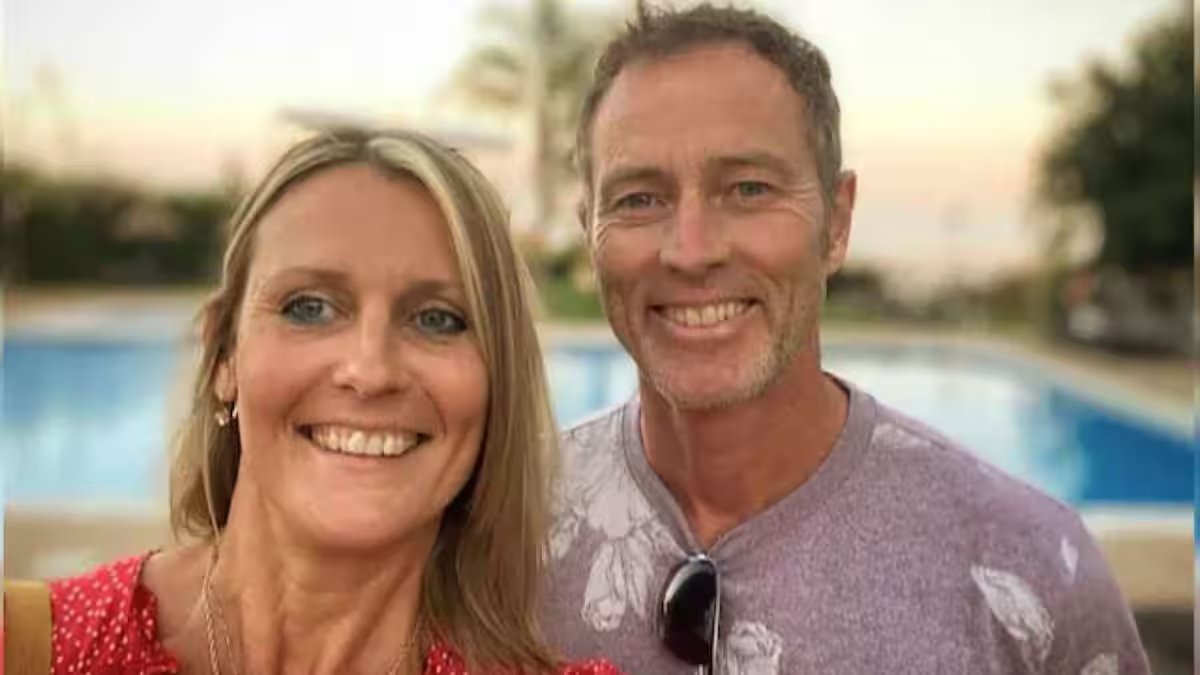
British couple Lindsay and Craig Foreman were sentenced to 10 years in Iran on espionage charges after a brief trial; UK officials denounce conviction and vow to seek their return.
A British couple on a global motorcycle journey has been sentenced to 10 years in an Iranian prison on espionage charges, a verdict drawing sharp rebukes from London amid concerns over due process and their welfare.
Craig and Lindsay Foreman, both in their 50s and from East Sussex, were arrested in January 2025 while travelling through Iran as part of a round-the-world trip. Iranian authorities accused them of spying, allegations the couple and their family have steadfastly denied.
The pair appeared before Branch 15 of the Tehran Revolutionary Court in October last year for a short, three-hour hearing. According to their son, Joe Bennett, neither was allowed to present a defence during that session.
Images and accounts from relatives show the Foremans being held in separate sections of Tehran’s notorious Evin prison, long criticised by rights groups for harsh conditions. Testament to the strain of their detention, Craig told reporters earlier this week that infrequent meetings with Lindsay permitted about once a month were what sustained them.
Family members have voiced deep concern for the couple’s physical and mental well-being, emphasising the lack of transparency surrounding the judicial process and the absence of publicly disclosed evidence supporting the espionage allegations.
UK condemnation and diplomatic deadline
The British government has condemned the sentencing in stark terms. British foreign minister Yvette Cooper on Thursday condemned as “totally unjustifiable” the 10-year sentence given to a British couple in Iran for spying, saying the government would continue to press for their release.
“We will pursue this case relentlessly with the Iranian government until we see Craig and Lindsay Foreman safely returned to the UK and reunited with their family,” Cooper said in a statement.
Their sentencing comes amid broader geopolitical tension, with Iran’s judiciary and security apparatus often accused by Western governments of using foreign detainees to gain leverage in diplomatic disputes. Tehran has not publicly commented in detail on the case, but its judiciary earlier claimed the Foremans were gathering information in various parts of the country while posing as tourists — a characterization rejected by the family.
The Foremans’ case has renewed warnings from the UK Foreign, Commonwealth & Development Office against travel to Iran, particularly for British nationals and dual citizens, citing risks of arbitrary detention and politically motivated prosecutions.
Legal and diplomatic experts say the situation places additional pressure on the UK government to explore all avenues, including international legal mechanisms and high-level negotiations, to secure the couple’s freedom and address broader patterns of foreign detentions in Iran.
End of Article