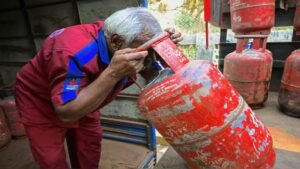
From Bengaluru’s legendary Darshinis to Mumbai’s vada pav stalls, India’s eateries are rationing menus and dimming burners as an LPG shortage triggered by West Asia tensions threatens a nationwide culinary shutdown
The sizzle of the griddle and the whistle of the pressure cooker are falling silent across India’s culinary hotspots. A severe shortage of commercial Liquefied Petroleum Gas (LPG), triggered by escalating geopolitical tensions in West Asia, has pushed the country’s multi-billion dollar restaurant industry to the brink of a massive shutdown.
From the legendary Darshinis of Bengaluru to the bustling vada pav stalls of Mumbai, the scarcity of 19-kg commercial cylinders is forcing iconic eateries to choose between rationing their menus or turning off the lights.
A crisis at the kitchen door
The crisis stems from a directive issued by the Ministry of Petroleum and Natural Gas, which has prioritised domestic LPG supplies for households and essential services like hospitals. While intended to shield families from the fallout of the West Asia conflict, the move has effectively choked the supply chain for the hospitality sector.
Industry bodies, including the National Restaurant Association of India (NRAI) and the Federation of Hotel & Restaurant Associations of India (FHRAI), have warned that the situation is “catastrophic.”
Bangalore Hotels Association releases a notice saying, “The supply of gas cylinders for commercial use has been stopped from today. Since the hotel industry is classified as an Essential Service, the common people, senior citizens, students, medical and other people who depend on… pic.twitter.com/K49p5LnWVN
— ANI (@ANI) March 9, 2026
Icons in the line of fire
The impact is being felt most acutely by chains that rely on high-volume, continuous cooking. In Bengaluru, the legendary MTR (Mavalli Tiffin Rooms), Vidhyarthi Bhavan, and several high-traffic Darshinis have reportedly had to manage limited stocks, prioritising signature items like Rava Idli while cutting back on secondary menu options.
In Chennai, the LPG shortage has hit legendary vegetarian chains like Adyar Ananda Bhavan (A2B), Sangeetha, and Vasanta Bhavan. Iconic social hubs like the Cosmopolitan Club are also struggling.
VIDEO | Tamil Nadu: “Given the current availability, restaurants will be able to operate for only two more days. More than 50,000 workers will be affected if we all close restaurants,” says Tiruppur District Hotel Owners Association Secretary Nagarajan on LPG shortage.
(Full… pic.twitter.com/sxrdSXpbfT
— Press Trust of India (@PTI_News) March 10, 2026
Similarly, in
Mumbai, the popular Gajalee and Mahesh Lunch Home groups, known for their labour-intensive coastal preparations, are facing logistical hurdles in securing enough fuel to keep their massive burners firing through dinner service.
Follow our live coverage on India’s LPG shortage
here.
The vada pav and QSR crisis
The disruption has even reached the “common man’s” meal.
Major QSR (Quick Service Restaurant) chains like Goli Vada Pav, which operates hundreds of outlets across the country, are feeling the pinch. Since their model relies on rapid deep-frying and consistent heat, any lapse in fuel supply leads to immediate store closures. In the north, giants like Haldiram’s and Bikanervala are navigating the crisis by shifting some of their production to centralised electric kitchens where possible, though the authentic taste of “flame-cooked” snacks remains at risk.
VIDEO | Chandigarh: People allege black marketing of LPG cylinders amid reports of supply disruptions due to the ongoing West Asia conflict.
(Full video available on PTI Videos – https://t.co/dv5TRAShcC)#Chandigarh pic.twitter.com/vIO4DHCHjY
— Press Trust of India (@PTI_News) March 10, 2026
Economic fallout and limited menus
To survive, many establishments are turning to “limited menus,” removing items that require long simmering times, such as certain dal varieties or slow-cooked gravies. In Kolkata, heritage spots like Peter Cat and Mocambo are reportedly monitoring gas levels hour-by-hour. Industry experts warn that if the shortage persists for another week, more than 30% of small-to-medium eateries in metropolitan areas could face temporary shutdowns, leading to significant revenue losses and potential layoffs for daily-wage kitchen staff.
The Ministry of Petroleum and Natural Gas has clarified that while there is “no ban” on commercial LPG, the priority is strictly domestic. To manage the crisis, the Ministry has issued the following directives:
-
Refinery mandate: Oil refineries have been ordered to maximise LPG production from propane and butane streams and divert 100% of this additional output to domestic household use.
-
Essential exemptions: Imported LPG is being strictly prioritized for “essential non-domestic sectors,” specifically hospitals and educational institutions.
-
Anti-hoarding rules: A new 25-day inter-booking rule has been enforced for domestic consumers to prevent the black marketing or diversion of household cylinders to commercial kitchens.
-
The committee: To address the industry’s outcry, the Ministry has constituted a committee of three Executive Directors from Oil Marketing Companies (OMCs) to review representations from hotels and restaurants and find a middle ground.
End of Article