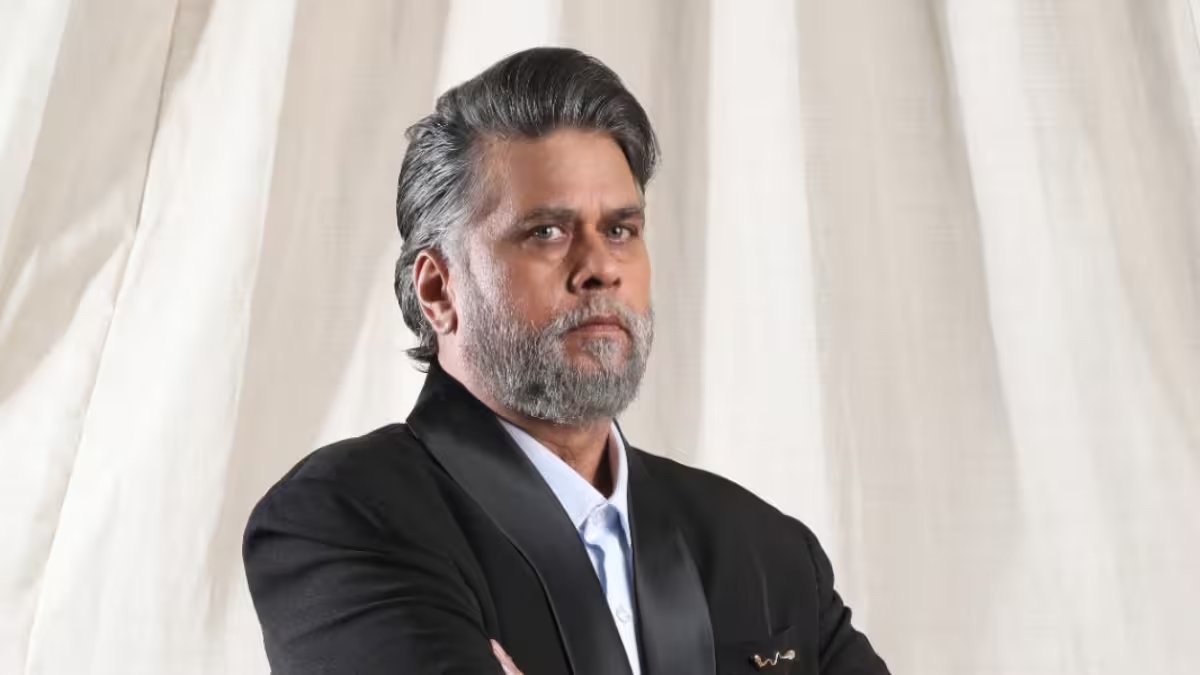
Along with acting, Manoj Kumar Sharma is also the producer of the film, reinforcing his commitment to bringing socially relevant and meaningful cinema to the forefront
Manoj Kumar Sharma is receiving immense appreciation for his powerful performance in the recently released film Me No Pause Me Play, currently running in theatres nationwide. Portraying the character Rajat Khanna, Manoj has delivered a compelling and emotionally resonant performance that has struck a deep chord.
Think of Chetan Bhagat, the author who then transitioned into films by penning the screenplay of Salman Khan’s 2014 blockbuster Kick.
With a strong screen presence and nuanced character portrayal, Manoj Kumar Sharma brings remarkable depth to the role of Rajat Khanna—a supportive and progressive individual who stands beside a woman navigating the emotionally challenging phase of menopause. His performance beautifully reflects empathy, maturity, and layered sensitivity, making Rajat Khanna one of the most loved characters in the film.
Along with acting, Manoj Kumar Sharma is also the producer of the film, reinforcing his commitment to bringing socially relevant and meaningful cinema to the forefront. Me No Pause Me Play, which tackles the often-ignored subject of menopause and women’s emotional journeys, has opened strong conversations and continues to draw audiences to theatres.
In its review of the film, Firstpost wrote, “Director Samar K Mukherjee deserves applause for approaching such a sensitive theme with restraint and truthfulness. The film maintains a grounded, character-led storytelling style, steering clear of exaggerated melodrama.
The music by Santosh Puri, Shivang Mathur, and Amritanshu Datta enhances the emotional pacing with a subtle, well-balanced background score that complements rather than overshadows the drama.”
It added, “Me No Pause Me Play succeeds in initiating an essential and long-overdue dialogue about women’s health, aging, dignity, and emotional resilience. The film offers not just entertainment but awareness, empathy, and a fresh social perspective.”
End of Article