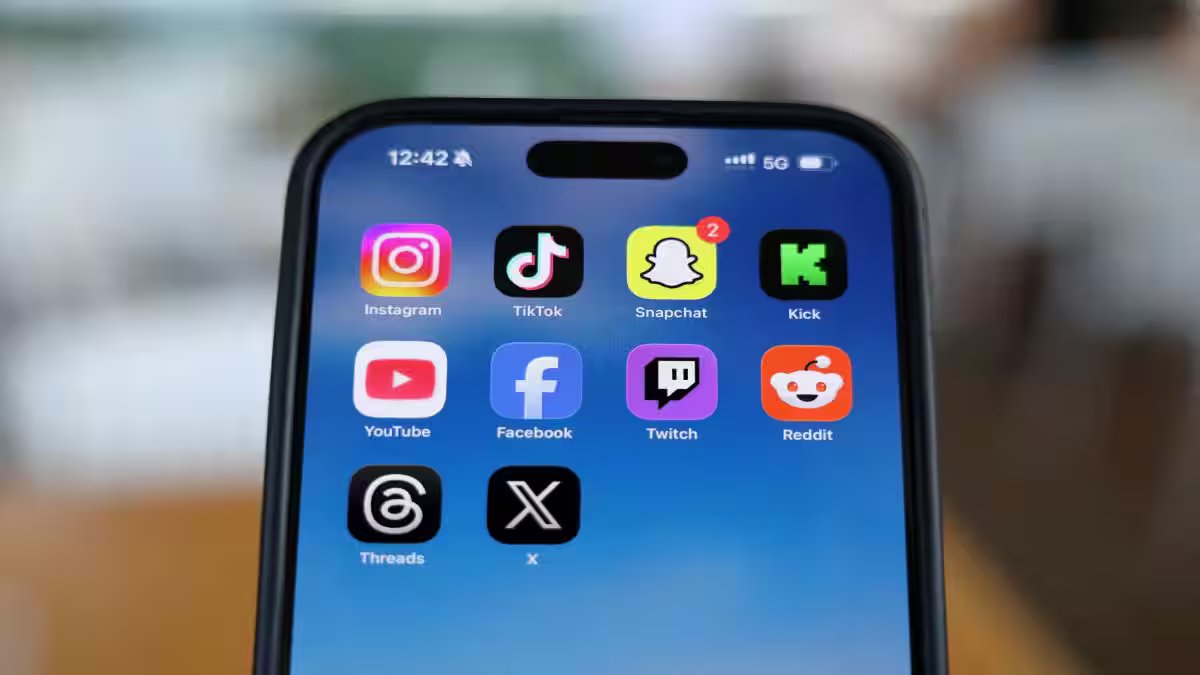
The government has announced sweeping changes to India’s social media regulations, tightening timelines for content takedowns and introducing stricter rules to curb the misuse of artificial intelligence, including deepfakes and misleading AI-generated material.
The government has sharply tightened rules for social media platforms, reducing the deadline to remove content flagged for violating local laws from 36 hours to just three hours, according to a new order issued by the Ministry of Electronics and Information Technology. The revised rules will come into effect on February 20, 2026.
New rules target deepfakes and AI misinformation
Alongside the tighter takedown timeline, the government has notified new regulations aimed at curbing deepfakes and misleading AI-generated content online.
Under the updated framework, both users and platforms will be required to clearly disclose when photos, videos or audio have been created or altered using artificial intelligence, to prevent people from being deceived.
Mandatory disclosure and labelling of AI content
Anyone uploading AI-generated or AI-modified content, including deepfakes, must declare that the material is not real. Social media platforms such as X and Instagram will also be required to visibly label AI-generated content so users are not misled into believing it depicts real individuals or real events.
The new rules mandate that AI-generated files carry embedded digital tracking information, known as metadata. This will allow experts to identify the AI tools used to create the content and is aimed at improving traceability and accountability in cases of misuse.
Faster grievance redressal timelines
Timelines for grievance redressal have also been significantly shortened. Platforms must now acknowledge user complaints within two hours, down from the earlier 24-hour requirement, and resolve complaints within seven days instead of 15.
Amendments to IT rules
As part of the overhaul, the government has amended the Information Technology (Intermediary Guidelines and Digital Media Ethics Code) Rules, 2021, to formally define AI-generated and synthetic content. The amendments classify AI-created or altered audio, visual and audiovisual material that appears real or authentic as “synthetically-generated information.” Routine editing, accessibility-related changes and good-faith educational or design work are excluded from this definition.
The amendments also clarify that AI-generated content will be assessed on par with other information when determining unlawful acts under existing IT rules, PTI reported.
End of Article