Global electric vehicle (EV) registrations fell 3 percent year-on-year in January 2026 to nearly 1.2 million units of battery-electric and plug-in hybrid cars, according to data from consultancy Benchmark Mineral Intelligence and reported by Reuters.
- China records its weakest monthly EV sales in almost two years
- US market sees sharp pullback as purchase incentives ease
- Europe posts growth, but at its slowest pace in about a year
The decline was driven mainly by weaker demand in China and North America as policy changes and reduced subsidies weighed on sales globally. The slowdown also comes amid policy shifts in key EV markets. Both China and the European Union have rolled back or eased some regulations and incentives that had previously supported faster electric vehicle adoption, softening demand early in the year.
At the same time, hybrid vehicles have gained ground in several regions, as buyers look for a middle path between conventional combustion engines and full EVs. Lower upfront costs and fewer charging constraints have made hybrids more appealing, even as battery-electric sales lose momentum.
China and North America weigh on global demand
China, the largest EV market in the world, saw registrations drop about 20 percent in January to under 600,000 units, the lowest monthly total in nearly two years. The downturn followed cutbacks in government subsidies and the introduction of a new purchase tax that has dampened buyer interest.
North America recorded an even sharper fall, with EV registrations down 33 percent compared with January 2025. In the United States, this was the weakest monthly sales performance since early 2022, reflecting changes in federal and state-level incentives that had previously supported EV purchases.
Europe and rest-of-world post gains
Despite headwinds elsewhere, Europe was the only major region to record an increase in EV registrations, rising about 24 percent to just over 320,000 units in January. However, this was the slowest rate of growth in the region in roughly a year.
Outside the main markets, EV registrations in the rest of the world jumped roughly 92 percent to just under 190,000 units, a record high. Growth was supported by incentives in countries such as Thailand and stronger demand in markets like South Korea and Brazil
Automakers adapt to shifting demand
The softer start to 2026 has already had a financial impact on some manufacturers. According to Reuters, global carmakers with significant exposure to the US market have booked around $55 billion in writedowns over the past year as they reassess electric vehicle strategies in response to sluggish demand and competitive pressures.
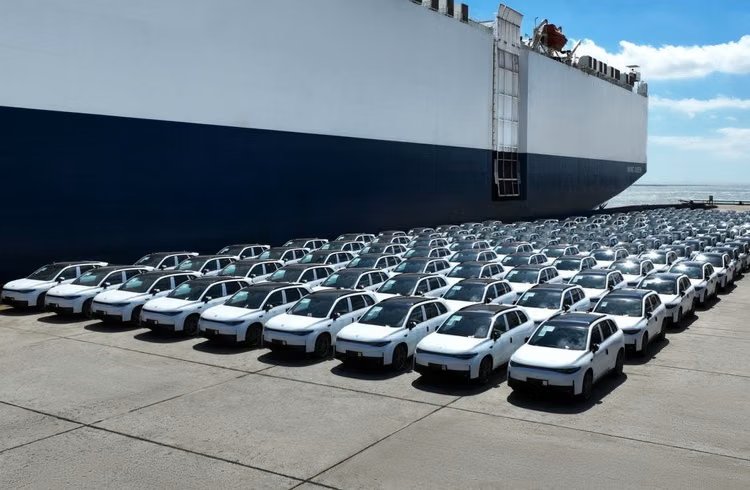
Benchmark Mineral Intelligence also noted that Chinese EV makers are increasingly looking to boost exports to regions such as Southeast Asia, where demand remains more robust. Charles Lester, a data manager at the consultancy, said the trend of rising exports is expected to continue through 2026.