RSP’s star candidate, rapper Balendra Shah, is leading in one seat and has won one seat till now. Preliminary results indicate that the Nepali Congress is ahead in five out of the 46 assembly seats
Nepal’s Gen Z revolution that ousted former Prime Minister KP Sharma Oli is finally paying off as the newly-formed Rastriya Swatantra Party (RSP), backed by the youth, is leading the elections.
RSP’s star candidate, rapper Balendra Shah, is leading in one seat and has won one seat till now. Preliminary results indicate that the Nepali Congress is ahead in five out of the 46 assembly seats.
Meanwhile, Oli’s ousted party, CPN, is ahead on three seats and the Nepali Communist Party on one. Nepal recorded a voter turnout of 60 per cent in the first elections held since the Gen Z uprising last year.
RSP wins Kathmandu seat
The RSP has won the Kathmandu-1 constituency, with its candidate Ranju Darshana securing victory by a “huge margin,” according to RSP central committee member R.K. Dhungana.
Dhungana said Ranju received more than 10,000 votes—nearly twice as many as her closest rival, Prabal Thapa Chhetri of the Nepali Congress. The Election Commission, however, has yet to officially confirm the result.
About the elections
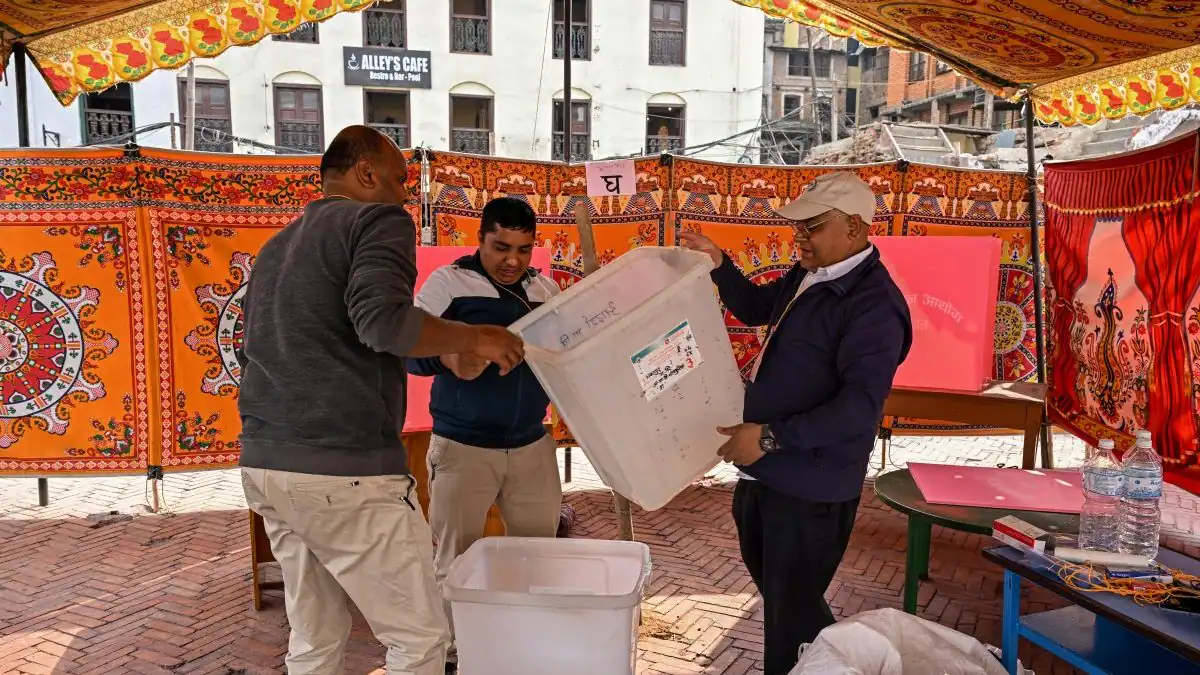
Some results are expected later Friday, but full nationwide tallies could take several days.
Even then, negotiations to form a government may drag on if – as many analysts predict – no single party secures an outright majority.
Sushila Karki, the interim prime minister, praised the peaceful conduct of a vote she has said was critical in “determining our future”.
Voters have chosen who replaces the interim government in place since the September 2025 uprising, in which at least 77 people were killed, and parliament and scores of government buildings were torched.
Youth-led protests under a loose Gen Z banner began as a demonstration against a brief social media ban, but were fed by wider grievances at corruption and a woeful economy.
End of Article