It is important to remember that this number is only an estimate. It is based on limited data available so far and uses several assumptions and extrapolations.
Because of this, the figure is likely to be revised later when more complete data becomes available. In addition, future revisions will also reflect the shift to a new gross domestic product (GDP) series that uses 2022–23 as the base year. Despite these limitations, the estimate still matters because it becomes the foundation for the government’s Budget calculations.
According to the CNBC-TV18 outlook poll, India’s real GDP growth for FY26 is expected to come in at 7.5%, while nominal GDP growth is estimated at around 8.3%.
The Reserve Bank of India (RBI) is slightly more cautious, projecting real GDP growth of about 7.3% for the year. Given that the economy has already recorded average growth of around 8% so far, a growth rate above 7% for the full year appears reasonable.
In last year’s Budget, the government had assumed nominal GDP growth of a little over 10% for FY26. However, the actual size of the economy in 2024-25 (FY25) turned out to be larger than what was earlier estimated. As a result, these changes are unlikely to significantly disrupt the overall Budget arithmetic.
So why is the advance GDP estimate so important?
This number serves as the starting point for all Budget calculations. The government uses the FY26 GDP estimate as a base, assumes a certain growth rate for 2026-27 (FY27), and then builds the entire Budget framework around those assumptions. These figures influence how much tax revenue the government expects to collect, how large the fiscal deficit will be, and how much it can afford to borrow.
Also Read | Budget flexibility hinges on nominal growth this year, economists caution
At this stage, nominal GDP becomes especially important. Budget calculations are not based on real GDP numbers adjusted for inflation, but on nominal GDP. The nominal growth figure for FY26 will shape revenue projections for FY27 and determine how much fiscal room the government has for spending.
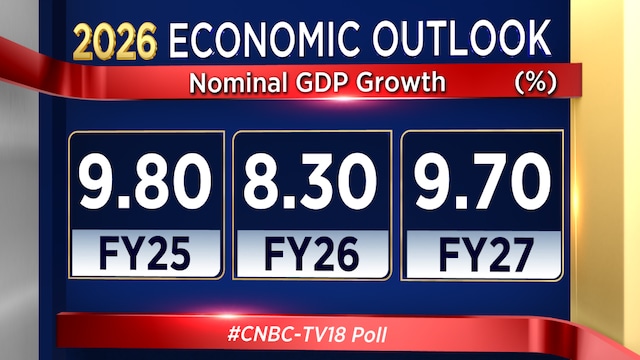
If GDP growth turns out to be lower, it could lead to weaker tax collections and tighter Budget choices in the coming year. On the other hand, a stronger growth number would give the government more flexibility—allowing for higher spending, more capital expenditure, or easier deficit targets.
In short, while the advance GDP estimate may change later, it plays a crucial role in setting the tone for the Union Budget and the government’s fiscal strategy for the year ahead.
For more details, watch the accompanying video