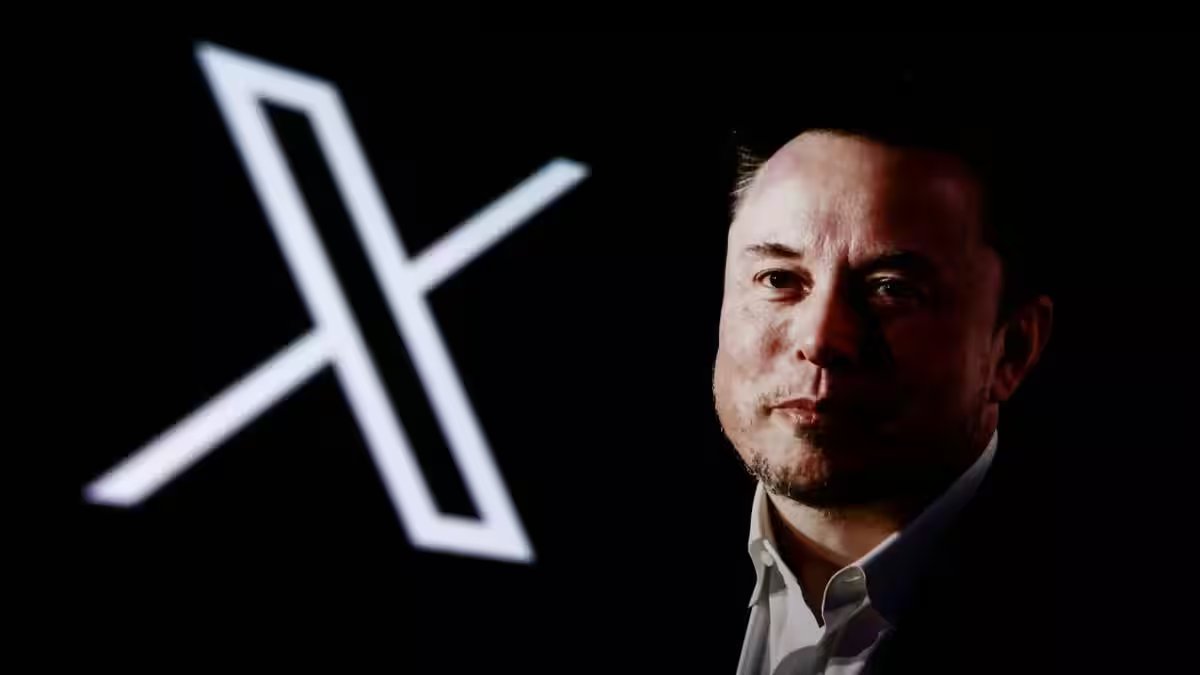
Elon Musk’s X has appealed a €120 million European Commission fine under the Digital Services Act, challenging EU digital content rules and setting up a landmark court battle over Big Tech regulation and free speech.
Elon Musk’s social media platform, X, has officially escalated its confrontation with the European Union by filing an appeal against a €120 million ($140 million) fine. The penalty, imposed by the European Commission in December in one of the first major enforcement actions under the bloc’s stringent new digital content regulations.
On Friday, X’s global government affairs team confirmed the legal challenge, setting the stage for a high-stakes courtroom battle in the EU’s top court.
The “superficial” investigation argument
In a public statement, X’s global government affairs team said in a post “This EU Decision resulted from an incomplete and superficial investigation,”.
The European Commission which slapped the fine on X in December for breaking its digital content rules told AFP it was aware of the appeal and “ready to defend its decision in court”. The platform argues that the Commission failed to account for the complexities of content moderation at scale and overlooked the technical measures X has implemented to comply with regional laws.
The fine was originally triggered by alleged systemic failures in curbing illegal content and disinformation. However, Musk’s legal team contends that the EU’s executive branch rushed its findings to make an example of the platform. This appeal is not just about the financial penalty; it is a strategic pushback against what X perceives as regulatory overreach and a lack of procedural fairness.
Brussels stands firm on digital enforcement
The European Commission remains undeterred by the appeal. In a brief response to AFP, the Commission stated it was fully aware of X’s legal manoeuvre and expressed readiness to “defend its decision in court.” This confidence stems from the Digital Services Act (DSA) which grants the EU broad powers to police Big Tech platforms operating within its borders.
For the Commission, the €120 million fine serves as a litmus test for the effectiveness of the DSA. If the court upholds the penalty, it will solidify the EU’s position as the world’s most aggressive tech regulator. Conversely, if X succeeds in highlighting procedural flaws, it could force Brussels to rethink its investigative methods for future cases involving other tech giants like Meta or Google.
A defining moment for platform governance
This legal clash represents more than a financial dispute; it is a fundamental disagreement over the “rules of the road” for the internet. As X pushes for a more “absolutist” approach to free speech, the EU remains committed to a regulated digital space where platforms are held legally accountable for the harm caused by their algorithms.
The outcome of this appeal will likely define the relationship between Silicon Valley and European regulators for the next decade, determining whether the EU can truly enforce its digital sovereignty against the world’s most powerful tech moguls.
End of Article