Pakistan’s rare-earth show-and-tell from 2025 didn’t land a seat at the US Global Minerals Conference happening in Washington on February 4. India’s S Jaishankar is set to attend the meet
The United States has not invited Pakistan to the Global Minerals Conference on February 4 in Washington, even as India’s External Affairs Minister S Jaishankar is all set to attend.
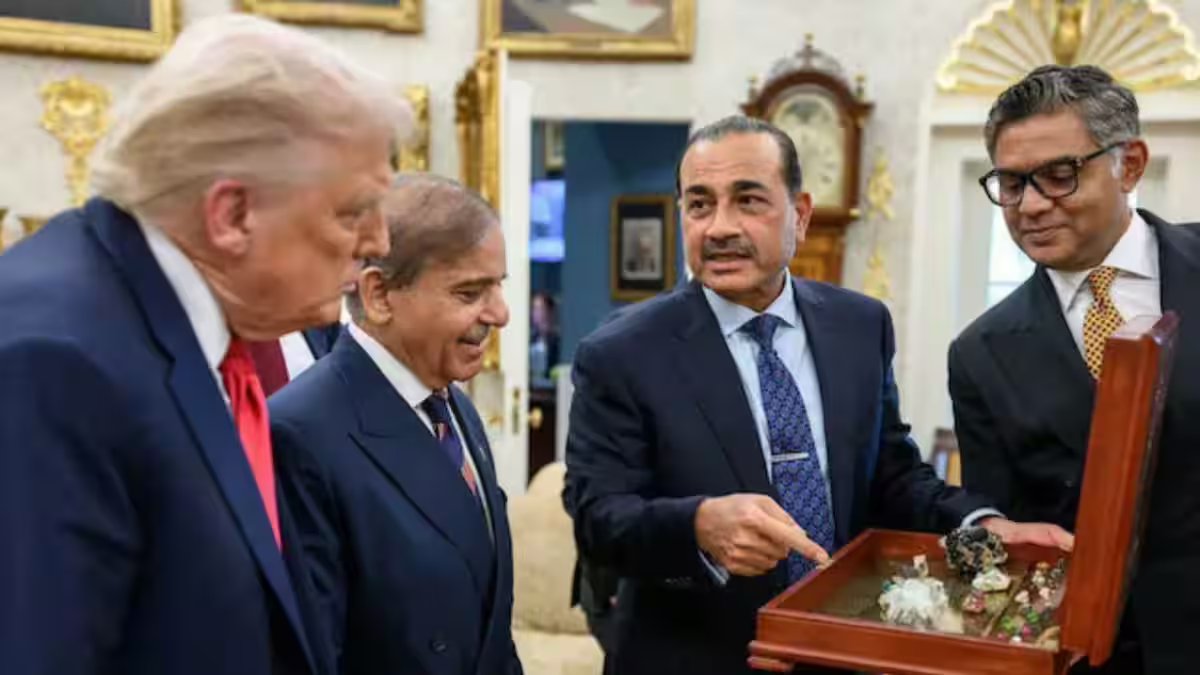
The irony is hard to miss, especially considering Islamabad’s months-long efforts to catch Washington’s eye with its rare-earth minerals. Last year, Prime Minister Shehbaz Sharif and Army Chief Asim Munir personally
presented a box of rare earths to Donald Trump at the White House, a rather unsubtle signal that Pakistan was eager to position itself as a key player in the global minerals market.
Dangling the ‘minerals’ carrot
So, how exactly did Pakistan try to make its case? Over the past year, it has been showcasing its reserves of rare earths and other strategic minerals as an alternative supply source, at a time when the US and its allies are keen to reduce reliance on China.
Army Chief Munir, along with other officials, repeatedly emphasised Pakistan’s mineral potential, while Islamabad also floated
potential partnerships with American mining companies. The goal was to be recognised as a credible and serious player in the emerging global minerals race.
Yet, despite these high-profile efforts, Pakistan was excluded from the invite list, while India will have a seat at the table.
Beyond minerals
This isn’t just about rocks in the ground. Pakistan’s outreach reflects a calculated attempt to pivot from decades of security-focused relations with the US toward economic geostrategy. With an estimated $6 trillion in untapped reserves and a $500 million deal with US Strategic Metals, Islamabad aimed to demonstrate its relevance in global efforts to diversify supply chains away from China.
However, there’s a reliability gap.
US policymakers view mineral offerings through a wider lens, weighing political stability, policy continuity, and the ability to deliver long-term projects. Frequent political churn, civil-military tensions, and uncertainties over investment protections have undermined confidence.
End of Article