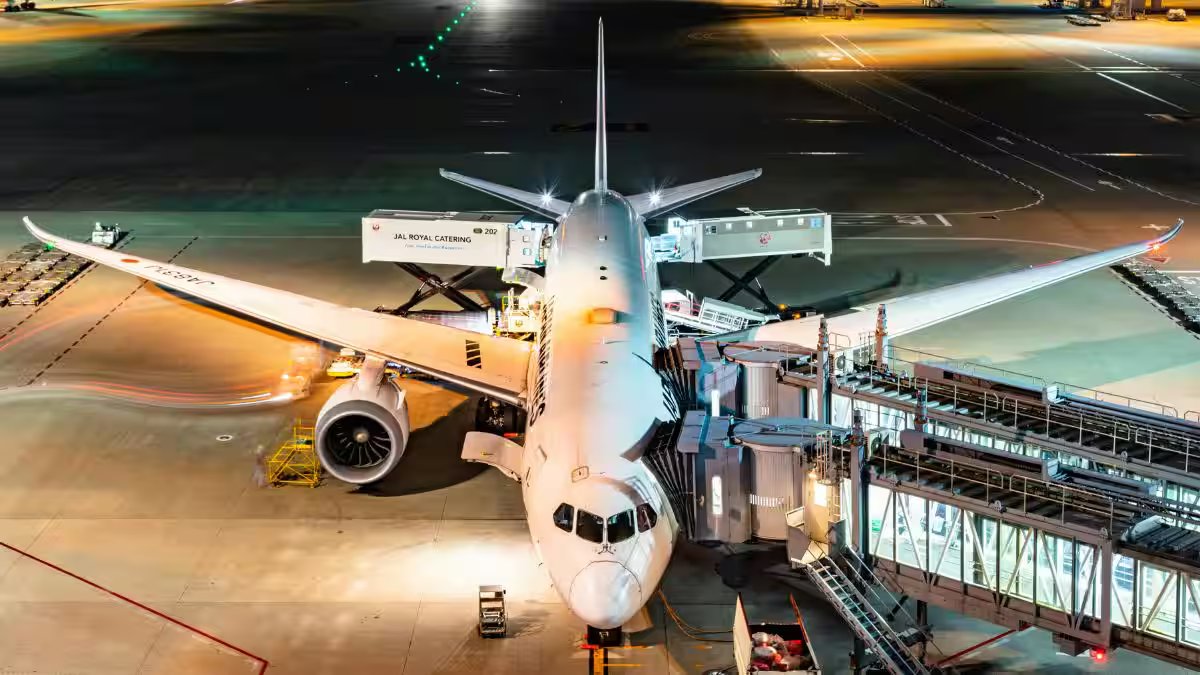
Travel between India and London has been severely disrupted as regional instability in the Middle East forces airlines to abandon traditional flight paths.
The international aviation corridor between India and the United Kingdom has entered a period of severe disruption, leaving hundreds of travellers facing an exhausting choice between exorbitant fares and gruelling travel times. Recent escalations in regional instability, specifically the conflict involving Iran and Israel, have forced a drastic reconfiguration of flight paths.
This geopolitical tension has resulted in a near total disappearance of direct services from major Indian hubs such as Delhi, Mumbai, and Hyderabad, creating a massive supply and demand imbalance that has sent ticket prices for the remaining non stop seats into an unprecedented stratosphere.
Significant price surges on direct routes
For those seeking to fly from New Delhi to London Heathrow on March 6, the digital booking landscape is remarkably bleak. The only remaining direct option is a Virgin Atlantic service departing in the early morning hours, which commands a staggering one way fare exceeding 9.12 lakh rupees.
While this ten hour journey remains the fastest way to reach the British capital, the price tag makes it inaccessible for the vast majority of passengers. The alternative for most is a marathon journey involving at least one stopover, typically through hubs like Dubai. These indirect flights are priced much more reasonably at approximately 44,000 rupees, yet they come at the cost of endurance, with total travel times stretching to nearly 26 hours.
Challenges for Mumbai and southern hubs
The situation is equally dire for passengers departing from Mumbai. Direct flights have essentially vanished from the schedules, forcing travellers onto connecting services. Emirates remains a primary provider for these journeys via Dubai, with prices starting around 28,000 rupees.
However, the logistical hurdles are significant, as layovers and redirected flight paths mean many passengers are spending upwards of 30 hours in transit. This shift reflects the broader challenges airlines face when navigating restricted airspace, as the need to avoid conflict zones necessitates longer, more complex routings that stretch both crew and aircraft resources to their limits.
Government response and relief operations
The Indian government is actively monitoring the situation as it unfolds across the Middle East, particularly following military strikes involving the US, Israel, and Iran. According to the Ministry of Civil Aviation, Indian carriers have made calibrated adjustments to their schedules, with long haul and ultra long haul services gradually resuming through alternative routings that avoid restricted airspace.
The ministry further noted that aircraft and crew repositioning efforts are underway to restore operational normalcy at the earliest. To assist those caught in the crossfire of these cancellations, IndiGo has scheduled 10 special relief flights from Jeddah to India on March 3 to facilitate the return of stranded passengers, subject to necessary approvals and prevailing airspace conditions.
Impact on foreign carriers and future travel
International airlines operating between India and various Gulf destinations are currently maintaining only limited services, with their schedules dictated by the daily feasibility of safe flight paths. Aviation authorities are currently coordinating with Indian missions abroad and foreign regulators to ensure that the movement of citizens remains as orderly as possible under these strained circumstances.
Until the airspace over the Middle East stabilises and carriers can return to their traditional flight paths, travellers should expect continued volatility in both pricing and availability for all UK bound services.
End of Article