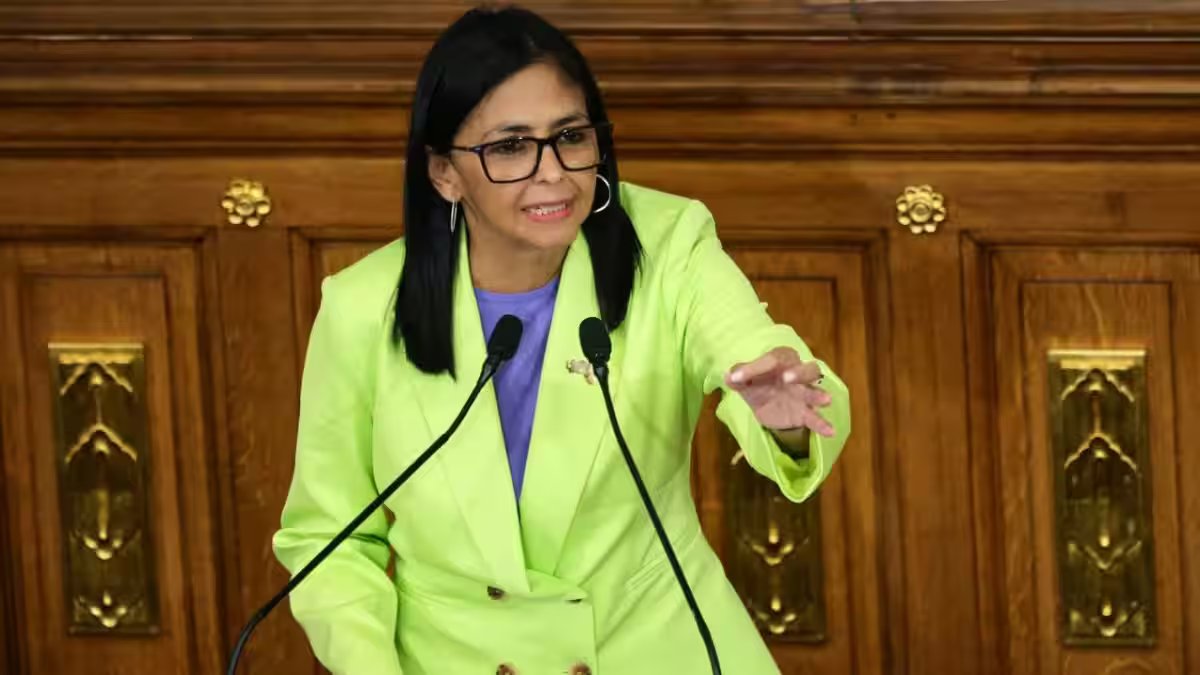
Venezuela’s new leader is wasting little time settling into power, reshuffling key posts and tightening control even as rifts inside her own camp grow and pressure from Washington hangs over an already shaky political transition
In the days since the United States abruptly removed longtime leader Nicolás Maduro from power, Venezuela’s interim president,
Delcy Rodríguez, has been moving quickly to solidify her authority in a country torn by internal rivalries and economic turmoil.
Rodríguez, 56, who served as Maduro’s vice president and oil minister, stepped into the top role after a dramatic
US special forces operation captured Maduro and flew him to the United States on drug-trafficking charges.
With Maduro out of the picture, Rodríguez has not only assumed the presidency but is now trying to manage a fractured political system while balancing the demands of Washington, which has been pushing for expanded oil production and broader cooperation on security issues.
Appointments and power plays
Since taking charge, Rodríguez has been reorganising the government to bring trusted allies into key posts. Most notably, she named Major General Gustavo Gonzalez as head of the military counterintelligence agency DGCIM, a move seen as aimed at limiting the influence of powerful rivals within the security apparatus.
“She is very clear that she doesn’t have the capacity to survive without the consent of the Americans,” a source close to the government told Reuters, suggesting that Rodríguez is relying on US backing as a foundation of her rule.
The reshuffle also includes appointing a new central banker and reorganising other top positions that directly impact Venezuela’s oil sector, a critical part of the country’s economy and a central focus of trump-led
US stabilisation efforts.
Tensions with powerful rivals
Despite these moves, Rodríguez faces deep resistance from within her own ranks, especially from Diosdado Cabello, the interior minister and head of the powerful PSUV party. Cabello, a former soldier with strong ties to both the military and the notorious colectivos—armed motorcycle gangs—remains a formidable figure.
Rodríguez’s efforts to tighten control come amid concern that Cabello’s allies could undermine her leadership or even mobilise forces to create instability.
End of Article