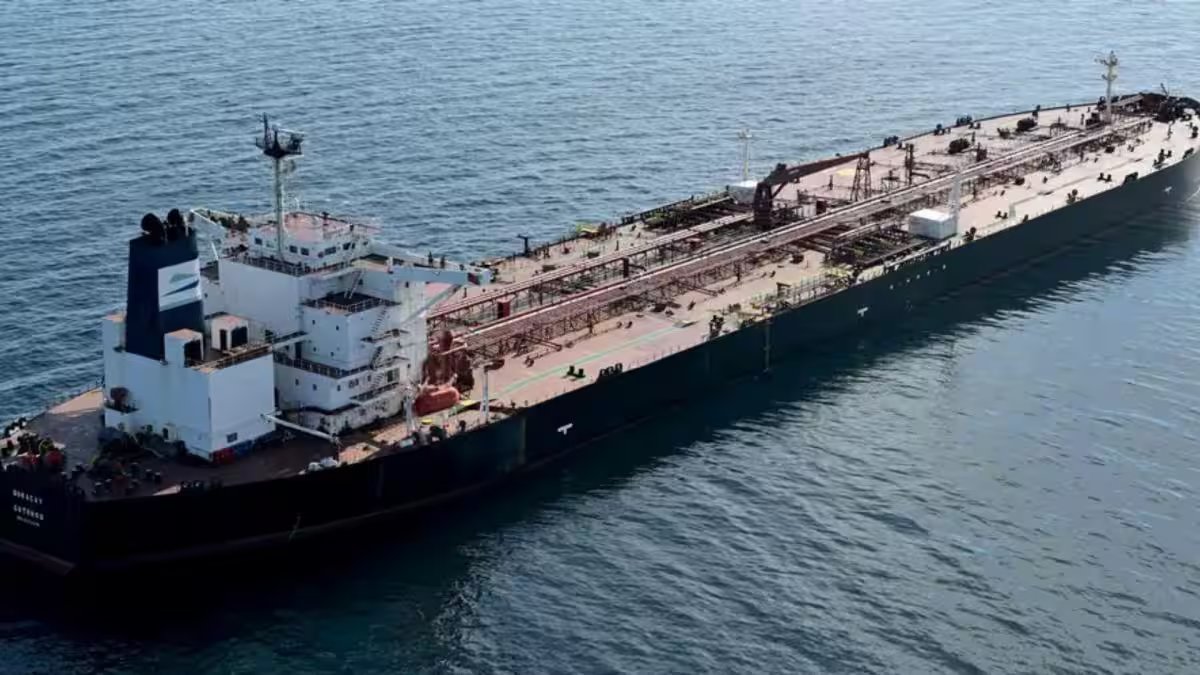
Desperate for state protection against a wave of US seizures, dozens of “shadow fleet” tankers are abandoning flags of convenience to fly under Russian jurisdiction—raising the stakes of global maritime conflict.
In a dramatic shift across the high seas, dozens of “dark fleet” oil tankers are abandoning traditional flags of convenience to re-register under Russian jurisdiction. The move, described by maritime analysts as a desperate bid for state protection, comes as the United States and its allies intensify efforts to seize vessels bypassing international sanctions.
The trend picked up pace in December 2025, following the US seizure of the supertanker Skipper off the coast of Venezuela. Fearful of similar enforcement actions, shadow fleet operators—who transport sanctioned oil from Russia, Iran, and Venezuela—are betting that Moscow’s sovereign protection will act as a deterrent against Western boarding parties.
A sudden surge in registration
According to figures from Starboard Maritime Intelligence, at least 26 vessels have re-registered in Russia since early December. The scale of the “flag-hopping” is unprecedented: 18 of those registrations occurred in December alone. By comparison, only 15 vessels had made the switch over the entire five-month period preceding the surge.
“The story is really a persistent, global reflagging of dark-fleet tankers,” Mark Douglas, a maritime domain analyst at Starboard Maritime Intelligence, told DW News. “It’s unlikely to stop at this number.”
Geopolitical stakes and state protection
While tankers typically use “flags of convenience” from nations like Panama or the Cook Islands to avoid regulation, those registries offer little defense against US naval or Coast Guard intervention. By flying the Russian tricolor, owners are shifting the conflict from a regulatory dispute to a potential state-level confrontation.
“This may offer a new potential solution for the illicit dark-fleet networks, but it also raises the stakes. It underscores that sanctions evasion is no longer just a maritime compliance problem, but a strategic challenge involving state protection and geopolitical risks,” Charlie Brown, a senior adviser at United Against Nuclear Iran (UANI) told Bloomberg.
The risks were recently highlighted during the chase of the Bella 1 (renamed Marinera). After being pursued by US forces, the crew painted a Russian flag on the hull in an attempt to signal sovereign protection. Despite the tactic, and reports of a Russian naval escort being dispatched, the vessel was ultimately intercepted near Iceland.
What are the long-term risks for Russia?
While the tactic provides a temporary shield, observers warn it could create significant long-term liabilities for Moscow. By bringing hundreds of ageing, poorly maintained, and uninsured tankers under its direct jurisdiction, Russia assumes responsibility for any environmental disasters or collisions these “zombie ships” might cause.
Furthermore, “flag-hopping” undermines the legitimacy of Russia’s own merchant marine. If the trend continues, the global maritime community may begin viewing the Russian flag itself as a primary indicator of illicit activity.
End of Article