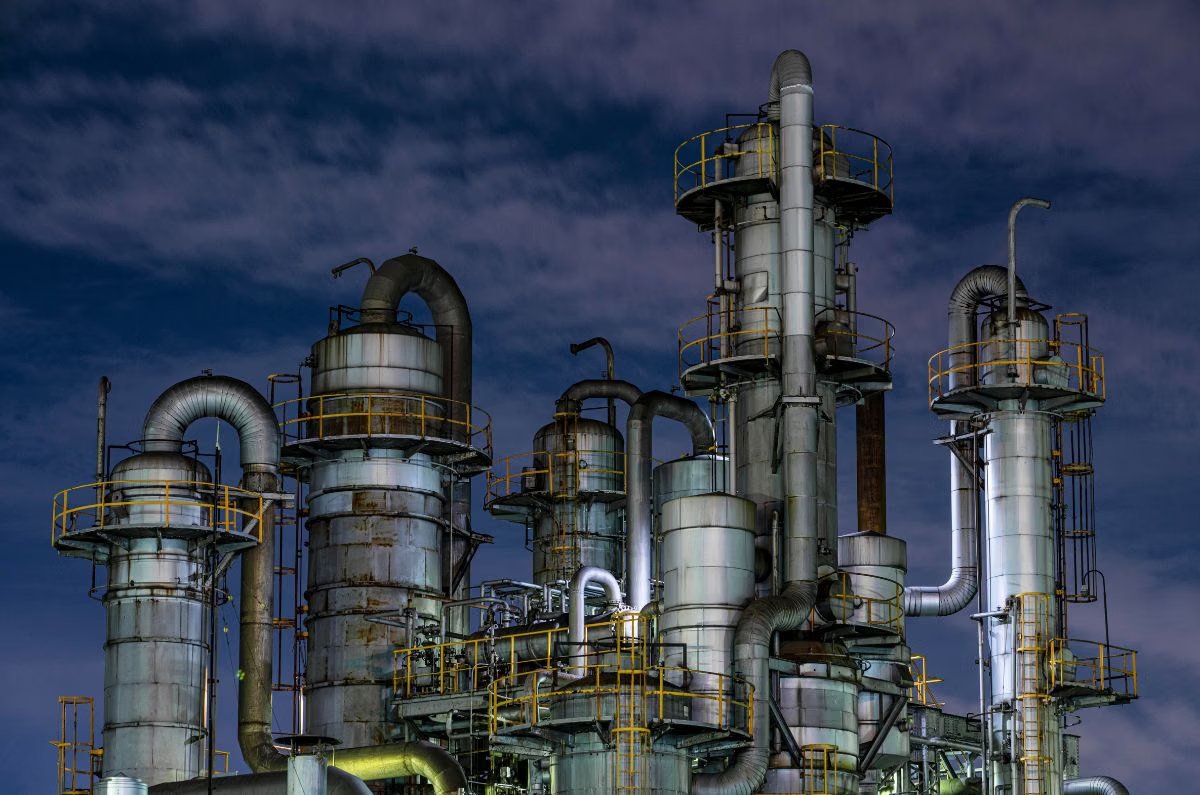
Crude oil prices surged 29 percent on Monday (March 3, 2026) on account of the ongoing conflict in the Middle East, hitting $119.50 per barrel as per a Reuters report. The conflict involving Iran, Israel, the United States of America and several Gulf Cooperative Council (GCC) nations has intensified over the past week, impacting the shipment of crude oil and its related petroleum products.
- Iraq and Kuwait have cut oil production
- Saudi Arabia and UAE likely to cut production soon
- Likelihood of escalation and constrained shipment will impact prices
- Qatar has reportedly suspended LNG supply
Why is the Middle East conflict impacting crude oil trade?
The Strait of Hormuz is a major naval route for oil shipments originating in the Middle East, with a fifth of the entire world’s crude oil passing through it. The Strait averaged about 20 million barrels of oil each day in the first quarter of 2025, as calculated by the U.S. Energy Information Administration.
With the conflict escalating since the beginning of March, oil trade from the region is now witnessing instability, leading to Iraq and Kuwait reducing their oil production. GCC nations including Saudi Arabia and the United Arab Emirates are also expected to follow suit soon. All of this means that the price of Brent crude has risen by 29 percent ($119.50 per barrel) and that of U.S. West Texas Intermediate (WTI) by 31.4 percent ($119.48 a barrel). Meanwhile, a Reuters report stated that Qatar has temporarily suspended its liquefied natural gas (LNG) shipment.
Qatar supplies LNG to multiple markets including Europe an India, with the GCC nation’s annual production capacity amounting to 77 million tonnes. Asian markets (including India) are reliant on Middle Eastern crude oil, and any disruptions in its movement between ports will impact prices. Furthermore, the soft closure of the Strait of Hormuz by Iran threatens naval traffic which, along with strikes on petroleum refineries in the region, means that crude oil prices are likely to surge in the near future.