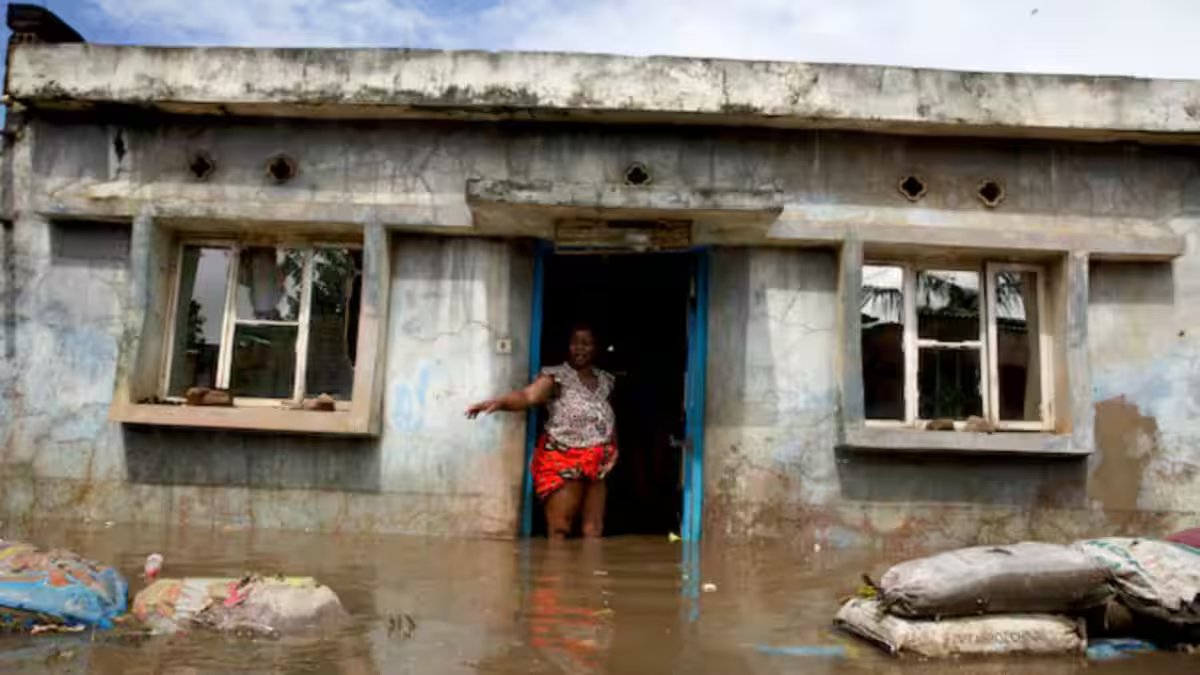
A new analysis links last month’s deadly floods in southern Africa to a potent mix of climate change and La Niña, with scientists warning that warmer oceans are driving far more intense downpours across the region.
A new study has revealed that the combination of climate change and recurring La Niña weather conditions triggered the disastrous floods that swept across parts of southern Africa in recent weeks.
The floods, which began in December, have claimed at least two hundred lives and disrupted the lives of hundreds of thousands across Mozambique, South Africa, Zimbabwe and Eswatini. Researchers describe the devastation as the result of a “perfect storm” brought about by rising global temperatures and natural oceanic phenomena.
Increasing intensity of rainfall
According to the report by World Weather Attribution (WWA), the severity of the rainfall events in the region has increased by about forty per cent since the preindustrial era. This rise is attributed to the warming of ocean waters due to greenhouse gas emissions, which has created conditions for heavier and more frequent downpours.
In many places, rainfall over a few days exceeded what is normally recorded in an entire year. Rivers burst their banks, damaging infrastructure and forcing wildlife reserves such as South Africa’s Kruger National Park to close for repairs worth millions of dollars.
Role of La Niña and changing oceans
La Niña, a cyclical phenomenon marked by the temporary cooling of the Pacific Ocean’s central and eastern regions, has historically brought wetter conditions to parts of southern Africa. However, in this instance, the effect has been magnified by warmer global sea temperatures.
The World Meteorological Organization noted that these altered ocean conditions are increasing the likelihood of extreme weather events, including both floods and droughts. WWA experts explained that La Niña now operates within an atmosphere containing greater moisture, thereby intensifying rainfall when storms occur.
Climate change amplifying disasters
Scientists involved in the study warned that human-induced climate change is reshaping weather patterns across the world, with Africa bearing the brunt of many extremes. Izidine Pinto, a senior climate researcher at the Royal Netherlands Meteorological Institute and one of the study’s co-authors, emphasised that the continued reliance on fossil fuels is making heavy rainfall events more intense and destructive.
Pinto said that what were once seasonal storms have evolved into far more damaging catastrophes. Researchers urged immediate action to cut emissions, improve disaster preparedness and invest in resilient infrastructure to avert similar tragedies in the future.
End of Article