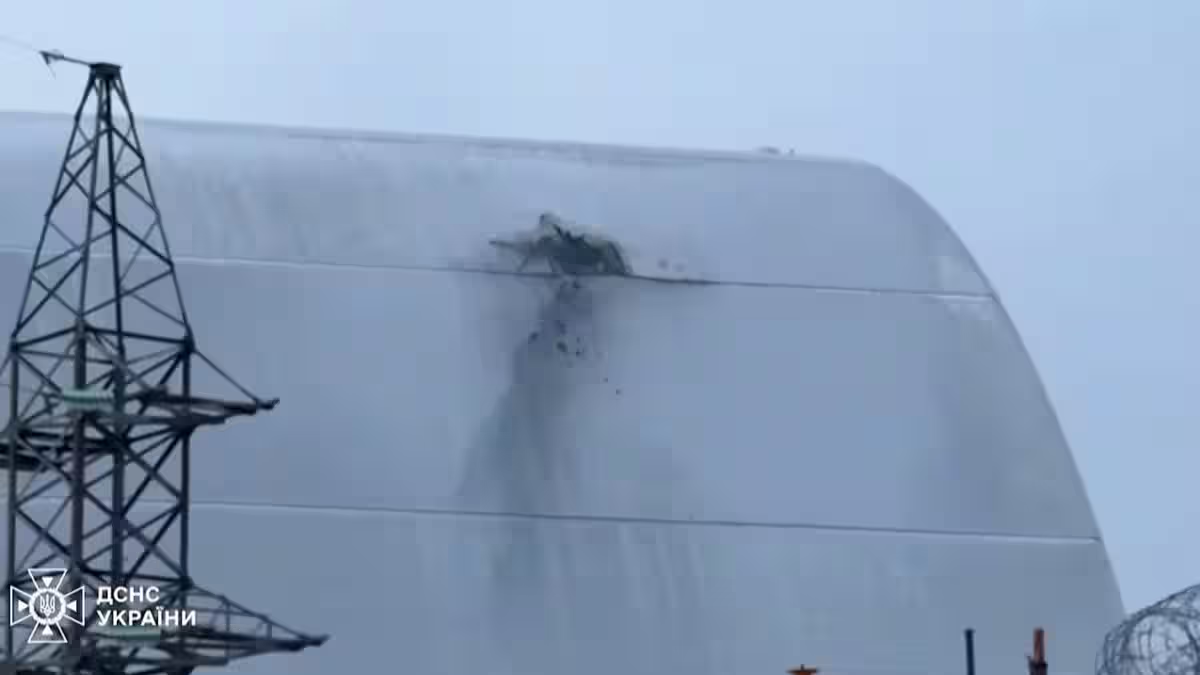
The damage stems from a drone reportedly carrying a high explosive warhead, which Ukrainian authorities stated struck the plant and caused a fire
The massive protective structure built to contain the fallout from the 1986 Chornobyl disaster is no longer fully performing its main safety function due to damage sustained in a drone strike, the International Atomic Energy Agency (IAEA) reported on Friday.
The UN nuclear watchdog confirmed that an inspection of the New Safe Confinement (NSC), the colossal steel arch covering the destroyed Reactor Number Four, found that a strike three years into the conflict had compromised the protective cladding. Ukrainian authorities have attributed the February attack to Russia, though Moscow has denied any involvement.
IAEA Director General Rafael Grossi stressed on the immediate impact of the strike on the critical structure, which was completed in 2019 to seal radioactive material from the atmosphere. “The inspection mission confirmed that the (protective structure) had lost its primary safety functions, including the confinement capability,” Grossi said in a statement.
He clarified that while the integrity was compromised, the inspection also found “no permanent damage to its load-bearing structures or monitoring systems.”
The damage stems from a drone reportedly carrying a high explosive warhead, which Ukrainian authorities stated struck the plant and caused a fire. Despite the structural damage to the protective layer, the UN confirmed that radiation levels at the site remain normal and stable, with no reports of leaks.
Grossi stressed that while initial repairs have been completed, ensuring the long-term integrity of the NSC requires further action.
“Comprehensive restoration remains essential to prevent further degradation and ensure long-term nuclear safety,” he added, showing just how important it is to keep the shield in place at the site, which Russia briefly took over during the early days of the 2022 invasion.
The inspection was carried out simultaneously with a country-wide survey by the IAEA to assess damage to crucial electricity substations caused by the ongoing war. The 1986 explosion at Chornobyl remains the
world’s worst nuclear disaster, and the plant’s last working reactor was closed in 2000.
End of Article