Bangladesh’s 13th parliamentary election has reset the country’s politics following the 2024 uprising that ousted Sheikh Hasina and ended Awami League rule. BNP, led by Tarique Rahman, is set to form the government, while rivals struggled to match its sweeping mandate.
Bangladesh’s 13th parliamentary election — the first since the 2024 student-led uprising that toppled Sheikh Hasina and ended more than 15 years of Awami League rule — has delivered a decisive political reset.
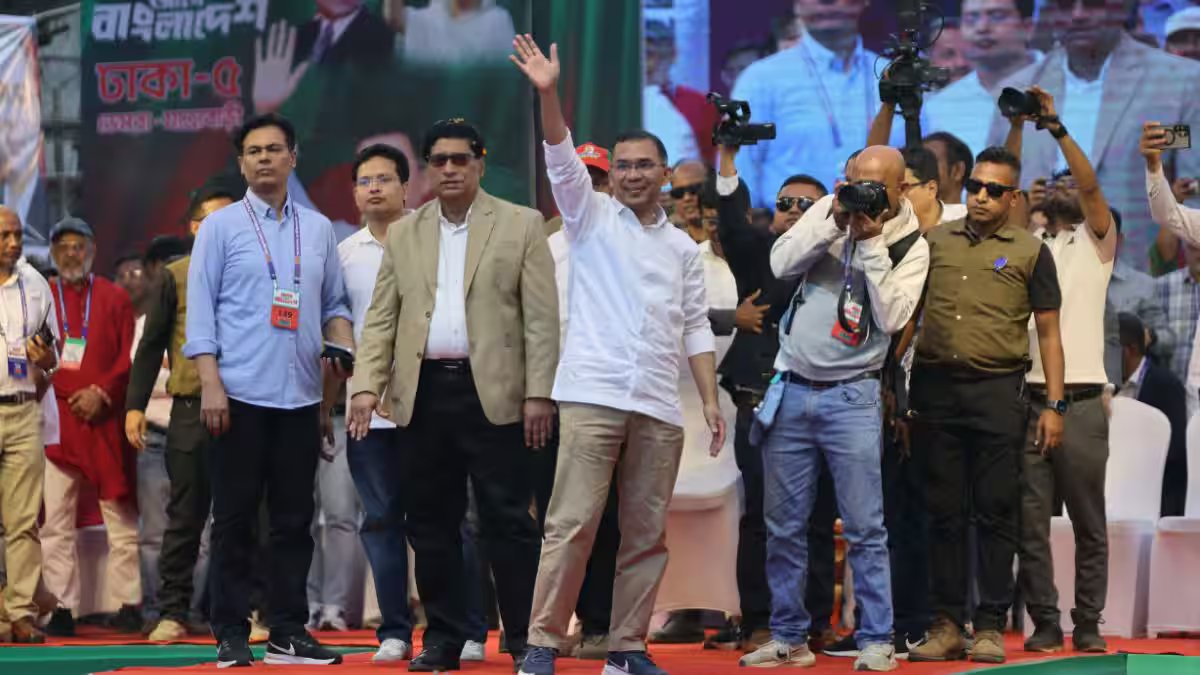
With the Awami League barred from contesting and the interim administration completing its 18-month tenure, the election became a direct contest among forces that had risen from the turbulence of the past two years. At the centre of this reshaped landscape is the Bangladesh Nationalist Party (BNP), returning after boycotting the last national poll and now led by Tarique Rahman, who came back from nearly two decades in exile weeks before campaigning intensified.
Jamaat-e-Islami, long regarded as a hardline party, sought to project a more inclusive image, promising justice-based governance and outreach to women and minorities. It contested as the principal force in an 11-party alliance that included the National Citizen Party (NCP), formed by youth activists central to the 2024 uprising.
The outcome, however, has drawn clear lines: the BNP is poised to form the next government with a commanding majority, Jamaat has fallen short of expectations despite emerging as a major opposition force, and the student bloc that helped reshape Bangladesh’s politics has struggled at the ballot box. At the same time, voters endorsed the July National Charter in a parallel referendum.
BNP: comeback after boycott, dominant mandate
The BNP appears set for a sweeping win, positioning Tarique Rahman to become Bangladesh’s first male prime minister in 35 years. For a party that boycotted the previous election and spent years in opposition, its return in the first post-Hasina poll has been emphatic.
Multiple tallies showed the BNP comfortably crossing the 151-seat majority mark in the 300-member Jatiya Sangsad. Provisional results indicated Rahman won from both Dhaka-17 and Bogura-6. Reuters placed the BNP and its allies above 212 seats, while other media estimates showed the party well past the majority threshold.
Striking a restrained tone, the BNP asked supporters to avoid victory rallies and instead hold special prayers nationwide.
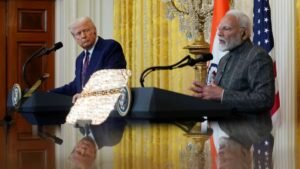
Prime Minister Narendra Modi, Pakistan Prime Minister Shehbaz Sharif and the US Embassy in Dhaka were among those who congratulated Rahman, with Washington describing it as a “historic victory”.
With the Awami League barred and its voter base fragmented, a significant section of that electorate appears to have shifted to the BNP. The party’s manifesto — centred on job creation, farmer support and relief for marginalised households — resonated with voters seeking stability after prolonged unrest.
Jamaat-e-Islami: rebranding attempt, limited breakthrough
Jamaat entered the election with renewed visibility after years of political isolation and legal challenges. It attempted a rebranding exercise, promising minority rights, accountability and inclusive governance, and even fielded its first Hindu candidate.
Through its 11-party alliance, Jamaat hoped to translate its role in anti-Hasina mobilisation into parliamentary gains. Early campaign signals suggested momentum, but that advantage faded as the BNP’s organisational strength gathered pace.
Many young voters, women and minority communities ultimately shifted towards the BNP. Even sections of Awami League supporters who chose to participate gravitated away from Jamaat.
Tallies showed Jamaat and its allies securing around 69 seats. Party chief Shafiqur Rahman conceded defeat while expressing dissatisfaction with aspects of the process. Despite falling short of its ambitions, Jamaat now appears set to become the principal opposition force — an unprecedented position in its history.
NCP: from protest vanguard to electoral setback
The National Citizen Party (NCP), led by activists who were instrumental in the 2024 uprising, entered the race with high visibility. Aligning with the Jamaat-led alliance, it contested 30 seats.
However, local media reported that the NCP won just five seats — a sharp reversal for a group many expected to emerge as a significant new force. The transition from street mobilisation to electoral politics exposed organisational weaknesses. As the campaign progressed, many young and first-time voters consolidated behind the BNP, viewing it as the only viable alternative capable of governing.
July National Charter gets voter nod
Alongside parliamentary voting, citizens participated in a referendum on the 84-point July National Charter reform agenda. A majority backed the proposal, giving agitators-turned-political actors a symbolic endorsement of their reform platform, even as their electoral performance lagged.
India’s outreach
Prime Minister Narendra Modi congratulated Tarique Rahman on his victory and reaffirmed India’s commitment to strengthening ties between the two neighbours with “deep-rooted historical and cultural ties”.
In a post on X, Modi said he looked forward to working with the new leadership to advance peace, progress and prosperity for both countries.
The election marks not only the BNP’s return to power but also a broader recalibration of Bangladesh’s political order — shaped by upheaval, realignment and a clear voter mandate for change.
End of Article