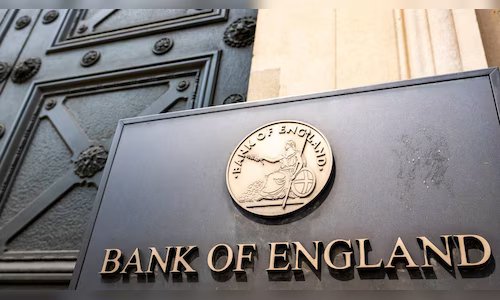
Thursday’s decision by the nine-member rate-setting body was widely anticipated, though some economists thought there was a chance that borrowing rates would be reduced by a further quarter of a percentage point.
The vote was tight though, with five voting for unchanged rates and four backing a cut.
“We still think rates are on a gradual path downwards, but we need to be sure that inflation is on track to return to our 2% target before we cut them again,” said Bank Governor Andrew Bailey.
The main reason why rates were kept on hold is that the annual rate of consumer price inflation is standing at 3.8%, nearly double the bank’s 2% target.
With inflation set to fall in coming months and possibly back to the target next year, the members of the Monetary Policy Committee are operating somewhat blind ahead of the budget on November 26.
Treasury chief Rachel Reeves has put the country on notice that taxes will likely have to be raised in the budget, which could have a depressing effect on an already moribund economy and therefore prices. She has also indicated that one of the key missions of her budget will be to get inflation lower.
Also Read: India’s real estate set for $10 trillion leap by 2047, driven by tier-II & III cities: Colliers–CII

