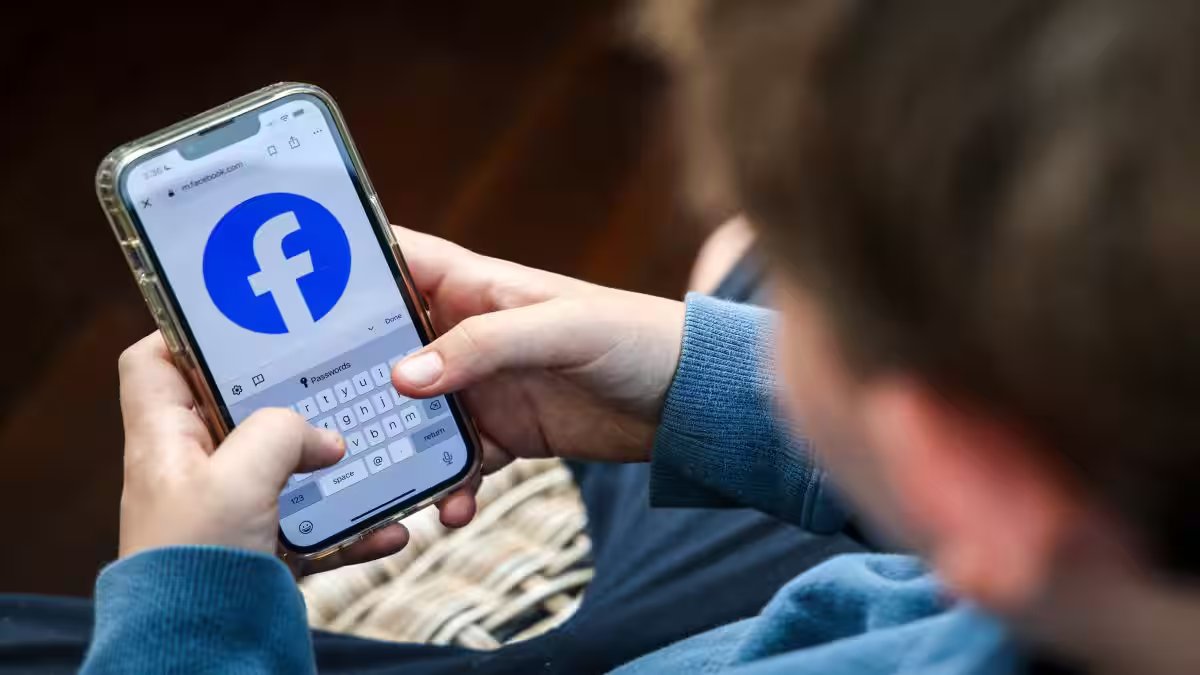
Tomorrow (December 10), the world’s attention will turn to Australia. The reason: the country is doing what no other nation is doing — freezing out a whopping 2.8 million young people out of their accounts, as part of their social media ban for under-16s.
For those who may not have heard or seen this news, Australia is about to become the first major democracy to impose a
ban on social media access for those under the age of 16. When this ban comes into effect tomorrow, platforms such as TikTok, Instagram, YouTube, Reddit and Twitch, will be required to remove existing under-16 accounts and block the ability to create new ones.
While most teens are preparing for this legislation to kick in and for them being forced to go cold turkey, there are others who are looking to skirt the ban, whichever way possible.
Here’s what we found.
Worried about the harmful effects of social media,
Australia introduced a legislation, prohibiting children under the age of 16 from such platforms, which will come into effect on December 10.
As per the legislation, parents and children wouldn’t be penalised. Instead social media platforms would have to take “reasonable steps” to ensure account-holders were at least 16 years old, or face fines of up to Aus$49.5 million for the most serious breaches.
However, the legislation has stated that there would be some exemptions to the ban. While Facebook, Instagram, Snapchat and TikTok are covered, as are streaming platforms including Kick and Twitch, other popular apps and websites such as Roblox, Pinterest and WhatsApp are currently exempt.
The government said platforms would be exempt if they had the primary purpose of:
• Messaging, emailing, voice calling or video calling
• Playing online games
• Sharing information about products or services
• Professional networking or professional development
• Education
• Health
• Communication between educational institutions and students or their families
• Facilitating communication between providers of healthcare and people using those providers’ services
It’s not clear yet, how tech companies will follow through with Australia’s social media ban, but it has been suggested that most will use age assurance technology.
The Guardian in one of its reports noted that it is expected Australia will follow a similar path for age assurance that launched in the UK in July, which includes options such as, allowing banks and mobile providers to confirm a user is over 18; asking site users to upload a photo that is then matched with photo ID; and use of facial age estimation technology.
In addition to that, platforms could infer user ages based on account behaviour or age. For example, if you signed up for Facebook in 2009, you would be over 16 by now. YouTube has flagged it will use artificial intelligence to determine user ages.
Unsurprisingly, Australia’s ban has evoked mixed reactions. While many parents, politicians and even a few teens hailed the move, tech companies, thousands of youngsters and even child experts opposed it.
On the eve of the ban coming into effect, Australian Prime Minister Anthony Albanese noted that young teenagers will soon be spared from “endless” scrolling online. He also made a last-ditch pitch to convince hundreds of thousands of Australian adolescents the contentious laws were for their own good.
This is about keeping kids safe online. pic.twitter.com/ABGbVmLFkP
— Anthony Albanese (@AlboMP) December 7, 2025
“From December 10 if you’re under 16 you’re no longer allowed to have a social media account,” he said in a video message. “You’ll know better than anyone what it’s like growing up with algorithms, endless feeds and the pressure that can come with that. That’s why we’ve taken this step to support you.”
Many tech companies, however, have spoken out against the ban. Online discussion site Reddit called it “legally erroneous”. “While we disagree about the scope, effectiveness, and privacy implications of this law, as of December 10, we’re making some changes in line with these requirements,” the company said, adding: “By limiting account eligibility and putting identity tests on internet usage, this law undermines everyone’s right to both free expression and privacy, as well as account-specific protections.”
Why are many sceptical about the success of Australian ban?
However, not everyone is convinced that Australia will find success and that’s because teenagers are already devising ways to skirt the ban. In fact, in many online forums, teens are already discussing easy workarounds, suggesting the ban may be more symbolic than effective.
The primary anticipated evasion tactics include the use of
Virtual Private Networks (VPNs) to mask a person’s geographic location, making it appear as if they are accessing the service from an unrestricted country, and simply lying about their age during the account sign-up process.
Even Australian parents note that their children will learn ways to evade the social media ban. Chantelle Ansell, a mother of two from the New South Wales Mid North Coast, told The Nightly, “As a single mum of two teenagers, I don’t think a ban will necessarily stop kids from using social media — they’re smarter than we often give them credit for, and they’ll just move to other platforms or find a way around it.
“I’ve already spoken to a few friends about this and we all feel the same: kids adapt quickly. So, while I understand the intention behind the ban, I’m not convinced it will stop kids accessing social media — it may just change how they do it, or push it further out of sight.”
Thirteen-year-old Isobel revealed to BBC that she had already outsmarted the ban and got herself back on Snapchat. “I got a photo of my mum, and I stuck it in front of the camera and it just let me through. It said thanks for verifying your age,” Isobel said.
Other tips have also flooded social media; they include signing up with a parent’s email or simply using an elder’s phone to sign into the apps. Some have also suggested moving to platforms not explicitly named on the government’s list of banned sites, for instance Discord.
In fact, as a France24 report stated lesser-known apps and websites such as Yope and Lemon8 have surged in popularity ahead of the ban, as Australian adolescents try to evade it.
What comes next?
While Australia gears up for this moment, other countries are also looking on to see if such a ban can indeed be imposed. Malaysia, for example, said that it also plans to bar under-16s from accessing social media platforms starting next year.
Meanwhile, other countries are considering less drastic ways to control teenagers’ social media use. Britain has the Online Safety Act, which sets tougher standards for social media platforms, including age restrictions to block minors from accessing harmful content.
Denmark and France have also passed laws pertaining to social media use for those under 15. Both countries need parental permission for under-15s to get access to social media apps. In Germany, minors between the ages of 13 and 16 are allowed to use social media only if their parents provide consent.
Only time will tell if Australia is indeed successful in their social media ban. But as some question: Should we police really be policing social media?
With inputs from agencies
End of Article