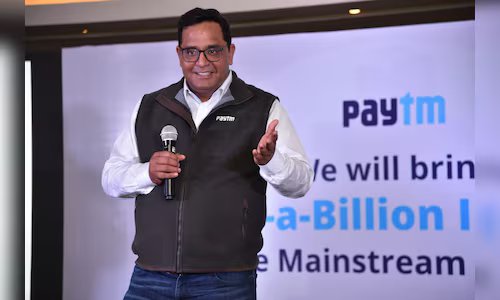
In an interview, the Paytm founder argued that AI will not hollow out India’s services economy. Instead, it will expand it.
“Those saying BPO jobs will disappear need to answer why they think BPO only means call centre jobs,” Sharma said.
“If Europe needs healthcare professionals, not everyone will get a visa. But the computers and signals being put there can allow our BPOs to become global healthcare providers.”
He drew a parallel with the mobile revolution. STD booths vanished, but telecom and app ecosystems created far larger industries.
“Whenever new technology comes, there are questions about upgradation,” he said. “AI increases possibilities for more jobs.”
This runs counter to the prevailing anxiety that AI will automate away India’s IT and outsourcing workforce.
India’s BPO sector employs over 5 million people. The shift, Sharma suggests, is from voice-based call centres to AI-enabled remote services, healthcare support, underwriting analysis, and compliance processing, delivered from India to the world. But jobs are only one piece of the shift.
The AI aid: From wealth advice to underwriting and credit