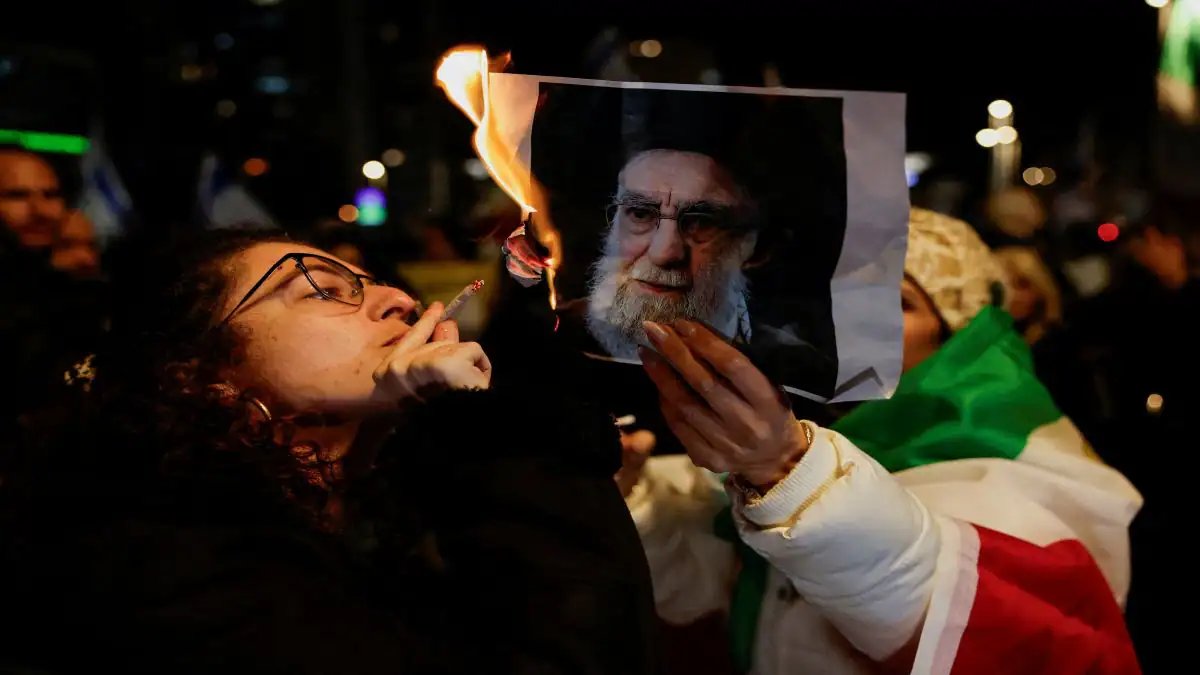
Activists claim Iran is quietly executing jailed protesters and disguising some deaths as protest casualties, deepening global concern over Tehran’s crackdown on dissent amid one of its most brutal nationwide protests. Human rights groups call for urgent international action
Activists and rights groups are sounding the alarm on a disturbing development inside Iran’s prison walls: that authorities are executing detained protesters in custody and falsely presenting some of those deaths as occurring during street protests, according to advocacy groups monitoring the crisis.
The claims come amid a
brutal nationwide crackdown that began in late December 2025 after anti-government demonstrations erupted over economic hardship and discontent with the ruling theocratic system. Official figures on casualties remain contested, Tehran reported around 3,117 deaths, while independent groups say the real toll could be far higher.
‘Quietly executing’ detainees, activists say
Human rights advocates say Iranian authorities have been conducting secret executions of protesters arrested during the unrest. One case cited by rights groups involves Erfan Soltani, a 26-year-old shopkeeper detained during protests. Activists claimed Soltani was sentenced to death without a proper trial and scheduled for execution, though independent verification has been difficult due to
internet blackouts inside Iran. “His only crime was shouting for freedom for Iran,” one group wrote on social media.
Reports also suggest that bodies of detainees killed in custody are being presented as casualties of street clashes, a tactic activists say is meant to mask the scale of repression. Access to reliable information is severely limited because of state-imposed internet shutdowns and restrictions on independent reporting.
Families report extortion and lack of transparency
In some cases, families seeking the remains of their loved ones say they have been forced to pay hefty sums—reportedly $5,000 to $7,000—to retrieve bodies from authorities, according to a United Nations expert.
Human rights advocates argue that such executions and cover-ups amount to serious violations of international law. They warn that without increased global pressure, Iran could intensify its use of the death penalty as a tool of political repression.
International reactions have been mixed but increasingly critical. Rights groups and foreign governments have urged Tehran to uphold due process, end arbitrary executions and restore access to independent media. Yet Iranian authorities maintain that actions against protesters are legal responses to “rioters” and “foreign-backed saboteurs,” dismissing external criticism.
End of Article