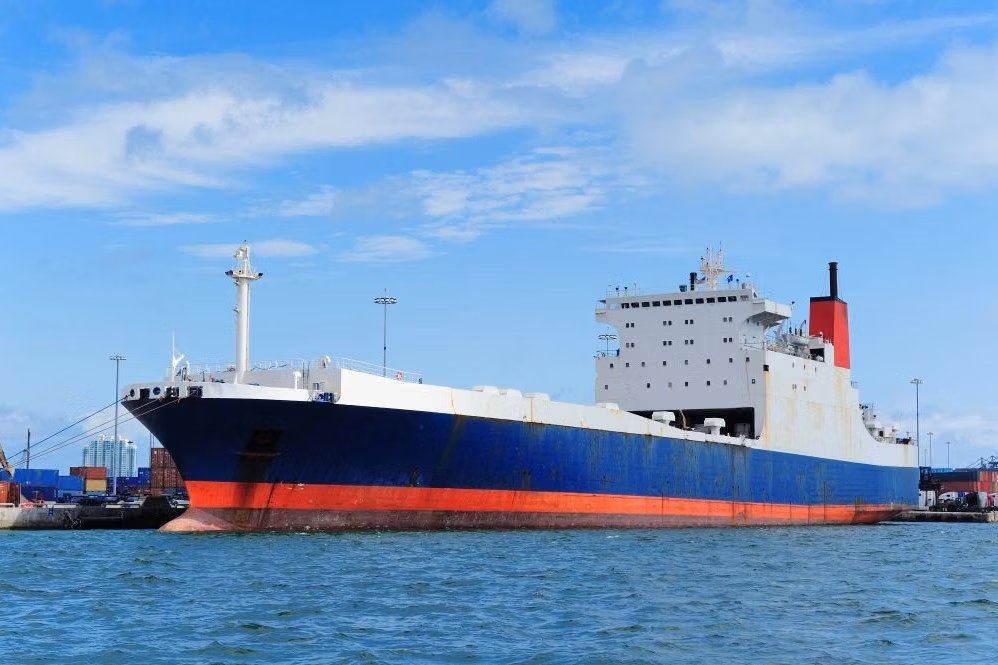
Oil prices have jumped sharply and are expected to remain elevated as global energy markets react to disruptions in tanker traffic through the Strait of Hormuz, owing to the ongoing conflict between the United States, Israel, and Iran. The Strait of Hormuz is a narrow waterway at the mouth of the Persian Gulf and is crucial to global oil trade, so disruptions there can quickly ripple through supply chains and increase prices everywhere.
- Brent crude prices increase to roughly 80 USD per barrel
- Oil vessels reportedly at standstills in the vicinity of the Strait of Hormuz
- Prices could surpass 100 USD per barrel if shipping disruptions continue
Strait of Hormuz disruption drives global oil price hikes
According to Reuters, the US-Israel-Iran conflict has led to a near 10 percent surge in Brent crude prices – the global benchmark – to around 80 USD (Rs 7,313) a barrel, reaching multi-month highs, as traders priced in heightened risks to supply. Moreover, prices could move higher – potentially exceeding 100 USD (Rs 9,147) a barrel – if normal tanker flows through the Strait of Hormuz are not restored.
Concerns about safety have prompted major shipping firms and oil traders to suspend shipments, and vessel traffic through the strait has heavily slowed down too. Tankers have been reported holding in nearby waters rather than transiting the waterway. Insurers are also signalling higher risk, with some preparing to cancel or significantly raise premiums for vessels operating in the Gulf region, which could further deter shipping through the strait.
Exporters in the Gulf region – Saudi Arabia, Iraq, the UAE, Qatar, and the like – are particularly vulnerable to disruption risks on the Strait of Hormuz, as they rely heavily on the waterway to reach various global markets, including India. Roughly half of India’s total oil imports – approximately 2.5-2.7 million barrels a day – pass through the Strait of Hormuz.
OPEC+ (Organisation of the Petroleum Exporting Countries) members have already agreed to boost output modestly in April, but the additional barrels are unlikely to immediately counterbalance supply risks linked with the strait’s disruption. Until normal levels of commercial tanker traffic are assured, energy markets are likely to remain on edge, with prices reflecting both current disruptions and the risk of further supply bottlenecks.