Exporters, particularly those dealing in perishable goods, are bearing rising costs as uncertainty over shipping routes and vessel movements persists.
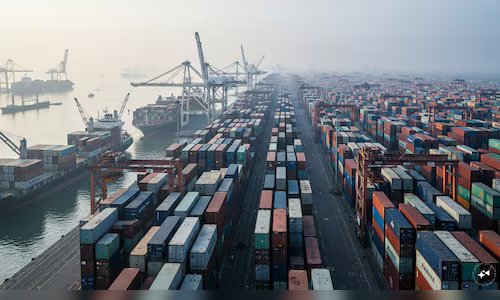
According to sources, containers carrying items such as grapes, onions and other fruits and vegetables have been parked and plugged in at JNPT to maintain refrigeration at an additional cost of approximately ₹8,000 per container per day.
If the disruption continues, exporters may be forced to offload containers at the port, which would entail an added expense of ₹5,000-6,000 per container, the sources said.
For now, exporters are monitoring the situation closely, hoping for clarity over the next 48 to 72 hours.
Read more: Iran Israel war live updates
Industry participants warn that if conditions do not improve within the next two to three days, consignments of perishable goods may have to be recalled to avoid spoilage and mounting financial losses.
The bottlenecks come against the backdrop of heightened tensions in West Asia following the ongoing military confrontation involving the United States, Israel and Iran.
The conflict has triggered airspace closures, shipping route uncertainties and insurance concerns across key trade corridors, affecting global logistics flows.
JNPT, India’s largest container port, handles a substantial share of the country’s export-import traffic, making it particularly vulnerable to disruptions in global maritime movements.
Exporters say prolonged uncertainty could have ripple effects on freight rates, shipment schedules and fresh produce supply chains.
The Horticulture Produce Exporters Association has requested APEDA (Agriculture and Processed Food Products Export Development Authority) that the government should bear the additional cost of parking and plugging in containers stuck at the port.
The association claims that APEDA has assured that it will instruct the respective state government to do the needful.