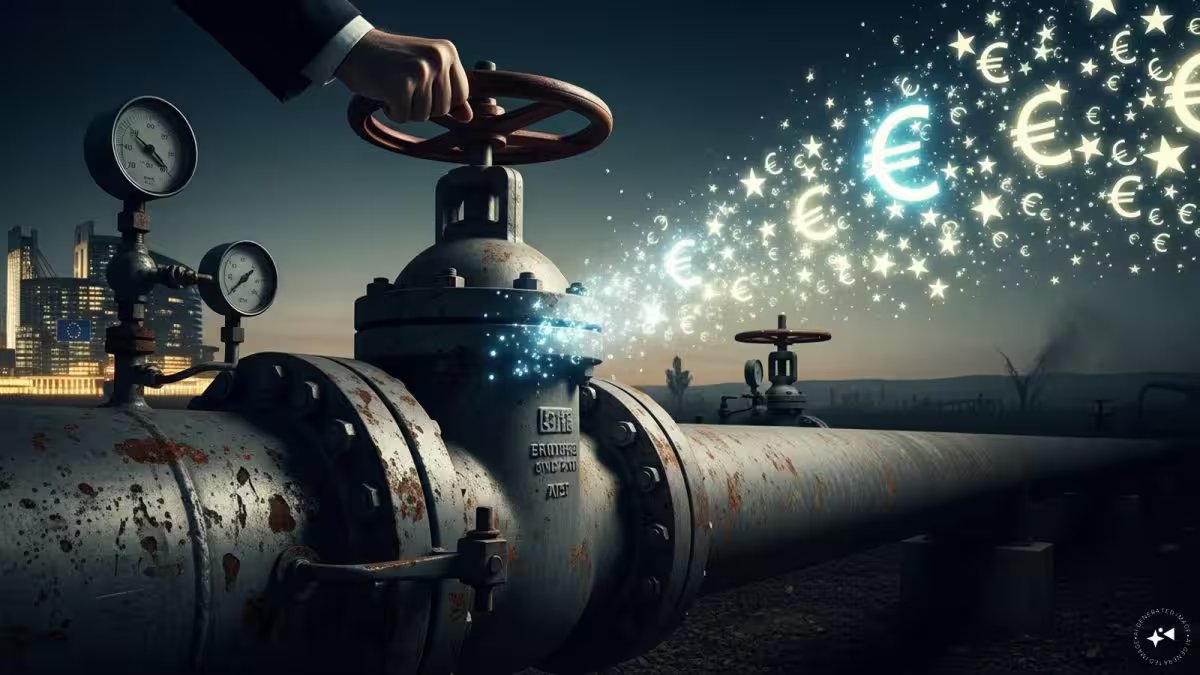
Hungary says it will block a €90 billion EU loan for Ukraine until Russian oil flows resume through the Druzhba pipeline, escalating tensions with Kyiv ahead of the war’s fourth anniversary.
Hungary has said it will veto a planned 90-billion-euro European Union loan package for Ukraine unless Russian crude deliveries through the Druzhba pipeline are restored, according to Foreign Minister Péter Szijjártó.
Oil shipments from Russia to Hungary and Slovakia have been halted since January 27 after Ukrainian authorities said a Russian drone strike damaged the Druzhba pipeline, a key route transporting Russian crude across Ukrainian territory into Central Europe.
Hungary and Slovakia — both granted temporary exemptions from the EU’s ban on Russian oil imports — have accused Ukraine, without presenting evidence, of intentionally delaying the resumption of supplies. In response to the disruption, both countries suspended diesel exports to Ukraine earlier this week.
In a video posted on social media on Friday evening, Szijjártó alleged that Ukraine was “blackmailing” Hungary by not restarting oil transit. He announced that Budapest would block the substantial interest-free loan approved by the EU in December to support Kyiv’s military and economic requirements over the next two years.
“We will not give in to this blackmail. We do not support Ukraine’s war, we will not pay for it,” Szijjártó said. “As long as Ukraine blocks the resumption of oil supplies to Hungary, Hungary will block European Union decisions that are important and favorable for Ukraine.”
Hungary’s move came two days after suspending diesel shipments to Ukraine and just ahead of the fourth anniversary of Russia’s full-scale invasion, which began on February 24, 2022.
While most European countries have sharply reduced or completely ended their reliance on Russian energy since the outbreak of war, Hungary and Slovakia — both members of the European Union and NATO — have continued, and in some cases expanded, their imports of Russian oil and gas.
Hungary’s nationalist Prime Minister Viktor Orbán has long argued Russian fossil fuels are indispensable for its economy and that switching to energy sourced from elsewhere would cause an immediate economic collapse — an argument some experts dispute.
Widely seen as the Kremlin’s biggest advocate in the EU, Orbán has vigorously opposed the bloc’s efforts to sanction Moscow over its invasion, and blasted attempts to hit Russia’s energy revenues that help finance the war. His government has frequently threatened to veto EU efforts to assist Ukraine.
On Saturday, Slovakia’s populist Prime minister Robert Fico said his country will stop providing emergency electricity supplies to Ukraine if oil is not flowing through the Druzhba by Monday. Orbán’s chief of staff, Gergely Gulyás, said earlier this week that Hungary, too, was exploring the possibility of cutting off its electricity supplies to Ukraine.
Not all of the EU’s 27 countries agreed to take part in the 90-billion-euro loan package for Kyiv. Hungary, Slovakia and the Czech Republic opposed the plan, but a deal was reached in which they did not block the loan and were promised protection from any financial fallout.
With inputs from agencies
End of Article


