In one of his first comments after winning the elections last weekend, Rahman put special emphasis on fixing Bangladesh’s dwindling economy
Bangladesh’s Finance Minister Amir Khosru Mahmud Chowdhury has flagged that the country is “over-regulated” and that “serious deregulation is required” in order to get its economy straight.
“We have to liberalise and create a level playing field for every citizen to participate in the economy and reap the benefits,” Chowdhury said a day after Bangladesh’s Prime Minister Tarique Rahman and his Cabinet took oath after winning a landslide victory in the elections.
“We must address the decay of state institutions. We must ensure professionalism, transparency, and efficiency in the institutions. This is very important. In the absence of institutions, no programme will work properly,” he added.
In one of his first comments after winning the elections last weekend, Rahman put special emphasis on fixing Bangladesh’s dwindling economy. “We have very serious challenges to face … tackle the economy of the country … to ensure good governance,” Rahman told a media briefing.
Bangladesh economy
Joblessness, particularly among educated young people, continues to be a sensitive and deeply felt issue. The government’s job quota system, long criticised as opaque and inequitable, has fuelled public frustration. Hopes for stable public sector employment have clashed with perceptions of favouritism, transforming the employment question into a political flashpoint rather than a matter for substantive policy debate.
At the same time, soaring food inflation has placed heavy pressure on households. Prices of rice, edible oil, vegetables and pulses have risen sharply, steadily eating into real incomes. For low- and middle-income families, the cost of food has become the clearest and most immediate barometer of governance failure.
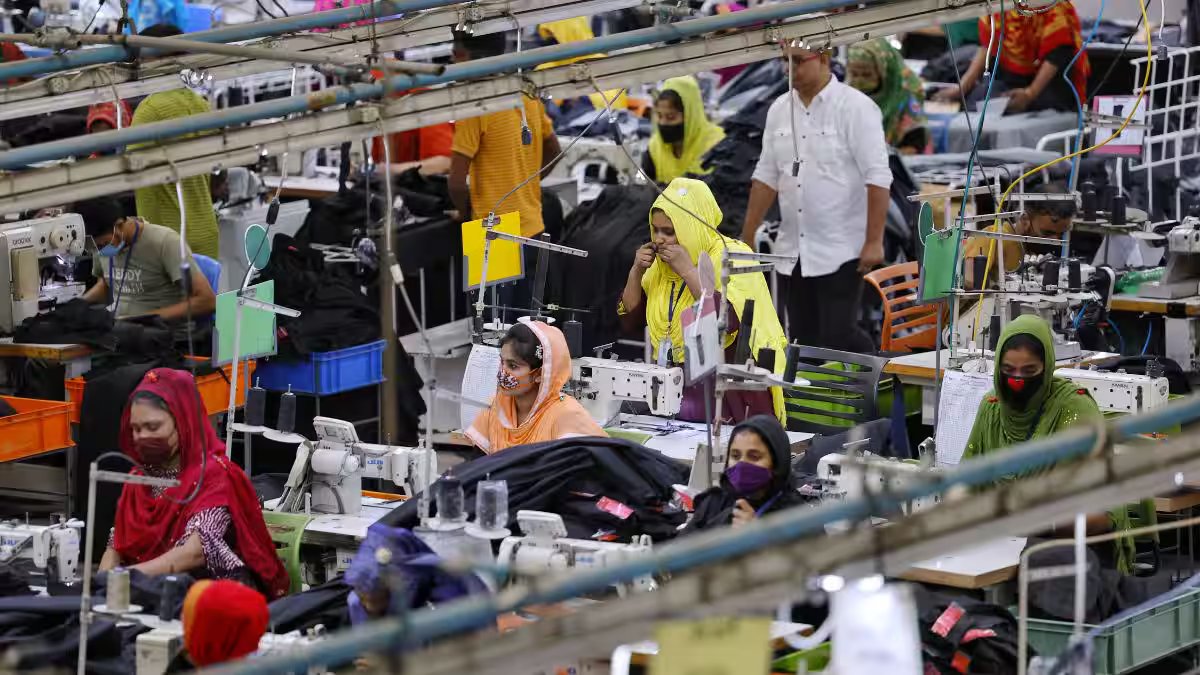
The ready-made garment industry, Bangladesh’s economic backbone, is under strain amid a global demand slowdown, wage disputes and rising input costs. Workers face job insecurity, while factory owners warn of shrinking margins, making labour rights and industrial policy a politically sensitive terrain.
US-Bangladesh trade deal
Just two days before the Bangladesh elections, the US cut a trade deal with the country, slashing its tariffs to
19 per cent, offering a welcome boost to Dhaka’s crucial garment industry. The pact, signed after more than nine months of negotiations, also includes special exemptions that could let certain apparel and textile products enter the US market duty-free, provided they’re made with US cotton or synthetic fibres.
The agreement marks a significant development after the US had in 2025 proposed much higher duties, initially up to 37 per cent, that were later eased to 20 per cent. That reduction had already provided some relief for exporters who depend on the United States for a large
share of their sales.
End of Article