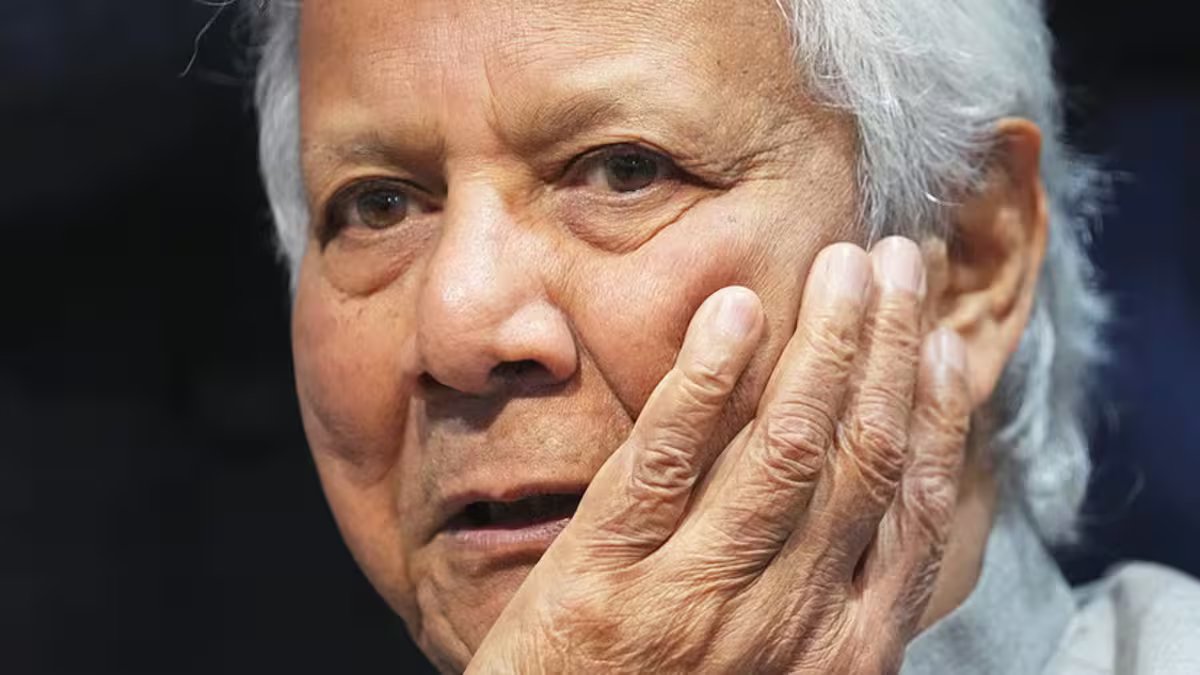
Outgoing Bangladesh interim chief Muhammad Yunus flags China ties and regional ambitions in exit speech, while stressing sovereignty and economic potential involving India’s Northeast, Nepal and Bhutan
Bangladesh’s outgoing interim chief adviser Muhammad Yunus delivered a farewell speech that has drawn attention both at home and abroad, mixing nationalist messaging with pointed references to regional geopolitics.
His remarks come as he steps down amid criticism over governance, minority protection and the pace of democratic restoration following the 2024 political upheaval.
‘Sovereignty’ message and India’s northeast reference
In his address,
Yunus emphasised Bangladesh’s independent foreign policy stance, saying the country had reclaimed its “sovereignty, dignity, and independence” and was “no longer guided by others’ directives.” His comments were widely interpreted as signalling a tougher posture toward regional powers, particularly India.
He also outlined a broader regional economic vision that included Nepal, Bhutan and India’s northeastern states, commonly called the “Seven Sisters.” “Our open seas are not just borders—they are gateways to the global economy. With Nepal, Bhutan, and the Seven Sisters, this region has immense economic potential. Economic zones, trade agreements, and duty-free market access can establish us as a global manufacturing hub,” he said.
Watch the video here:
#BreakingNews | Yunus’s exit interview is sparking a storm: He called India’s Seven Sisters “landlocked” and invited China to use Bangladesh as an “extension” to reach them#Bangladesh@_pallavighosh shares more details
Exclusive story: @manojkumargupta #Bangladesh… pic.twitter.com/vfyZuw4rzF
— News18 (@CNNnews18) February 16, 2026
The remarks suggested Bangladesh could position itself as a key economic gateway for the region, potentially reshaping connectivity dynamics that have traditionally centred on India.
China ties and strategic balancing
Yunus also highlighted strengthening ties with China, referencing progress on major projects. “We have also deepened cooperation with China. Significant progress has been made on the Teesta River project and a 1,000-bed international hospital in Nilphamari,” he said.
He framed these developments as part of a broader strategy to maintain balance in foreign relations while strengthening Bangladesh’s economic and strategic position globally.
Despite projecting confidence abroad, Yunus’ administration has faced criticism domestically, particularly over minority safety and law-and-order challenges during the interim period. Critics argue his farewell speech focused more on foreign policy ambitions than addressing internal concerns.
End of Article