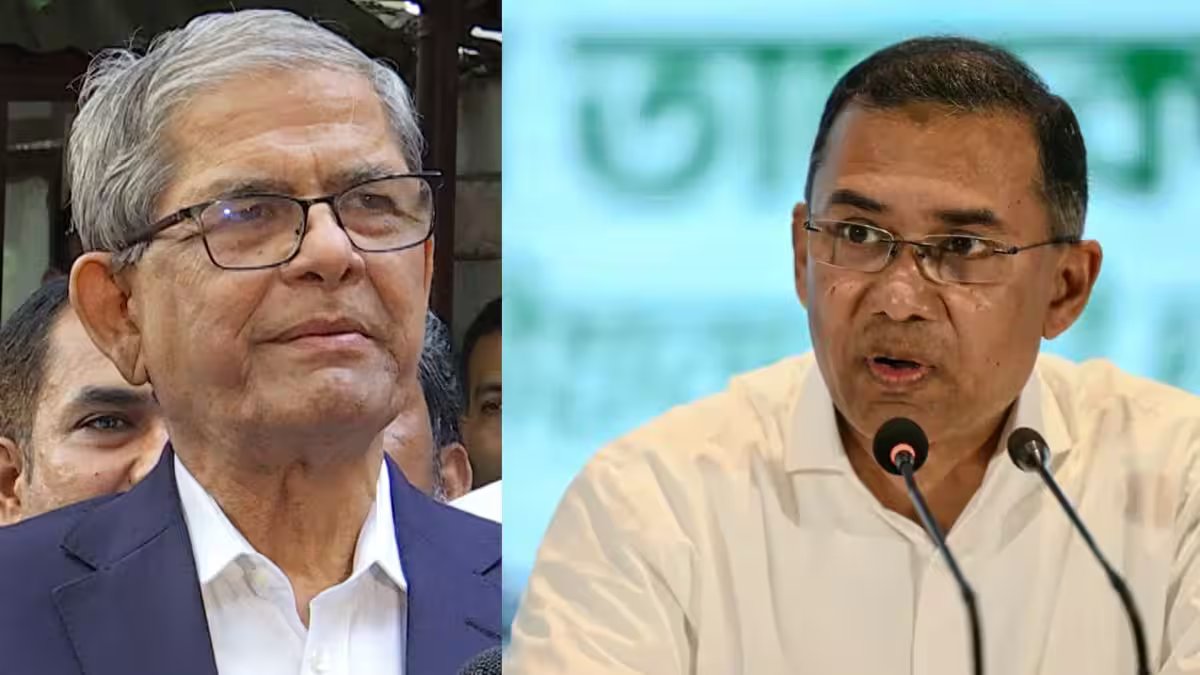
BNP leader Mirza Fakhrul said Bangladesh will seek Sheikh Hasina’s extradition but deepen India ties, as Tarique Rahman’s incoming government prioritises trade, diplomacy and regional stability over confrontation.
Bangladesh’s incoming government is signalling a pragmatic approach to India, making it clear that ties between the two neighbours will move forward, regardless of whether New Delhi agrees to extradite former prime minister Sheikh Hasina.
Mirza Fakhrul Islam Alamgir, secretary general of the Bangladesh Nationalist Party (BNP), said Dhaka will continue to pursue Hasina’s extradition through legal channels, but will not allow the issue to derail broader cooperation.
Hasina has been living in India since she was ousted from power in 2024.
“We believe that Hasina has really committed serious human rights violations. There is a popular demand to punish her, and we believe that India should hand her over to us. But not handing over Sheikh Hasina to Bangladesh will not be a deterrent to building broader relation including trade and commercial ties. We want to build even better ties,” Fakhrul told The Hindu.
Cooperation over confrontation
The message from BNP leadership is clear. Bangladesh wants cooperation, not confrontation. Fakhrul acknowledged differences but stressed that diplomacy and engagement must take priority over political grievances.
“America and China have many difficulties in bilateral ties, yet they are working with each other. We should not stick to just one issue in India-Bangladesh relations,” he said, urging both sides to focus on shared economic and development interests.
He also dismissed aggressive rhetoric, emphasising dialogue as the only viable path forward. “We can’t fight a war with India. We need to talk. Those who talk about fighting India are speaking like insane,” he added.
Trade, development and unresolved challenges
As the BNP prepares to assume power, Fakhrul pointed to multiple areas where cooperation with India could expand, including trade, digital infrastructure, technical education and workforce development. He noted that Bangladesh could benefit from India’s expertise in technical training, helping young people access overseas job opportunities.
At the same time, he acknowledged longstanding challenges, such as border killings and the renewal of key agreements like the Ganges water-sharing treaty. These issues, he suggested, would require sustained diplomatic engagement.
Fakhrul also highlighted the BNP’s historical role in maintaining ties with India, framing engagement as part of a broader “statesmanlike approach.”
With
Tarique Rahman set to lead the new government, the BNP appears to be balancing domestic political pressure over Hasina with a strategic need to maintain stable and productive relations with one of Bangladesh’s most important neighbours.
End of Article