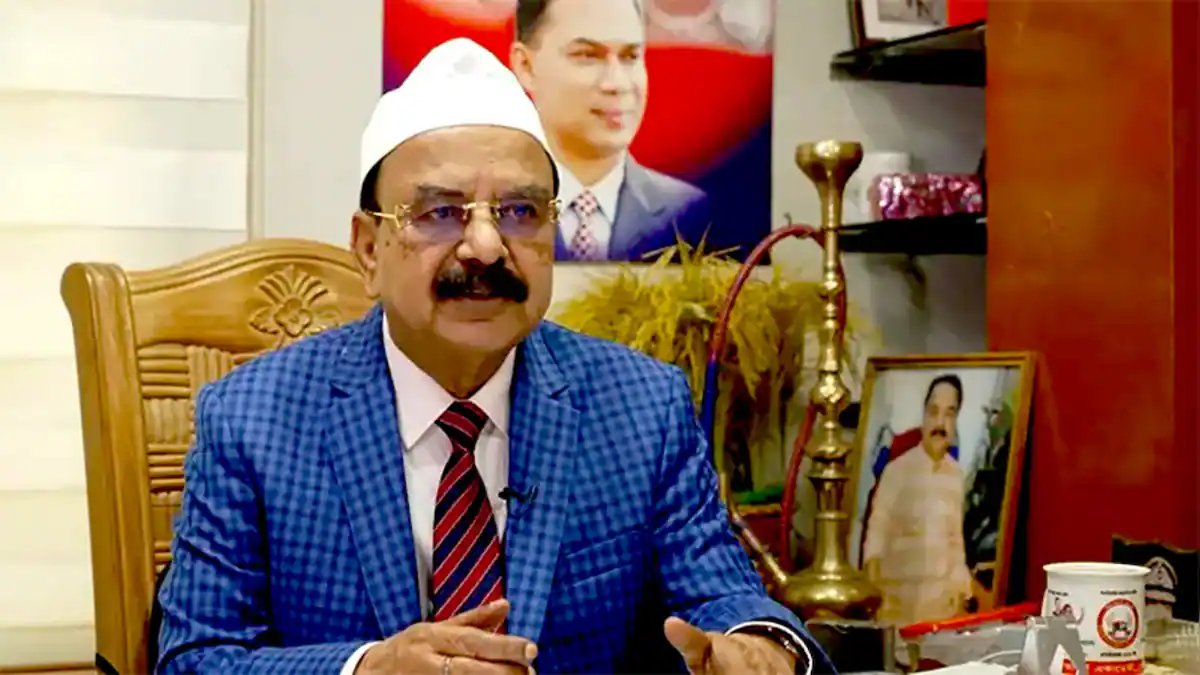
As BNP swept the February 12 elections, senior leader Gayeshwar Chandra Roy won Dhaka-3, becoming the only Hindu MP in the new Parliament.
As the Bangladesh Nationalist Party (BNP) led by Tarique Rahman swept the February 12 general elections, one result drew particular attention.
Senior BNP leader Gayeshwar Chandra Roy won the Dhaka-3 constituency, becoming the only Hindu candidate elected to the new parliament.
A decisive win in Dhaka
According to state-run Bangladesh Sangbad Sangstha (BSS) and local media reports, Roy defeated Jamaat-e-Islami nominee Md Shahinur Islam by a comfortable margin.
In Khulna-1, Jamaat’s Hindu candidate Krishna Nandi was defeated by BNP’s Amir Ejaz Khan, further narrowing minority representation in the House. Roy’s victory also contributed to the BNP’s clean sweep of all five parliamentary seats in Dhaka district.
Who is Gayeshwar Chandra Roy?
Born on November 1, 1951, in Keraniganj, Dhaka, Roy is a senior member of the BNP’s Standing Committee, the party’s highest policymaking body. He previously served as State Minister for Environment & Forests and State Minister for Fisheries & Livestock in BNP-led governments during the 1990s. Over the years, he has remained one of the most prominent Hindu leaders in Bangladesh’s mainstream political landscape.
Bangladesh: Rising attacks on minority
Roy’s win comes at a time of heightened concern over attacks on members of the Hindu minority community, including the lynching of garment worker Dipu Chandra Das. The incidents strained relations between India and Bangladesh, with New Delhi describing the violence as a matter of grave concern and calling for swift action against those responsible.
Ties tested after Hasina’s ouster
Bilateral ties had already been under pressure after former prime minister Sheikh Hasina was removed from office during the 2024 student-led uprising and fled to India. In the run-up to the elections, the BNP and other parties demanded her extradition following her conviction over the crackdown on protesters. In January 2026, Hasina resurfaced with an address from Delhi, criticising the interim administration led by Muhammad Yunus.
End of Article