Bangladesh’s 13th national parliamentary vote has produced just one Hindu representative in the 300-member Jatiya Sangsad. Gayeshwar Chandra Roy of the BNP won the Dhaka-3 seat with 99,163 votes, defeating Jamaat-e-Islami contender Md Shahinur Islam.
Amid the Bangladesh Nationalist Party’s broad electoral success in the 13th parliamentary polls, minority representation has shrunk to a single Hindu lawmaker in the new parliament. While BNP appears poised to form the next government, six of the seven Hindu candidates fielded by major parties were defeated, raising questions about inclusivity in the next political phase.
Roy’s win is the only success among six Hindu candidates fielded by BNP, while the lone Hindu nominee of Jamaat-e-Islami, Krishna Nandi, lost in Khulna-1 to BNP’s Amir Ejaz Khan, who received 1,21,352 votes against Nandi’s 70,346.
The outcome comes amid rising concerns about the safety of Bangladesh’s Hindu community, which has faced attacks in recent months following the killing of radical youth leader Sharif Osman Hadi in December 2025. India has repeatedly raised concerns over these attacks on minorities.
BNP dominance contrasts with limited minority victories
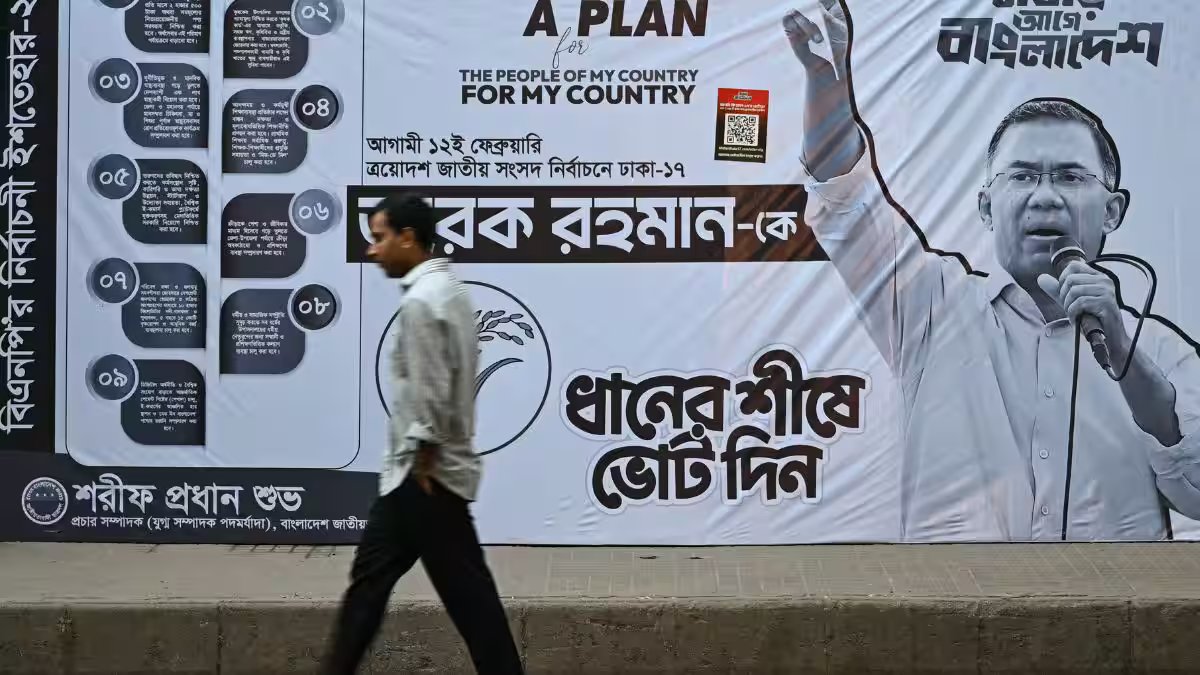
The BNP, led by Tarique Rahman appears on course to form the next government after nearly two decades out of power. While the party’s overall success is clear, the Hindu community continues to have very limited representation in parliament.
Political analysts pointed out that the results reflect both the BNP’s widespread appeal and the challenges minority candidates face in gaining parliamentary seats. “Only one Hindu candidate winning among seven suggests ongoing hurdles for minority participation in politics,” said a Dhaka-based analyst.
Jamaat-e-Islami’s poor performance among minority constituencies highlights its restricted voter base in areas with diverse populations. While it gained some support in conservative districts, it could not win any seats where minority voters form a substantial portion.
Elections signal BNP’s return and regional attention on minority rights
The 13th parliamentary elections will replace the interim administration led by Nobel laureate Muhammad Yunus, after the collapse of the Awami League government in August 2024. The BNP’s expected victory represents a major political shift, but observers note that minority representation and security remain key concerns.
Gayeshwar Chandra Roy’s win offers a rare voice for Hindus in the new parliament and both domestic and international observers are watching how the incoming government addresses minority rights. The results also have implications for Bangladesh-India relations, which have faced strains since the interim administration assumed office.
With BNP poised to restore political stability, questions remain about how effectively minority communities will be included in governance and decision-making under the new government.
End of Article