The US has expressed concern over China’s growing footprint in South Asia and plans to offer Bangladesh’s next government defence equipment from the US and its allies as alternatives to Chinese systems
The United States has expressed concern over China’s growing footprint in South Asia and plans to offer Bangladesh’s next government defence equipment from the US and its allies as alternatives to Chinese systems, according to a Reuters report, citing Washington’s ambassador to Dhaka.
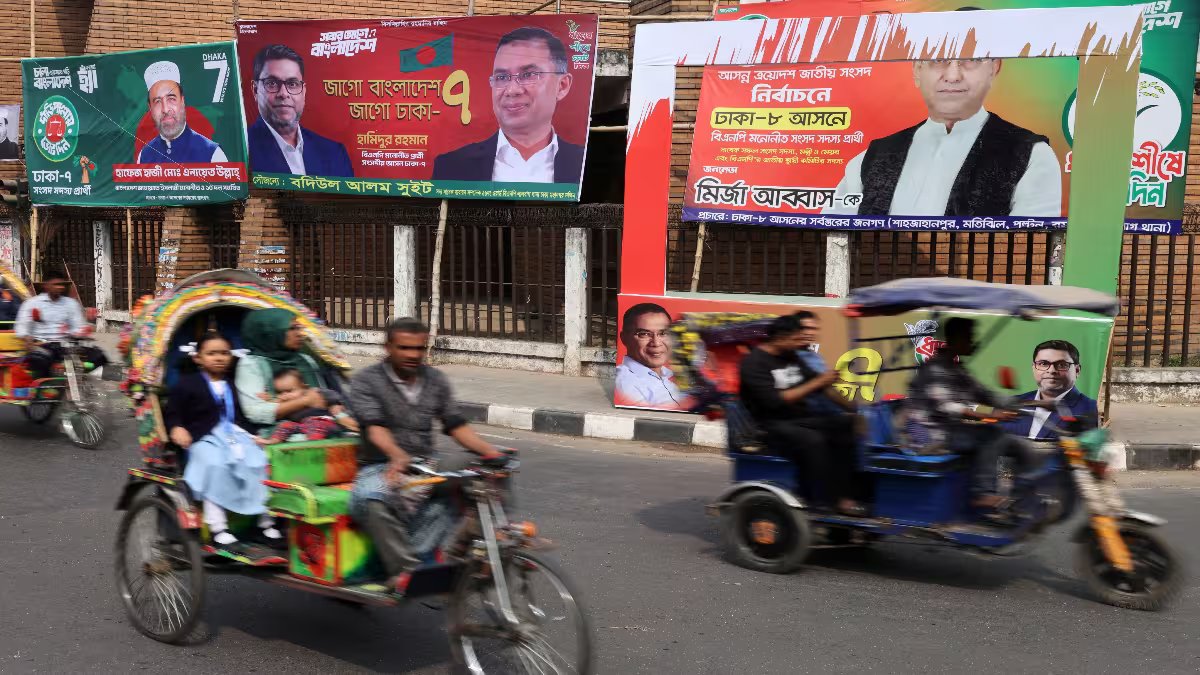
Bangladesh heads to the polls on Thursday in a general election following a Gen Z-led uprising that ousted India-aligned Prime Minister Sheikh Hasina in August 2024.
Hasina has since sought refuge in New Delhi, creating space for China to expand its influence in Bangladesh as India’s role has diminished.
China recently signed a defence deal with Dhaka to set up a drone manufacturing facility near the Indian border, a move that has raised concerns among foreign diplomats.
Bangladesh is also in discussions with Pakistan over the purchase of JF-17 Thunder fighter jets, a multi-role aircraft jointly developed by Pakistan and China.
“The United States is concerned about growing Chinese influence in South Asia and is committed to working closely with the Bangladeshi government to clearly communicate the risks of certain types of engagement with China,” Reuters quoted US Ambassador Brent T. Christensen as saying in an interview on Tuesday.
“The US offers a range of options to help Bangladesh meet its military capability needs, including US systems and those from allied partners, to provide alternatives to Chinese systems,” he said without offering further details.
Meanwhile, China’s foreign ministry said that, as comprehensive strategic partners, China and Bangladesh have worked together across political, economic and security spheres, delivering benefits to both nations.
“Our mutually beneficial and friendly cooperation is not directed against any third party, nor will we tolerate interference from any third party,” Reuters quoted the ministry as saying in a statement.
Christensen also said that President Donald Trump’s administration would “like to see a good relationship between Bangladesh and India to support stability in the region”.
Relations between New Delhi and Dhaka have deteriorated sharply since Hasina fled, disrupting visa services and straining cricket ties between the neighbouring countries.
‘Commercial diplomacy one of our top priority’
Christensen said several US firms are considering investments in Bangladesh but want the next government to send early and clear signals that it is “open for business”.
“Commercial diplomacy is one of our top priorities, and we look forward to working with the new government to build on progress made with the interim government, particularly in strengthening commercial, economic, and security ties,” he said.
While energy major Chevron has operated in Bangladesh for decades, not many other US companies are visible in the densely populated country of 175 million people, as high taxes and difficulties repatriating profits have created some hurdles. There are no Starbucks or McDonald’s outlets in Bangladesh.
The envoy said Washington would work with “whichever government is elected by the Bangladeshi people”.
The election pits two coalitions led by former allies — the Bangladesh Nationalist Party (BNP) and the Islamist Jamaat-e-Islami — with opinion polls indicating an edge for the BNP.
Aid for Rohingya refugees
On the 1.2 million Rohingya refugees hosted by Bangladesh, he said the United States remains the largest donor to humanitarian efforts.
“The US remains the largest contributor to the Rohingya refugee response and continues robust health programming in Bangladesh,” he said, referring to a recent $2 billion global funding framework signed with the United Nations to improve aid delivery, including in Bangladesh.
He called on other donors to contribute more.
“The US cannot sustain the bulk of the effort alone. International partners need to increase their support for the Rohingya response,” he said.
In recent years, the UN refugee agency has struggled to secure adequate funding, resulting in ration cuts and the closure of some Rohingya schools.
With inputs from agencies
End of Article