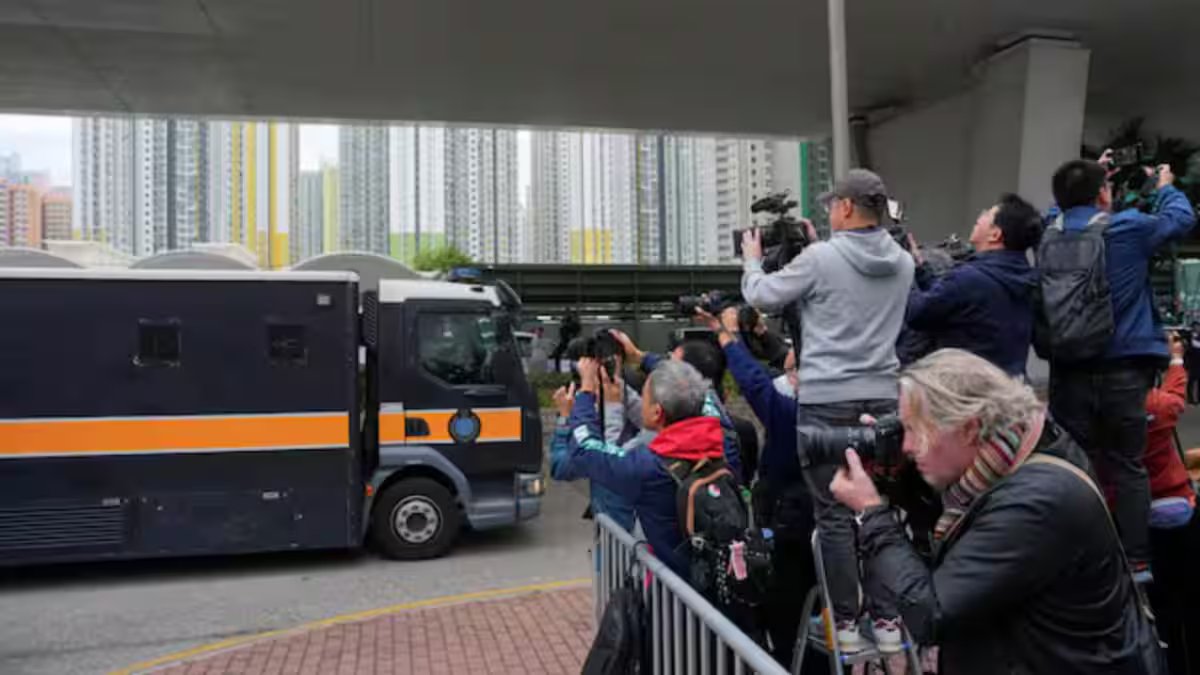
Hong Kong’s high profile trial of Jimmy Lai reaches sentencing on February 9, pitting the media veteran’s convictions under Beijing’s security law against sharp rebukes from Britain and the United States over judicial fairness.
Hong Kong’s courts will deliver their verdict on media figure Jimmy Lai on February 9, capping a trial under intense global scrutiny over the city’s national security measures. The 78 year old, once head of the closed Apple Daily outlet, faces severe penalties after convictions tied to alleged plots against Beijing’s authority. Western powers decry the case as a clampdown on free speech, while local leaders defend it as essential justice.
Trial background
Jimmy Lai established Apple Daily as a vocal advocate for greater freedoms, but authorities shut it down amid a crackdown sparked by 2019 unrest. Prosecutors claimed he directed staff from April 2019 to June 2021 to churn out material deemed to incite disorder. A separate count covered July 2020 to June 2021, accusing him of scheming with overseas contacts to provoke sanctions and pressure on Hong Kong and mainland China. Co defendants included activist Andy Li and aide Chan Tsz wah, with evidence drawn from articles, meetings, and communications.
Charges and verdict
In December, Lai lost on two key accusations: collusion with external powers and stirring sedition through print. He entered not guilty pleas throughout the 156 day hearing that opened in December 2023. The charges invoke Beijing’s 2020 security statute, imposed after street protests rocked the territory. Penalties could stretch to life terms, marking one of the starkest tests of that law against prominent critics.
Court stance
Hong Kong’s Chief Justice Andrew Cheung rebuffed overseas pleas for Lai’s release, labelling them assaults on judicial integrity. He argued such interventions dodge proper channels and erode foundational principles. Officials maintain the process upholds due standards, countering claims of bias from abroad.
Global reaction
Britain and the United States label the proceedings a tool to silence dissent, urging Lai’s freedom without delay. Prime Minister Keir Starmer raised the matter with China’s Xi Jinping on a Beijing visit, calling it frank but measured dialogue. Lai’s supporters frame him as a symbol of eroding autonomy in the financial hub, once promised a separate system until 2047. Havana and Washington dismiss these views, insisting fair play prevailed.
Path ahead
Sentencing looms as a flashpoint, with Lai already detained over three years. The outcome could sharpen divides, testing Hong Kong’s global standing and its balancing act between commerce and control. Businesses watch closely, wary of fallout on the city’s appeal as a safe haven. For Lai, the ruling caps decades of defiance, rooted in his shift from clothing magnate to rights champion after fleeing China in 1960.
End of Article