According to a CNBC TV18 monetary policy poll, about 90% of respondents expect the Monetary Policy Committee (
MPC) to keep rates unchanged in the February 6, 2026, policy. Only a small number expect a 25 basis points (bps) rate cut.
Earlier expectations of a cut were reduced further after the recent India-US tariff trade deal, which is seen as lowering pressure on the RBI to provide short-term stimulus.
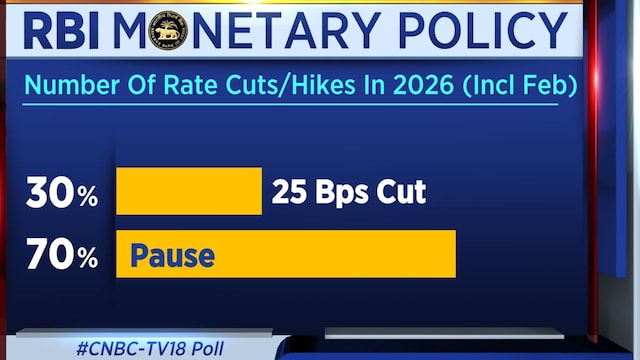
Looking ahead, about 70% of respondents expect the RBI to keep rates unchanged through calendar year 2026. Only a limited group expects even one more rate cut, while no respondents expect rate hikes at this stage.
Also Read | RBI likely to stay on hold in February as trade deal improves macro comfort
Market focus is shifting toward liquidity measures. Despite high open market operations (OMO) this year, bond yields have remained elevated. Market participants expect the RBI to support liquidity through tools such as additional OMO purchases, longer-term variable rate repos (VRR), Operation Twist, or a possible cash reserve ratio (CRR) cut. These measures are expected to help reduce yields and ease funding conditions.
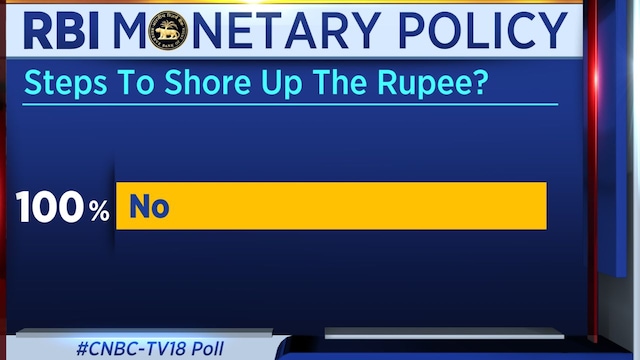
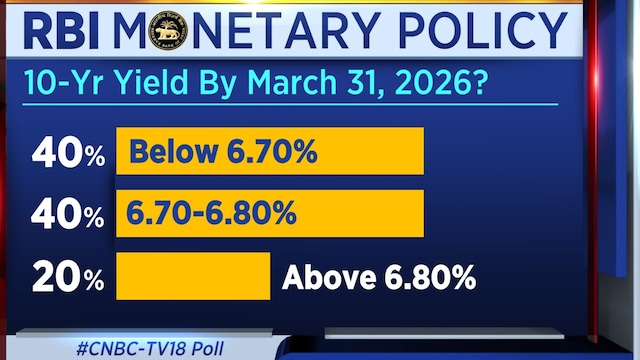
On currency policy, markets expect the RBI to continue its current approach of avoiding to defend any specific rupee level. Poll participants expect the 10-year government bond yield to settle near 6.7–6.8% by March.
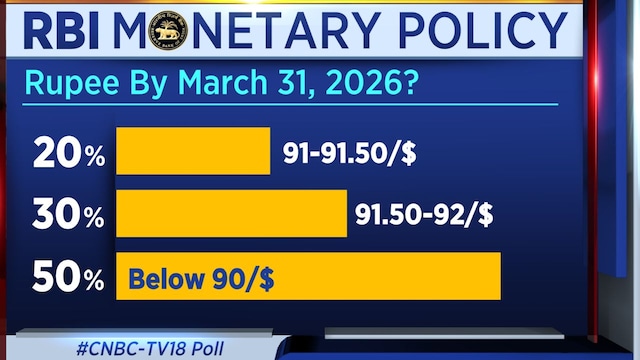
Market sentiment after the India-US tariff trade deal is expected to support the rupee, with estimates placing it below 90 against the US dollar.
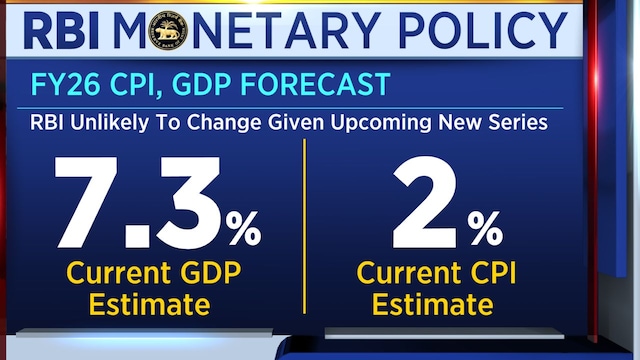
On macro projections, major changes are not expected as new consumer price index (CPI) and gross domestic product (GDP) data series are expected soon.
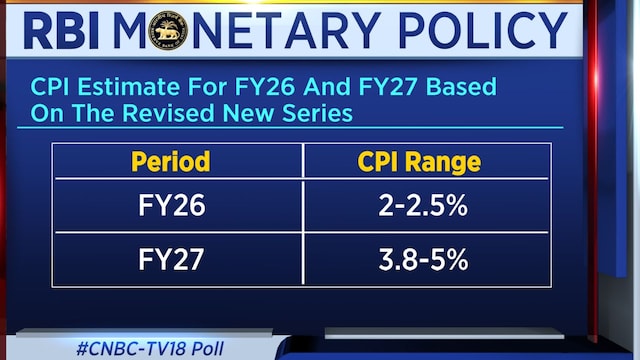
Economists expect FY26 inflation in the range of about 2–2.5%, with FY27 inflation expected between 3.8% and 5%.
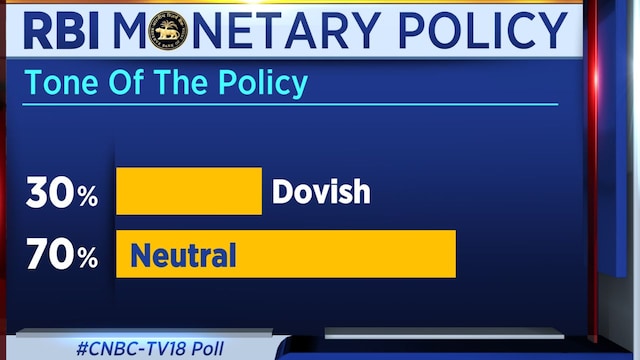
Overall, the February 2026 policy is expected to signal a neutral stance, with the RBI focusing on liquidity management while monitoring inflation, growth, and global developments.
Catch all the latest updates from the stock market here