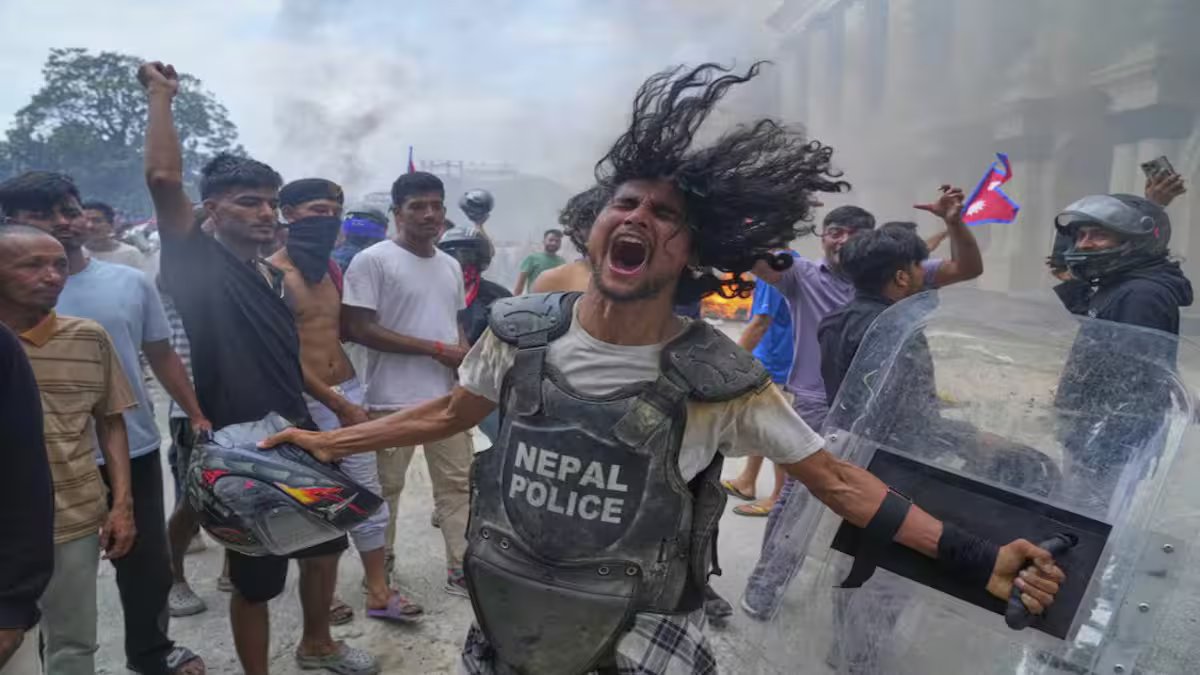
Nepal has withdrawn its controversial Social Media Bill 2025 after widespread criticism and youth‑led protests against internet controls, a move seen as responding to demands for digital freedom and political accountability
The government of Nepal announced on Tuesday that it has withdrawn the much‑criticised Social Media Bill 2025 from Parliament, bringing an end to a controversial proposal that had sparked sharp criticism and mass protests last year.
The bill, which was introduced under the now‑ousted government of former prime minister
K P Sharma Oli, had drawn widespread opposition from citizens and rights groups alike for its perceived attempt to exert tighter control over online platforms and restrict digital freedom. Its withdrawal follows a Cabinet decision, Home Minister and government spokesperson Om Prakash Aryal told reporters.
In a brief statement, Aryal said, “The government has decided to withdraw the Social Media Bill‑2025 from the federal parliament.”
The bill was first registered in the National Assembly on January 28, 2025, by then‑Communications and Information Minister Prithvi Subba Gurung. It aimed to give the government broad powers to regulate social media sites. However, it quickly drew criticism from digital rights advocates, journalists and ordinary citizens concerned it could curb freedom of speech online.
Gen Z protests and political fallout
The controversy around the bill reignited memories of last year’s
youth‑led “Gen Z” protests, which erupted in early September 2025 after the Oli government blocked access to 26 social media platforms, including major services such as Facebook, Instagram, WhatsApp, YouTube and X, for failing to register with authorities. The move triggered widespread protests, particularly among younger Nepalis, who viewed it as an attack on free expression and digital connectivity.
Those protests not only pushed back against the social media restrictions but also tapped into broader frustrations over corruption and governance, eventually contributing to political instability that led to the resignation of Prime Minister Oli.
The Gen Z movement in Nepal became emblematic of a growing global wave of youth activism challenging government overreach, particularly where digital rights are perceived to be at stake.
End of Article