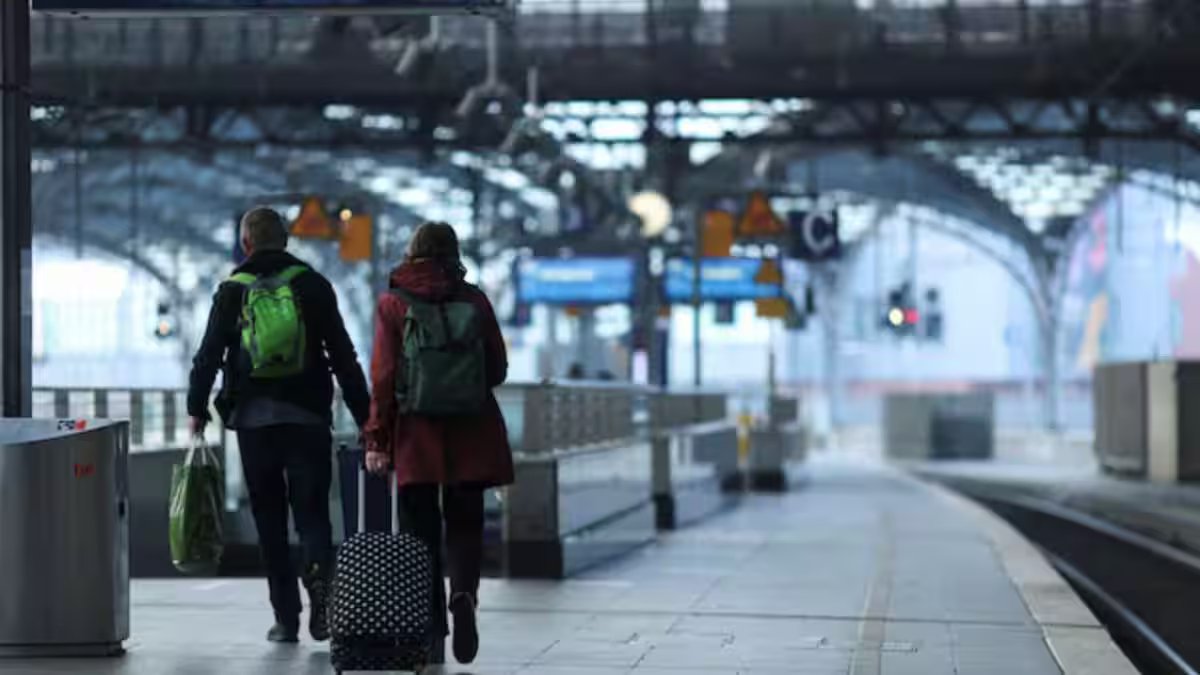
Germany’s Verdi union has called nearly 100,000 public transport workers to strike nationwide over demands for better pay, shorter hours and improved conditions, threatening to halt bus and rail services across major cities.
Germany faces widespread disruption to bus and commuter rail services as public transport workers prepare for strike action across much of the country. The powerful Verdi trade union has called nearly 100,000 employees to walk out in a coordinated protest against local and state employers over pay and working conditions. Union leaders warn that services in affected regions will likely grind to a complete halt.
Verdi demands better work conditions
Verdi, representing workers across Germany’s public transport sector, seeks significant improvements to employment terms. Key demands include shorter working hours, extended break periods and higher compensation for night shifts and weekend duties. In certain regions, negotiations also cover overall wage increases as collective bargaining agreements near expiry. The union views these changes as essential to address staff shortages and improve service quality for passengers.
Near nationwide action planned
The strike call covers local public transport systems operated by municipal and state authorities throughout Germany. Verdi officials state that operations will effectively cease in participating networks, forcing commuters to seek alternative travel arrangements. While exact timings remain subject to final coordination, the action represents one of the largest coordinated work stoppages in the public transport sector in recent years.
Background to escalating dispute
Tensions between Verdi and employers have built over months of failed negotiations. Local transport operators cite tight budgets and rising operational costs as barriers to meeting union demands. Verdi counters that inadequate pay and conditions drive staff turnover, ultimately harming service reliability. Previous rounds of talks collapsed without agreement, prompting the union to escalate through industrial action.
Impact on daily commuters
Millions of Germans relying on buses, trams and regional trains face major inconvenience from the planned stoppage. Urban centres and commuter corridors expect the heaviest disruption, with schoolchildren, office workers and essential service providers particularly affected. Verdi encourages passengers to check operator websites for updates and consider carpooling, cycling or remote working where feasible.
Broader implications for transport policy
The strike highlights ongoing challenges facing Germany’s public transport sector amid funding pressures and staffing crises. Successful resolution could set precedents for wage negotiations across other public services. Failure to reach agreement risks prolonged disruption and intensified political pressure on state governments to allocate additional resources for transport infrastructure and employee compensation.
End of Article