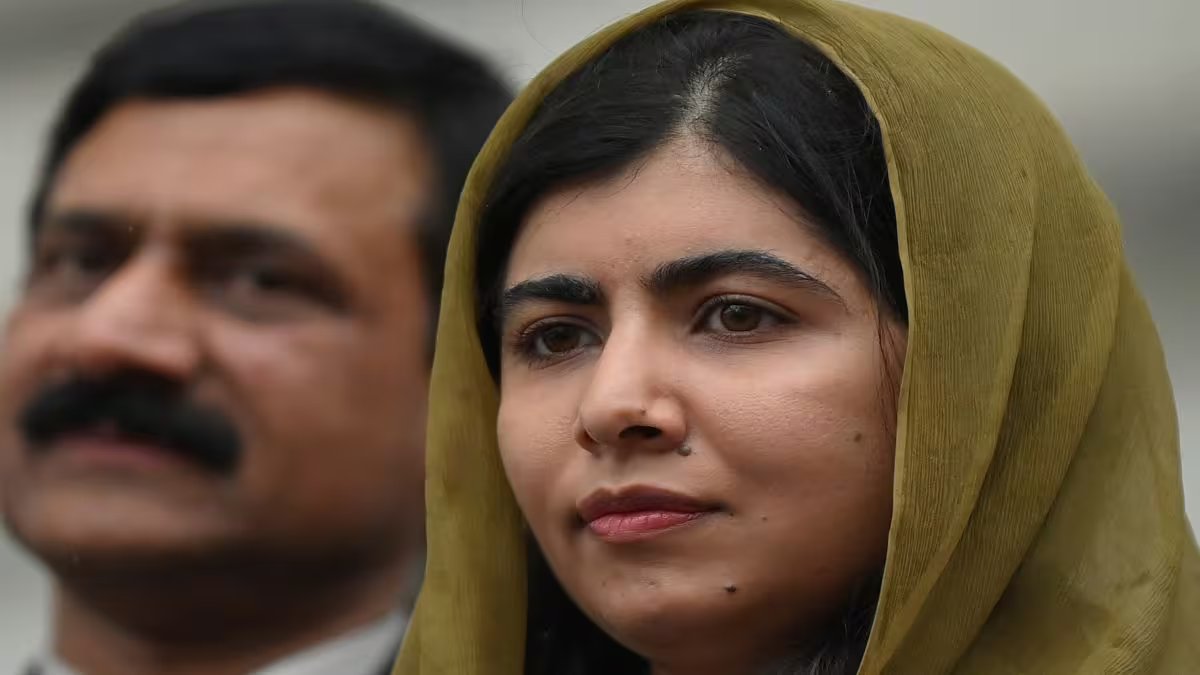
Nobel laureate Malala Yousafzai has voiced concern after two Pakistani human rights lawyers were sentenced to 17 years in prison over social media posts. Rights groups warn the verdict reflects shrinking space for free expression in the country
Nobel laureate
Malala Yousafzai spoke out this week about human rights and tolerance, tweeting that “Hatred and violence are our common enemies, not each other.” Her message comes after Pakistan delivered a harsh verdict against two human rights lawyers, Zainab Mazari and her husband Hadi Ali Chattha, over social media activity.
It is deeply disturbing to me that women and civil society activists in Pakistan can be arrested and sentenced to more than ten years in prison over social media posts. This is a violation of fundamental human rights and a clear departure from our Founders’ vision.
I stand with…
— Malala Yousafzai (@Malala) January 25, 2026
What’s the case?
Judge Afzal Majoka delivered the verdict a day after Zainab Mazari and her husband Hadi Ali Chattha were arrested in Islamabad, according to court records.
The couple appeared briefly via video link but boycotted the hearing, prompting the court to conclude the trial and issue its ruling. Family and friends condemned the decision, while the couple denied all the charges.
The verdict noted that Mazari had posted multiple tweets in recent years that “portrayed the agenda” of the banned Baloch separatist group and the Pakistani Taliban.
The case originated from a complaint filed in August 2025 with the National Cyber Crime Investigation Agency, which alleged that the couple used social media to defame the state and its security institutions. They were formally indicted in October and had repeatedly refused to appear in court.
In his ruling, the judge cited the complaint, stating that Mazari “consistently disseminated highly offensive, misleading and anti-state contents on social media”, with the “active connivance” of her husband.
The verdict added that Mazari’s “tweets are replete with false and misleading narratives against state institutions, constituting offences under the PECA” — the Prevention of Electronic Crimes Act passed last year to curb disinformation and hate speech.
The prosecution also accused Mazari of spreading a “narrative that aligned with hostile terrorist groups and proscribed organizations and individuals.”
Judge Majoka concluded, “The overall conduct of both accused unmistakably reflects a deliberate, wilful and persistent strategy aimed at derailing, delaying and obstructing the trial process. In short, the accused have undermined the dignity of the court, wilfully obstructed due process, and systematically sabotaged the administration of justice.”
Also read |
Malala Yousafzai opens up on flashbacks to Taliban shooting after smoking bong at Oxford
Human rights concerns
The sentencing has drawn criticism from rights groups. Amnesty International described it as part of a “sustained campaign of judicial harassment and intimidation by the Pakistani authorities” and urged the lawyers’ release. Observers say the case reflects a pattern of shrinking space for dissent in Pakistan, where journalists, activists, and lawyers face increasing legal pressure for expressing critical views.
Mazari and Chattha were known for representing political prisoners, journalists, and civil society figures, often putting them at odds with state institutions.
End of Article