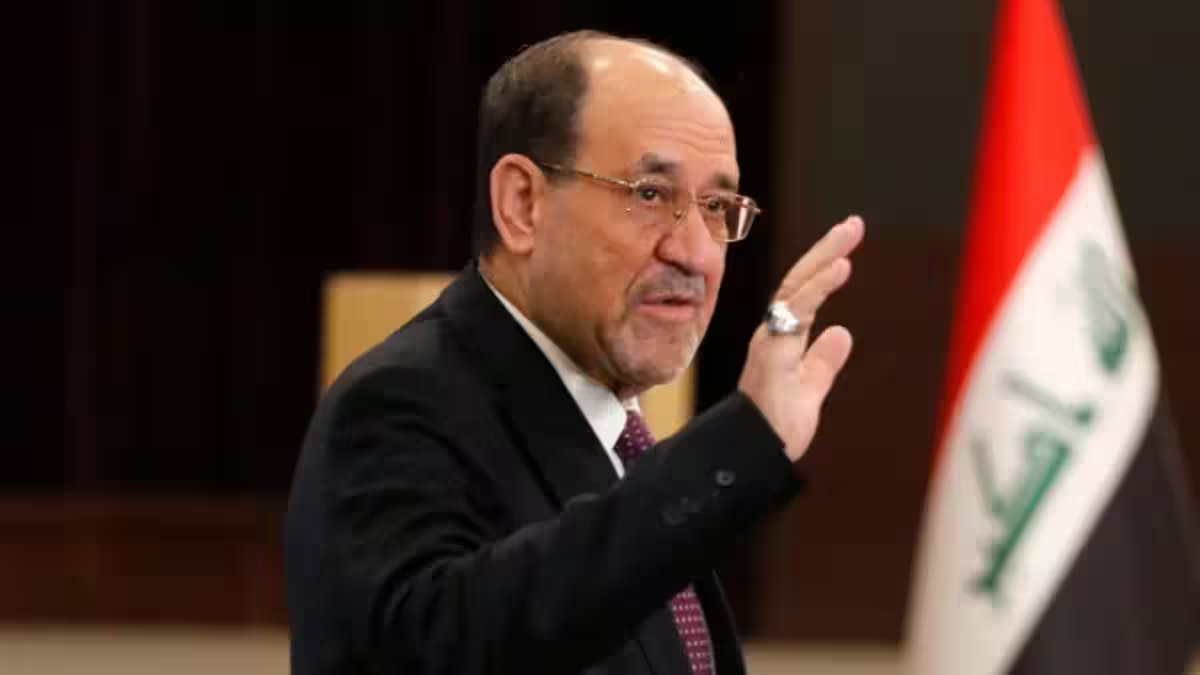
Iraq’s dominant Shi’ite alliance has nominated former prime minister Nouri al-Maliki as its candidate for the top job, reviving debate over his legacy and setting the stage for complex negotiations to form the country’s next government
In a major step toward forming a new government in
Baghdad, Iraq’s dominant bloc of Shi’ite political parties has nominated former prime minister Nouri al-Maliki as its pick to lead the country again. The announcement, made on Saturday by the Shi’ite Coordination Framework, sets the stage for what could be a tense and crucial round of negotiations over Iraq’s next leadership team.
The Framework, which holds a majority of seats in Iraq’s parliament, said its decision was rooted in Maliki’s long career in
Iraqi politics. It highlighted both his “political and administrative experience and his role in managing the state.”
Despite stepping down more than a decade ago, Maliki remains one of the most recognisable figures in Iraqi politics, and his return has sparked debate at home and abroad.
What comes next in Baghdad
The nomination doesn’t automatically make Maliki the next prime minister. That will only happen after a series of constitutional steps. First, Iraq’s parliament must elect a president within 30 days, as required by law. That president would then formally ask the largest parliamentary bloc to form a government.
Once named, the nominee has 15 days to put together a cabinet and then must win a confidence vote in parliament within the next 30 days.
Officials from the Coordination Framework framed the nomination as part of a broader effort to build a government that can handle Iraq’s pressing challenges, from service delivery to security, by working “with all national political forces.”
A familiar face in unfamiliar times
At 75 years old, Maliki is no newcomer to power. He first became prime minister in 2006, during a volatile period of sectarian strife following the 2003 US-led invasion. He stayed in office until 2014, when Islamic State forces overran large parts of the country.
His leadership then, and his ties since to Iran-aligned factions, have made him a divisive figure. Critics accuse him of deepening sectarian divides and failing to effectively counter
IS, while his supporters say he brings experience to a fractious political landscape.
End of Article