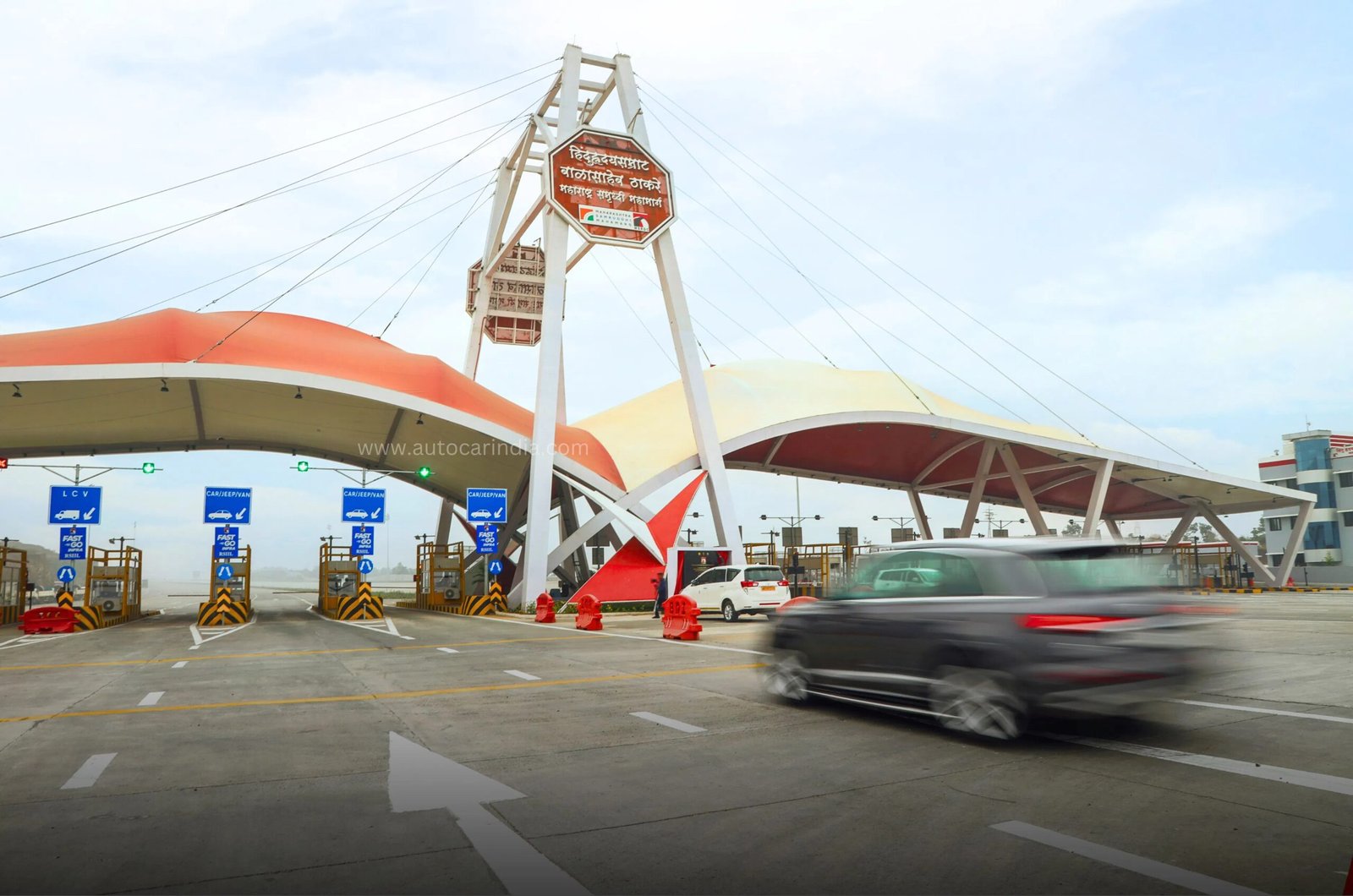
In an effort to prevent unpaid toll fees on national highways, the Government of India has recently updated the Central Motor Vehicles Rules for 2026. The revision aims to address this issue affecting all toll plazas in the country equipped with the Electronic Toll Collection (ETC) system, noncompliance with which will severely limit crucial vehicle-related services. Even vehicles registered with FASTag can, at times, clear toll plazas without the fee actually being collected, highlighting the need for such a revision in the Motor Vehicles Rules.
- The updates include inputs from stakeholders and the general public
- Multi-Lane Free Flow system will integrate the newly introduced amendments
Updated and new Motor Vehicles Rules
Issuance of No Objection Certificate and Certificate of Fitness is now subject to these rules.
The amendments that have been rolled out were first previewed in July 2025, with the final draft integrating inputs from stakeholders and the general public. The Indian Government’s newly-defined ‘unpaid user fee’ is directly linked to various vehicle-related services, accounting for personal and commercial vehicles. In case of pending toll fees, this provision allows the government to halt the issuance of a No Objection Certificate (NOC). This means that services such as vehicle ownership transfer or re-registration of a vehicle in a different state will not receive an NOC till these dues have been cleared.
The provision of the unpaid user fee will also prevent a vehicle from being granted a Certificate of Fitness, whether it be a new certificate or a renewal of an existing one. Furthermore, nonpayment of toll fees will hinder commercial operators from obtaining a National Permit for their vehicles, too. The government has also revised Form 28, which is the application form for an NOC. While the update allows relevant portions of this form to be issued online, the applicant has to ensure that they have no pending challans, taxes, or legal issues involving their vehicle.
Multi-Lane Free Flow (MLFF)
The updates introduced to the Motor Vehicles Rules for 2026 will also reflect once the Multi-Lane Free Flow (MLFF) system is implemented. The Multi-Lane Free Flow system is planned to be an entirely barrier-free way of passing tolls, using Automatic Number Plate Recognition (ANPR) with dedicated cameras, along with system-wide integration of artificial intelligence. With physical toll plazas on national highways being made redundant, this digital approach to nationwide tolling will allow the National Highways Authority of India (NHAI) to collect fees from users smoothly and efficiently.