
The poll captures how leading economists see growth, inflation, fiscal trends and the rupee shaping up in 2026 amid rising global uncertainty.
 1 / 7
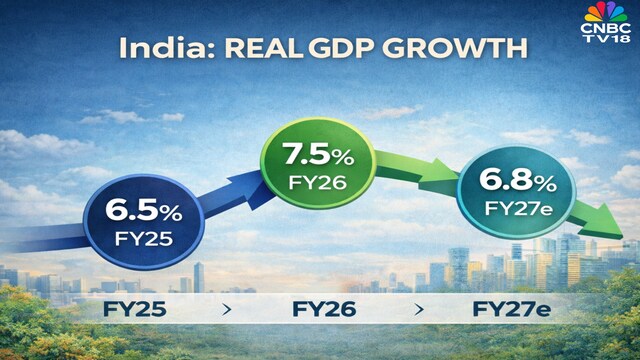
1 / 7India’s growth momentum is expected to improve in FY26, with real GDP seen rising to 7.5%. But beyond that, the outlook becomes less certain as global risks start to weigh. For FY27, economists are evenly split. Half see growth easing back to around 6.5%, while the rest believe India can still deliver 7% or more.
 2 / 7
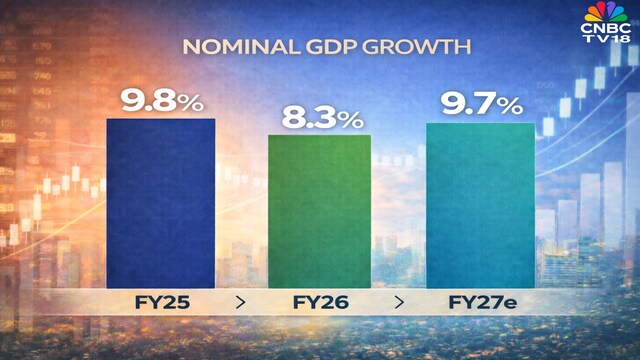
2 / 7Nominal growth is expected to cool in FY26 before rebounding in FY27, reflecting a mix of slower inflation and a gradual recovery in demand. There is no clear consensus on nominal growth either. Economists are divided between 9.5% and 10%, depending on how inflation and global conditions play out.
 3 / 7
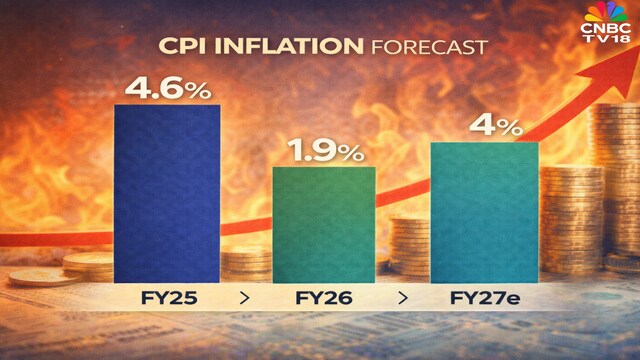
3 / 7FY26 is shaping up to be a low-inflation year, with CPI seen falling sharply due to favourable base effects. But this may prove temporary. By FY27, inflation is expected to move back toward the 4% zone. Economists are split evenly, with 50% expecting it to be around 3.8% and the other half pegging it at 4%.
 4 / 7
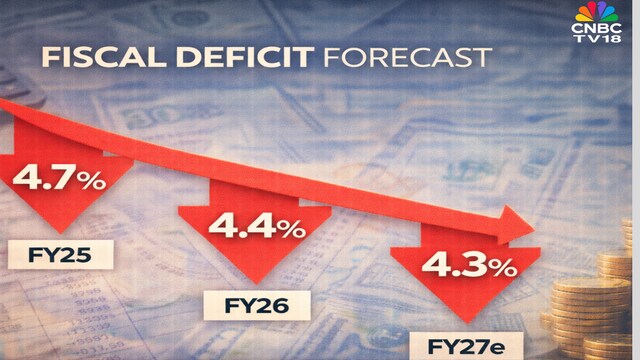
4 / 7Fiscal consolidation remains on track, with the deficit expected to narrow steadily through FY27, supporting macro stability.
 5 / 7
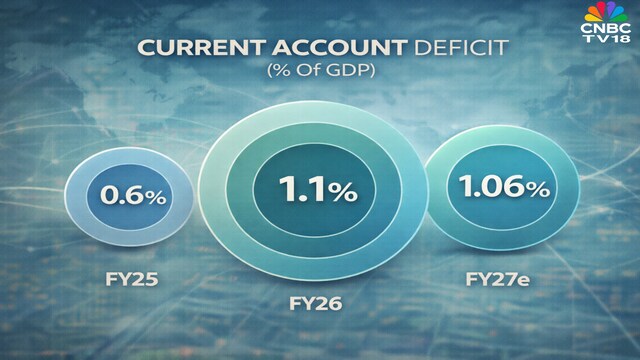
5 / 7The current account deficit, which shows how much the economy spends more than it earns from overseas trade, is seen staying manageable at just over 1% of gross domestic product in FY26 and FY27, even amid global uncertainty.
 6 / 7
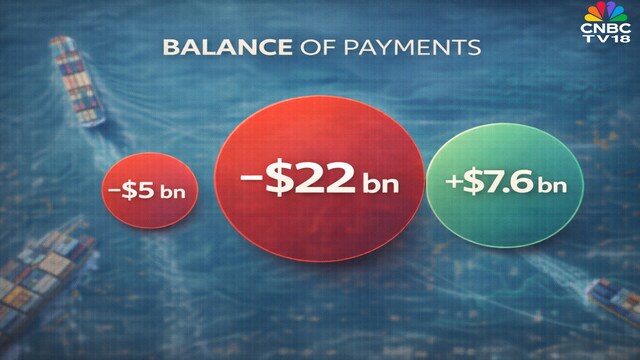
6 / 7The balance of payments, a snapshot of all foreign currency flows, is expected to swing back into surplus by FY27, supported by capital inflows and steady external financing..
 7 / 7
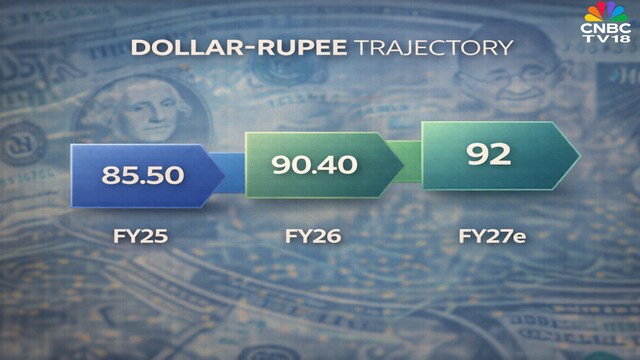
7 / 7The rupee is expected to weaken gradually over the next two years, moving toward 92 by FY27, rather than seeing any sharp adjustment.